Design the arrival before choosing the decoration
Travel to the house as a guest arriving after dark. Check that the address leads to the correct gate, a car can turn and the access process is obvious. Photograph decision points and test the instructions with someone unfamiliar with the property.
Explain whether a car is advisable, how groceries and meals work and which services require advance booking. Give practical location information without presenting journey times as fixed guarantees. Arrival planning often prevents problems before the stay begins.
Audit thermal comfort and moisture
Comfort in a stone house depends on the building envelope, ventilation, heating and advance preparation. Inspect little-used rooms, cupboards, bathrooms and stored linen. Record moisture problems and obtain an appropriate technical diagnosis instead of masking them.
Test the house under winter-use conditions: simultaneous hot-water demand, electrical load, lighting and bedroom warm-up time. The commercial description should match functioning facilities, including seasonal restrictions on the pool or outdoor areas.
Make advertised capacity work in practice
A home for eight needs eight usable indoor and outdoor dining places, enough tableware and a kitchen suited to the group. Consider lounge seating and bedroom privacy. Adding a bed does not automatically create a comfortable group experience.
Test internet in bedrooms and shared areas rather than only beside the router. Check reading lights, curtains, sockets and storage. Small functional improvements can remove friction while preserving the character that makes the quinta attractive.
Give the grounds an operating plan
Gardens, trees, irrigation and pools require their own calendar, including between reservations. Separate tasks that can happen during a stay from work that should be scheduled outside it. Name the person checking readiness before arrival and the process for reporting unexpected limitations.
Review wet-weather access, slippery surfaces, path lighting and private-area boundaries. Relevant technicians should assess equipment and safety; an editorial checklist does not replace that inspection.
Tell a story the house can deliver
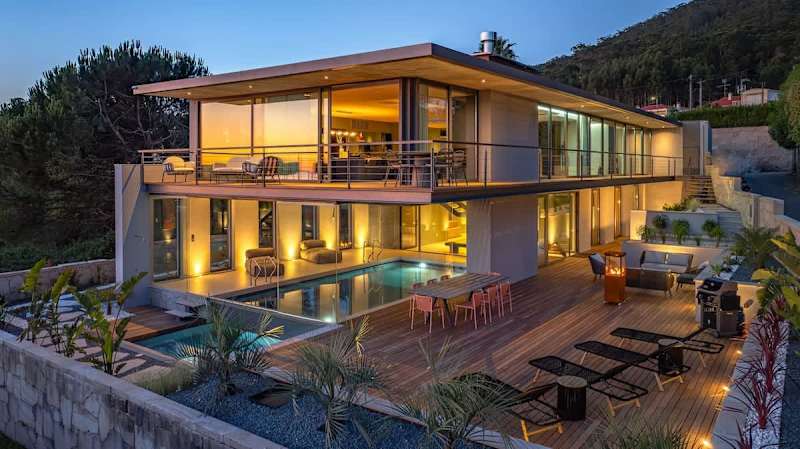
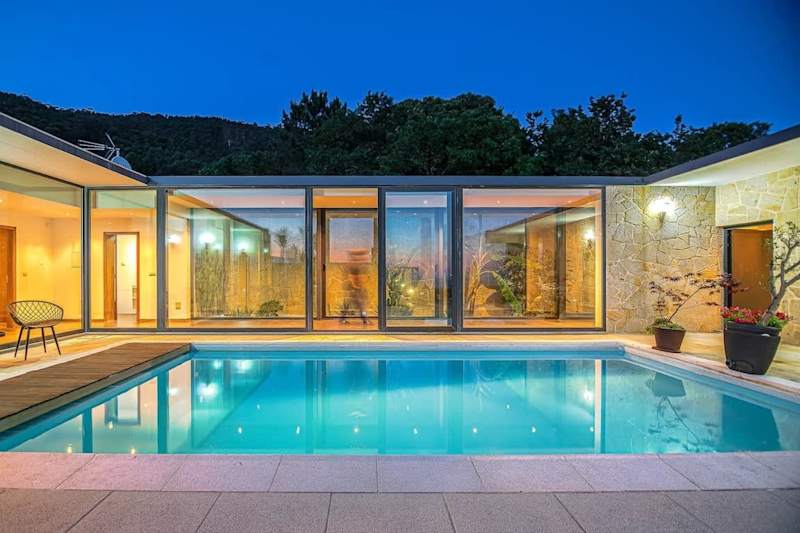
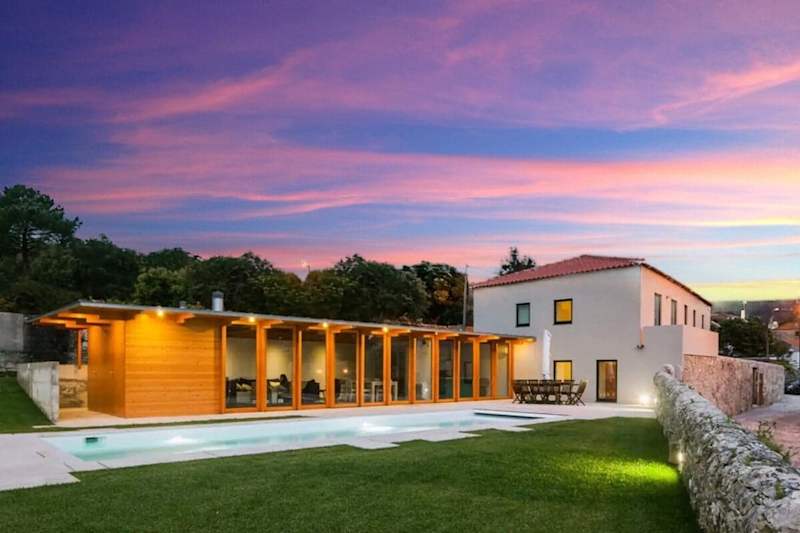
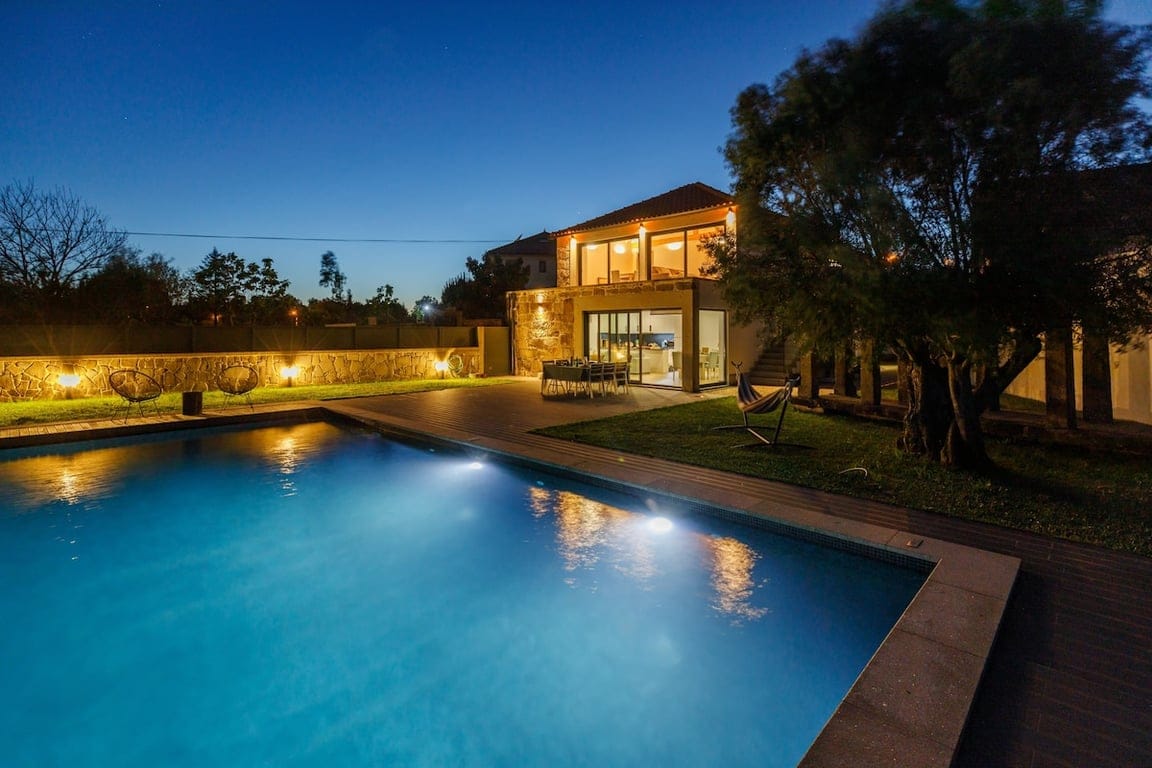
Photograph the rooms and facilities guests can actually use. Show the rural setting, room relationships and features needing attention, such as stairs or changes in level. Clear information helps attract stays compatible with the house.
Use verified local suggestions for beaches, walks, food and heritage. Explain where an activity depends on weather, opening hours or an outside provider. Never describe an external experience as included without an operational agreement.
Run a test stay before launch
Simulate arrival, a complete meal, simultaneous showers and departure. Give every issue an owner and resolution date before finalising photography, descriptions and inventory. A test should exercise the home, not merely inspect it while empty.
Confirm the intended use and applicable requirements with the municipality and responsible professionals. Bring plans, personal-use dates, photographs and an honest list of outstanding work to the first management assessment.
Your decision checklist
- Test the route and access after dark.
- Audit heating, hot water, moisture and internet.
- Check real capacity for the advertised group.
- Plan garden, pool and outdoor circulation.
- Complete a test stay before photography.