Zurück zum Journal
Reiseziele
Viana do Castelo: Warum diese Küstenstadt Nordportugals bestgehütete Adresse ist
30. März 20266 Min. Lesezeit
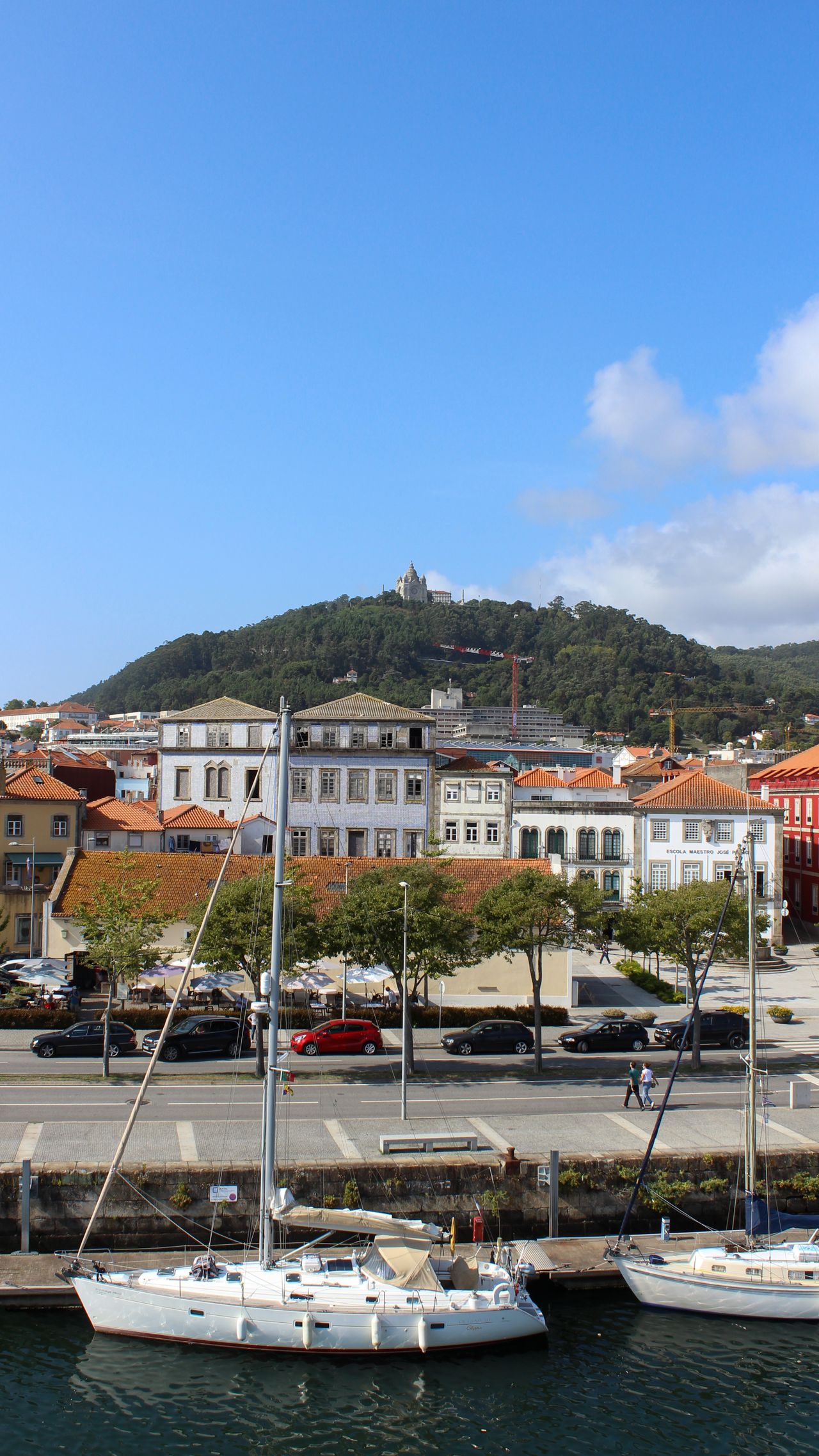
Viana do Castelo and Santa Luzia. Existing photograph from the Portugal Active editorial catalogue.
Auf einen Blick
Viana do Castelo: Atlantikstrände, Weltklasse-Wellen, historisches Zentrum und die besten Meeresfrüchte des Minho. Ihr Insider-Guide für die Küstenhauptstadt Nordportugals.
Es gibt Städte, die Menschen besuchen. Und es gibt Städte, die Menschen entdecken, in die sie sich verlieben und zu denen sie Jahr für Jahr stillschweigend zurückkehren, ohne es jemand anderem zu verraten. Viana do Castelo ist von der zweiten Sorte.
Dort gelegen, wo der Fluss Lima an Portugals Nordküste auf den Atlantik trifft, ist Viana eine Stadt, die alles hat, was ein Reisender sich wünschen könnte, und fast nichts von dem, was ein Tourist erwarten würde. Keine Ferienanlagen. Keine Kreuzfahrtschiff-Massen. Keine Instagram-Schlange an jeder Ecke. Nur ein wunderschön erhaltenes historisches Zentrum, einige der schönsten Strände Europas, Meeresfrüchte, um die andere Regionen sie beneiden, und eine Lebensqualität, die einer anderen Epoche zu entstammen scheint.
Dies ist die Stadt, die unser Team sein Zuhause nennt. Wir leben hier, essen hier, surfen hier und kennen sie so, wie nur Einheimische es können. Dieser Leitfaden ist das, was wir einem Freund erzählen würden.
Der Ausblick, der alles erklärt
Beginnen Sie ganz oben. Der Monte de Santa Luzia erhebt sich 228 Meter über der Stadt, und auf seinem Gipfel thront das Santuário de Santa Luzia. Nehmen Sie die Standseilbahn (ein charmanter, hundert Jahre alter Waggon, der in etwa sieben Minuten den Hang hinaufklettert) oder fahren Sie die kurvenreiche Straße hinauf.
Oben angekommen, drehen Sie sich um. Unter Ihnen breitet sich Vianas historisches Zentrum in einem ordentlichen Straßenraster aus. Der Lima windet sich durch grüne Überschwemmungsebenen, bevor er sich zu einem Ästuar weitet. Auf der anderen Seite des Wassers zieht sich der goldene Streifen der Praia do Cabedelo nach Süden, gesäumt von Pinienwäldern. Hinter allem der Atlantik.
Dieser eine Ausblick erklärt, warum Viana funktioniert. Stadt und Natur. Fluss und Ozean. Geschichte und Wildheit. Alles verdichtet an einem einzigen kleinen, gut zu Fuß erkundbaren Ort.
Die Basilika selbst ist einen Besuch wert. Das Innere ist mit Azulejo-Kacheln verkleidet, und die Kuppel bietet all jenen, die bereit sind, die Treppen zu erklimmen, einen noch höheren Aussichtspunkt. Doch der eigentliche Grund zu kommen ist dieser Ausblick.
Das Stadtzentrum: Renaissance-Straßen, Fischerhafen und Samstagvormittage
Vianas historisches Zentrum ist kompakt. Sie können es in fünfzehn Minuten von einem Ende zum anderen durchqueren, doch Sie werden sich mehr Zeit lassen wollen. Die Straßen folgen einem Raster, das im 15. und 16. Jahrhundert angelegt wurde, als Viana einer der wichtigsten Häfen Portugals war. Von hier stachen Schiffe nach Neufundland (Kabeljaufischerei), Westafrika und Brasilien in See. Die Kaufleute, die auf diesen Reisen ihr Vermögen machten, bauten sich passende Häuser: Granitfassaden, schmiedeeiserne Balkone und kunstvoll behauene Steinportale.
Der Praça da República ist das Herz. Das alte Rathaus (ein Gebäude aus dem 16. Jahrhundert) verankert die eine Seite. Cafés füllen den Platz vom Morgen bis in den späten Abend. An Samstagvormittagen erwacht der Markt hinter dem Platz mit frischen Erzeugnissen, Fisch, Blumen, Käse und jener besonderen Energie eines portugiesischen Marktes, auf dem jeder jeden kennt.
Die Uferpromenade wurde mit Bedacht gestaltet. Eine breite Promenade verläuft entlang des Lima und verbindet den Fischerhafen (wo Arbeitsboote noch immer neben Freizeitbooten festmachen) mit dem Kulturzentrum, das der Architekt Souto de Moura entworfen hat. Die Abende hier sind schlicht und vollkommen: ein Spaziergang am Fluss, ein Glas Alvarinho und ein Sonnenuntergang, der das Wasser golden färbt.
Die Strände: Wellen, Sand und Einsamkeit
Viana hat zwei Küstenlinien, und sie sind bemerkenswert unterschiedlich.
Praia do Cabedelo ist der Star. Ein langer, breiter Strand aus goldenem Sand, der am Südufer des Lima-Ästuars beginnt und sich über mehrere Kilometer erstreckt. Der Zugang von Viana erfolgt entweder über eine kurze Fahrt über die Brücke oder mit der Personenfähre vom Hafen aus (fünf Minuten und eines der schönsten Dinge daran, hier zu sein).
Cabedelo ist einer der besten Surfstrände Portugals. Die beständige Atlantikdünung erzeugt fast das ganze Jahr über hochwertige Wellen, und der Strand beherbergt mehrere Surfschulen. Doch es ist immer Platz. Selbst im August finden Sie einen Sandabschnitt, an dem im Umkreis von hundert Metern niemand ist. Der Pinienwald hinter den Dünen spendet Schatten und Schutz, und mehrere Strandrestaurants servieren gegrillten Fisch und kühles Bier mit Sand zwischen den Zehen.
Unsere Gäste im Cabedelo Beach Lodge und im Sunset Beach Lodge erreichen Cabedelo in weniger als fünf Minuten zu Fuß. Unsere Surf-Erlebnisse starten von diesem Strand.
Praia Norte liegt nördlich der Stadt, direkt unterhalb des Hangs von Santa Luzia. Dies ist ein dramatischerer Strand: rauere Wellen, Felsformationen und Klippen. Weniger geeignet für Familien mit kleinen Kindern, aber spektakulär für Spaziergänge und Fotografen. Im Winter können die Wellen hier beträchtliche Höhen erreichen und ziehen erfahrene Surfer aus ganz Europa an.
Zwischen Viana und Caminha (30 Minuten nördlich) gibt es Afife, Vila Praia de Âncora und Moledo. Jeder mit eigenem Charakter, jeder bemerkenswert wenig überlaufen. Moledo Front Beach bringt Sie direkt ans Wasser an einem der fotogensten Surfstrände der Küste.
Die Gastronomieszene: wo der Minho am besten speist
Vianas Esskultur ruht auf zwei Dingen: dem Atlantik und den Bauernhöfen dahinter. Jeden Morgen kommt frischer Fisch herein. Gemüse und Wein stammen aus dem fruchtbaren Minho-Tal. Das Ergebnis ist eine Küche, die schlicht, saisonal und zutiefst befriedigend ist.
Die Restaurantempfehlungen unseres Teams:
Tasca do Zé Manel. An der Uferpromenade, ohne Schild an der Front, ohne Reservierungen, ohne eine Speisekarte, auf die es ankommt. Kommen Sie vor Mittag, sonst müssen Sie warten. Der gegrillte Fisch des Tages (was auch immer an jenem Morgen gefangen wurde) mit Salzkartoffeln, Olivenöl und einem Krug Vinho Verde ist eines der besten Gerichte der Region. Falls Sardinen verfügbar sind, bestellen Sie sie, ohne nachzudenken.
O Marinheiro. Gehoben, ohne förmlich zu sein. Der Arroz de marisco (Meeresfrüchtereis) ist hier außergewöhnlich. Großzügige Portionen, intensive Aromen und eine Terrasse mit Flussblick. Reservieren Sie für das Abendessen im Voraus.
Camelo. Eine Institution in Viana. Etwas förmlicher, durchweg exzellent und der Ort, an den Einheimische zum Feiern gehen. Die Bacalhau-Gerichte und der frische Fisch sind die Höhepunkte.
Confeitaria Natário. Seit 1918 geöffnet. Morgendliche Pastéis de nata und Kaffee in einem gekachelten Interieur, das sich seit einem Jahrhundert kaum verändert hat. Ein unverzichtbarer Halt an jedem Samstag mit Markt.
Taberna do Valentim. Klein, ungezwungen und voller Einheimischer. Die Petiscos (portugiesische Tapas) sind hier hervorragend. Bestellen Sie mehrere und teilen Sie.
Für Gäste, die das Restaurant zu sich holen möchten, schickt unser Privatkoch-Erlebnis einen professionellen Koch mit Zutaten vom Morgenmarkt in Ihre Unterkunft. Die Menüs reichen von einem schlichten Abendessen mit gegrilltem Fisch für zwei bis zu einem mehrgängigen Degustationsmenü für zwanzig Personen.
Jenseits des Strandes: was man in Viana unternehmen kann
Das Museu do Traje (Trachtenmuseum). Viana hat eine reiche Tradition an Trachten und Goldfiligranschmuck. Das Museum beherbergt eine beeindruckende Sammlung und erklärt, warum Vianas traditionelle Tracht als die kunstvollste Portugals gilt. Die goldenen Filigranherzen (Corações de Viana) sind ein ikonisches portugiesisches Symbol, und Sie können handgefertigte Stücke bei örtlichen Kunsthandwerkern erwerben.
Die Gil Eannes. Ein ausgemustertes Hospitalschiff, das nun dauerhaft im Hafen vertäut und in ein Museum umgewandelt ist. Sie können das gesamte Schiff besichtigen, von der Brücke bis zum Operationssaal. Ein faszinierender Einblick in Portugals maritime Geschichte und die Kabeljau-Fangexpeditionen, die Viana über Jahrhunderte prägten.
Surfen. Beständige Wellen, mehrere Strände und Schulen für jedes Niveau. Cabedelo eignet sich für Anfänger und Fortgeschrittene. Praia Norte und Moledo fordern erfahrene Surfer heraus. Unsere Surfstunden bringen Sie mit einheimischen Lehrern zusammen.
Weinverkostung. Die Region Vinho Verde umgibt Viana. Erzeuger wie Quinta de Soalheiro und Anselmo Mendes liegen innerhalb einer Autostunde. Unser Concierge arrangiert private Verkostungen bei Erzeugern, die in Reiseführern kaum je auftauchen.
Radfahren. Die flachen Uferwege entlang des Lima sind ideal für gemütliches Radfahren. Ambitioniertere Fahrer können die Küstenroute nach Norden bis Caminha in Angriff nehmen oder in die Hügel hinter der Stadt hinaufsteigen. E-Bikes stehen für all jene bereit, die Aussichten ohne vertikale Qual wünschen.
Tagesausflüge von Viana aus
Vianas zentrale Lage an der Minho-Küste macht es zum idealen Ausgangspunkt, um die gesamte Region zu erkunden.
Ponte de Lima (20 Min.). Portugals älteste Stadt. Römische Brücke, Flussgärten, zweiwöchentlicher Markt. Mittagessen am Flussufer, dann laufen Sie es wieder ab. Unser kompletter Minho-Reiseführer behandelt Ponte de Lima ausführlich.
Caminha (30 Min.). Mittelalterliche Grenzstadt an der Mündung des Flusses Minho. Nehmen Sie die Fähre hinüber nach Spanien zum Mittagessen in Galicien. Kehren Sie zum Abendessen nach Portugal zurück. Ein zwangloser internationaler Tagesausflug.
Nationalpark Peneda-Gerês (50 Min.). Portugals einziger Nationalpark. Wasserfälle, natürliche Badebecken, Granitgipfel und wilde Garrano-Pferde. Die Wanderung zu den Wasserfällen von Tahiti ist gut zugänglich und spektakulär. Unsere Canyoning-Erlebnisse finden im Park statt.
Braga (40 Min.). Eine der geschichtsträchtigsten Städte Portugals, mit einer Kathedrale aus dem 11. Jahrhundert und dem monumentalen Wallfahrtsort Bom Jesus do Monte. Einen halben Tag wert.
Guimarães (50 Min.). Die Wiege Portugals. Mittelalterliche Burg, ein UNESCO-gelistetes historisches Zentrum und die Atmosphäre einer Universitätsstadt, die über den Tourismus hinaus lebt.
Valença do Minho (40 Min.). Eine befestigte Grenzstadt mit Blick auf Spanien. Spazieren Sie auf den Festungsmauern, stöbern Sie über den Markt und überqueren Sie dann die Brücke nach Tui in Galicien zum Abendessen.
Wo Sie übernachten: unsere Kollektion in und um Viana
Viana do Castelo ist unsere Heimatbasis. Wir betreiben in der Gegend über 30 Unterkünfte, jede mit hotelgerechtem Service durch unser hauseigenes Team verwaltet.
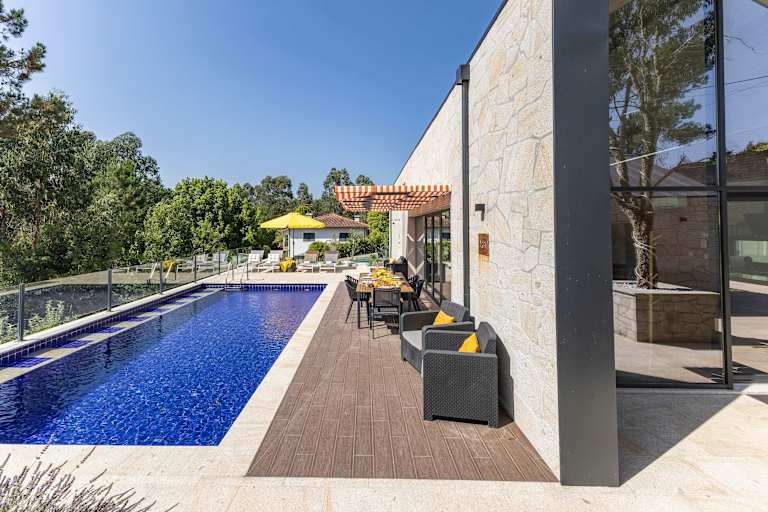
Für Strandliebhaber: Cabedelo Beach Lodge und Sunset Beach Lodge bringen Sie nur wenige Schritte vom Sand entfernt unter. Pool, Grill und direkter Strandzugang.
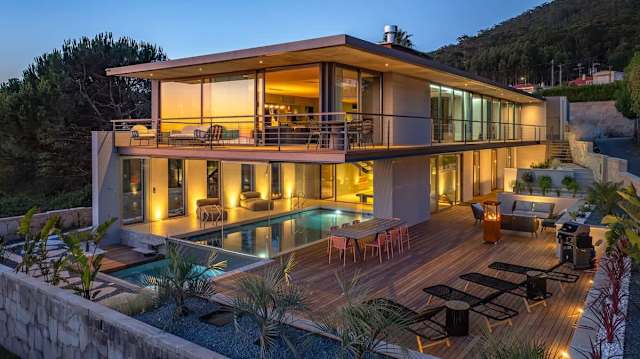
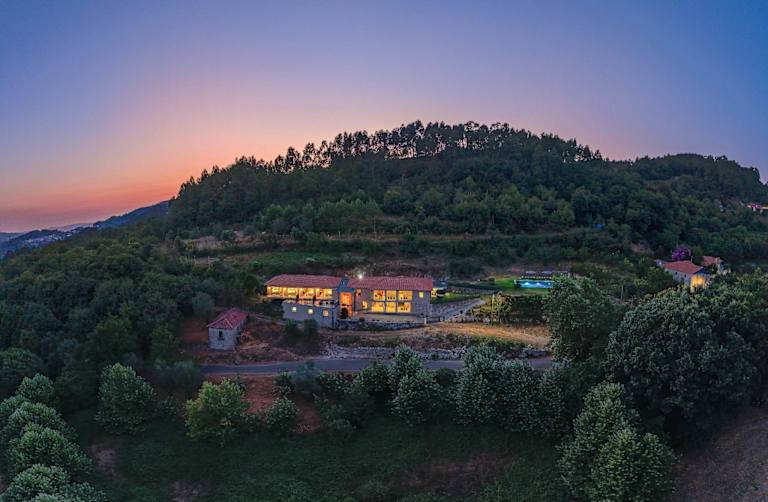
Für erhabene Ausblicke: Eben Lodge liegt am Hang oberhalb der Küste, mit weitem Atlantikblick und einem zeitgenössischen Design, das seinem Architekten Anerkennung einbrachte.
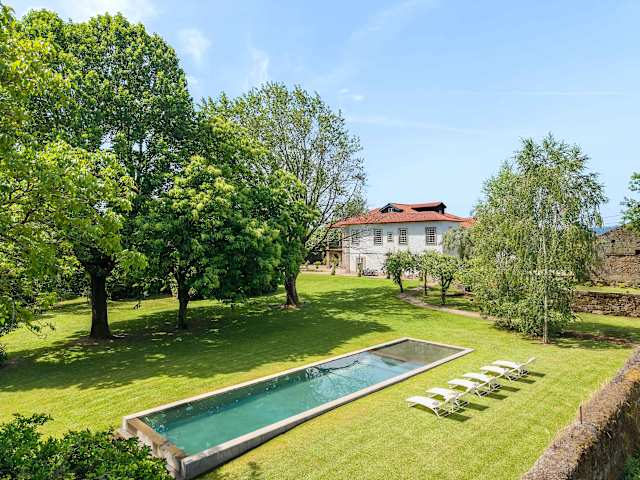
Für ländliche Ruhe: Oliveiras Farm ist ein umgebautes Bauernhaus, umgeben von Olivenhainen, mit einem Pool und dem Minho-Tal, das sich darunter ausbreitet.
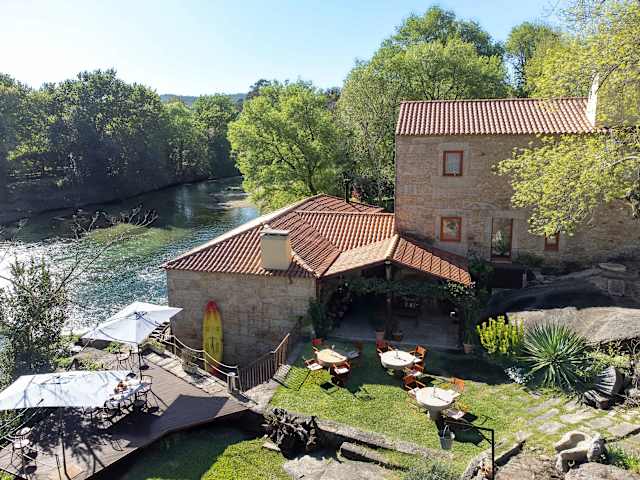
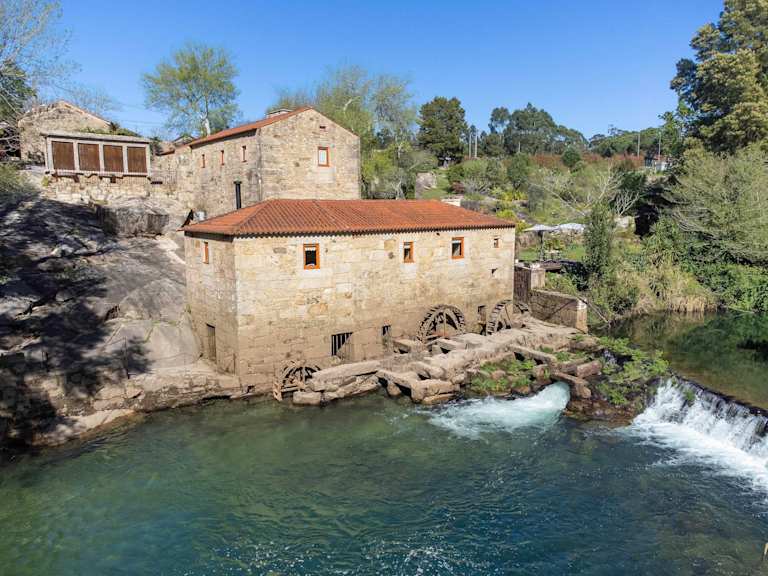
Für große Gruppen: Lima River Houses (16 Gäste) am Ufer des Lima. The Mill Retreat (27 Gäste) in einer umgebauten Wassermühle. Fountain Retreat (28 Gäste) für Veranstaltungen und Feiern.
Jede Unterkunft umfasst Concierge-Unterstützung, Zugang zu Privatkoch-, Spa- und Abenteuererlebnissen sowie ein einheimisches Team, das während Ihres gesamten Aufenthalts erreichbar ist. Durchstöbern Sie all unsere Unterkünfte in der Nähe von Viana do Castelo.
Anreise
Vom Flughafen Porto (OPO): 45 Minuten mit dem Auto über die Autobahn A28. Wir arrangieren private Transfers von Tür zu Tür.
Mit dem Zug: Der Regionalzug von Porto nach Viana braucht etwa 1 Stunde 35 Minuten und folgt der Küste. Wunderschöne Ausblicke, bequeme Sitze und unter zehn Euro. Die Züge verkehren mehrmals täglich.
Von Lissabon: Drei Stunden dreißig mit dem Auto (A1 nach Norden bis Porto, dann A28 nach Viana). Oder nehmen Sie den Schnellzug nach Porto (2 Std. 45) und steigen Sie in einen Regionalzug oder einen privaten Transfer um.
Aus Spanien (Vigo/Santiago): Unter 90 Minuten mit dem Auto von Vigo, etwa 2 Stunden von Santiago de Compostela. Der Grenzübergang verläuft nahtlos.
Der Charakter Vianas
Jede Stadt hat einen Charakter. Lissabon inszeniert sich. Porto arbeitet. Die Algarve entspannt. Viana tut etwas Selteneres: Es lebt gut, ohne ein Publikum zu brauchen.
Hier gibt es keinen Druck. Kein Gefühl, dass Ihnen anderswo etwas entgeht. Der Rhythmus der Stadt wird von den Gezeiten bestimmt, vom Marktkalender und von der Stunde, in der das Abendlicht den Fluss golden färbt. Die Menschen gehen langsam. Die Mahlzeiten dauern lange. Man kommt mit Fremden ins Gespräch.
Für Reisende, welche die naheliegenden portugiesischen Reiseziele bereits kennen und die etwas suchen, das erarbeitet statt vermarktet wirkt, liefert Viana. Nicht mit Spektakel, sondern mit Substanz. Die Art von Ort, an dem eine Woche sich genau richtig anfühlt und der letzte Morgen stets zu früh kommt.
P
Portugal Active
Journal
Entdecken Sie die Häuser hinter den Geschichten.
Bereit, Portugal zu erleben?
Jeder Artikel ist von echten Orten, echten Erlebnissen und echten Gästen inspiriert. Entdecken Sie unsere Kollektion und beginnen Sie, Ihren Aufenthalt zu planen.
In der Nähe übernachten
Häuser, die wir in dieser Region betreuen.