Ponte de Lima, Portugal
Portugal's greenest region, between the Atlantic and the Peneda-Gerês mountains
Home of Vinho Verde, the world's only green wine region
Comissão de Viticultura da Região dos Vinhos Verdes
A demarcated region since 1908, from the Minho river to the Douro
WHY THE MINHO
Most visitors to Portugal never come this far north. They stop at Porto, an hour south, or fly straight to the Algarve. The Minho is what they miss: a strip of country between the Minho river, which is the border with Spain, and the Douro, where the Atlantic meets granite mountains and everything in between is green. It rains here more than anywhere else in Portugal, and that is precisely the point — the vineyards climb every hillside, the rivers run all year, the forests of Peneda-Gerês are the country's only national park, and the beaches, long and cold and empty, belong to surfers and fishermen rather than sun loungers. This is also where Portugal was born: Guimarães was the first capital, Braga the oldest archdiocese, and the villages of the Lima and Cávado valleys have kept a way of life that the south lost decades ago. Portugal Active started here, in Viana do Castelo, and it is still where most of our homes are: manor houses in the Lima valley, beach lodges on the coast from Esposende to Caminha, and mountain retreats on the edge of the park. Everything is between twenty and sixty minutes from Porto airport, and nothing feels like it.
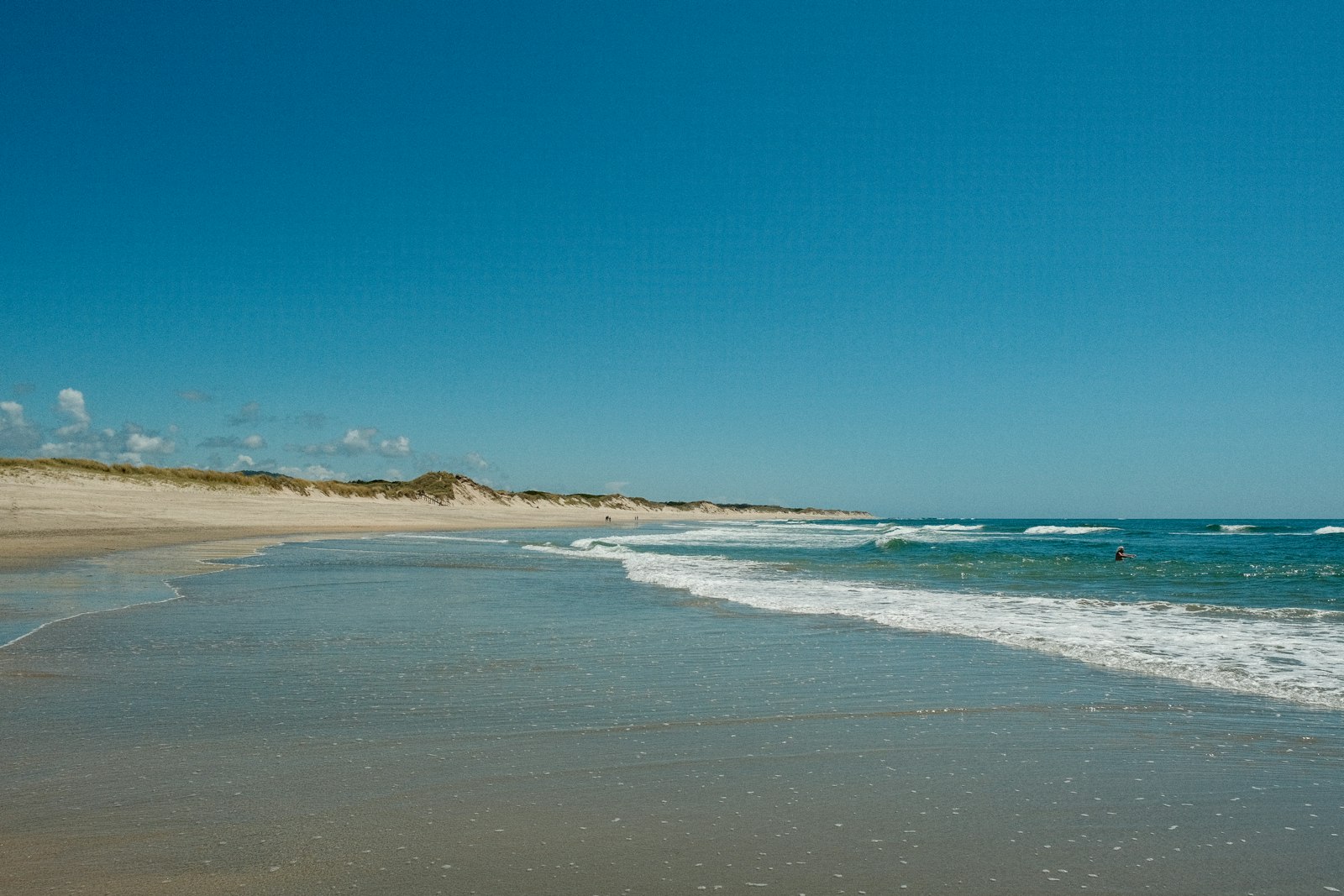
“The beaches of Viana do Castelo are some of the most beautiful in the country.”
Portugal Active was founded in Viana do Castelo and the Minho is still where most of our homes are — around fifty of them, from beach lodges with heated pools at Cabedelo and Carreço to restored manor houses in the Lima valley around Ponte de Lima, riverfront watermills at Caminha, and stone retreats on the edge of Peneda-Gerês. Every one is operated by the team that lives here.
Ponte de Lima, Portugal

Vieira do Minho, Portugal

Famalicão, Portugal

Ponte de Lima, Portugal

Viana do Castelo, Portugal

Vila Verde, Portugal

Viana do Castelo, Portugal
6 units available
Viana do Castelo, Portugal
Guimarães, Portugal

Caminha, Portugal
5 units available
Viana do Castelo, Portugal
3 units available

Viana do Castelo, Portugal

Arcos de Valdevez, Portugal
2 units available

Viana do Castelo, Portugal
Caminha, Portugal
Viana do Castelo, Portugal

Caminha, Portugal

Caminha, Portugal

Caminha, Portugal
Viana do Castelo, Portugal

Viana do Castelo, Portugal
Fafe, Portugal
Viana do Castelo, Portugal

Viana do Castelo, Portugal
Arcos de Valdevez, Portugal

Arcos de Valdevez, Portugal

Caminha, Portugal

Viana do Castelo, Portugal
Carreço, Portugal
The Minho rewards a base and a car. From any of our homes, the coast, the valleys and the mountains are each within an hour, so most guests spend a day on each. What follows is what our concierge team recommends to a first-time visitor with four or five days.
Viana do Castelo's town beach, across the river from the centre: three kilometres of sand backed by dunes and pines, a Blue Flag every year, and Portugal's most consistent conditions for surf, windsurf and kitesurf. Ten minutes from the historic centre by car or ferry.
Twenty-five minutes north of Viana. Moledo is the Minho's most fashionable beach, sheltered by the Ínsua fort on its island; Vila Praia de Âncora, next door, has a fishing harbour and a river beach for children. The Lisbon set has summered here for a century.
Thirty minutes south. The Litoral Norte natural park: dunes, pine forest, the Cávado estuary and the Apúlia windmills. Quieter than Viana, better for long walks and cycling on the boardwalks.
The basilica above Viana do Castelo and, according to National Geographic, one of the finest panoramas in the world. Take the funicular from the station or drive up; the view runs from the Lima estuary to the Galician hills.
Portugal's oldest town, chartered in 1125, on a bend of the Lima river with its medieval bridge, plane-tree avenue and the country's largest fortnightly market. Thirty minutes from Viana. The heart of Vinho Verde's Loureiro country and where several of our manor houses are.
The region's producers — Quinta do Ameal, Aphros, Quinta de Soalheiro further up at Melgaço, and dozens of family estates — open for tastings by appointment. Loureiro and Alvarinho are the grapes to know; the harvest runs from mid-September into October.
Fifty minutes from the coast. Portugal's oldest city and religious capital, with a baroque staircase sanctuary that is a UNESCO World Heritage Site and one of the country's finest sights at dusk.
One hour. The birthplace of Portugal, with a medieval centre listed by UNESCO and the castle where the first king was born. Combine it with Braga in a single day.
Portugal's only national park, ninety minutes from Viana. Granite peaks, oak forest, wild Garrano horses, the Arado and Tahiti waterfalls, Roman milestones on the old Geira road and the thermal spa town of Gerês. Hike in the morning, swim in a river pool in the afternoon.
Two mountain villages on the park's western edge, famous for their clusters of granite espigueiros — raised grain stores on stilts, some four hundred years old. Lindoso also has a castle and Portugal's largest group of espigueiros, seventy of them together.
The wild sierra between Viana and Caminha: a plateau of granite, heather and river pools, with a monastery at its heart and views over the Atlantic. Our Hike, Dive and Dine experience is here — a morning walk, a swim in a natural pool and lunch in a village restaurant.
Late May to June and September to early October: warm and mostly dry, vineyards at their greenest or in full harvest, and beaches without crowds. July and August for the ocean and the festivals. Winter is mild, green and wet — the best rates of the year.
March through May. Highs climb from around sixteen to twenty-two degrees and the rain eases but never quite stops. The Atlantic is still cold, fourteen to fifteen degrees, and best left to surfers. What spring offers is the Minho at its most spectacular: vineyards in early leaf, camellias in every garden, waterfalls in Gerês at full strength, and rates well below summer. Easter is the exception — the processions in Braga fill the region's hotels.
June through August. Warm and mostly dry, with highs of twenty-five to twenty-nine degrees and the coast cooled by the northerly nortada wind in the afternoons. The ocean stays cool, seventeen to nineteen degrees, swimmable for the hardy and ideal for surf and kitesurf. The river beaches of the Lima and the pools of Gerês are the local answer to the heat. August holds the region's largest festivals — Agonia in Viana in the third week — and is the one month to book months ahead.
September through November. September is the best month of the year: still summer-warm, the sea at its warmest, the crowds gone and the vindima — the grape harvest — filling the valleys from mid-month into October. Vineyards turn from green to copper. By late October the rain returns; November is wet, mild and quiet, with chestnut fairs and the first Alvarinho of the new vintage.
December through February. Mild by northern European standards, with highs around fourteen to fifteen degrees, but the wettest months of the year — the reason everything is so green. The Atlantic is cold and the surf serious. Viana's Christmas lights, wood fires in the manor houses, a heated pool under grey skies and the lowest rates of the year. Gerês occasionally sees snow on the high ground.
Best for first-time visitors
Late May to June, or September. Both give warm, mostly dry weather of twenty to twenty-six degrees, the vineyards at their greenest or at full harvest, empty beaches and easy restaurant tables. June is better for the ocean and long days; September is better for atmosphere — the harvest, the warm sea, the slower pace before the rain returns.
By air
Porto's Francisco Sá Carneiro airport is the arrival point for the whole region: forty-five minutes to Viana do Castelo, fifty to Ponte de Lima, thirty-five to Esposende and roughly an hour and a half to the Gerês villages, all by motorway. Vigo airport in Spanish Galicia is one hour from Caminha and Viana and worth considering for travellers connecting through Madrid. Lisbon is three and a half to four hours by motorway.
By train
Comboios de Portugal runs the Linha do Minho from Porto Campanhã to Viana do Castelo in about seventy-five minutes and on to Caminha and Valença; Braga and Guimarães have direct urban trains from Porto in around an hour. There is no railway into the Lima valley or the mountains — for those, a car or our transfers.
By car
The A28 motorway runs up the coast from Porto to Viana and Caminha and is toll-free through the Viana section; the A3 runs inland to Braga, Ponte de Lima and the Spanish border at Valença. Driving here is easy, distances short, and a car is the only practical way to combine coast, valley and mountains in one stay. Foreign-plated cars should register for the electronic tolls before arrival.
From Spain
From Galicia, the A3 crosses at Valença-Tui: one hour from Vigo to Viana, under two from Santiago de Compostela. Most of our Spanish guests drive; the Minho river is the border, and the towns on both banks — Valença and Tui, Monção and Salvaterra — are a day out in themselves.
Getting around
A car is essential outside the towns. Viana, Ponte de Lima, Braga and Guimarães are all compact and walkable once you arrive. The Ecovia do Lima cycle path follows the river for seventy kilometres from Viana into the valley — the best way to reach a quinta without driving. Our concierge arranges transfers, drivers and bicycles for every home.
Our concierge arranges private transfers from any airport or station to your villa.
The Minho eats better than anywhere in Portugal and knows it. This is the country of caldo verde, of rojões and sarrabulho, of lampreia in late winter and sardines in June, of bacalhau baked with broa and of the freshest Atlantic seafood served in tasquinhas owned by the fishermen's families. Wine is Vinho Verde — light, dry, slightly sparkling and, in its Alvarinho and Loureiro forms, among the best white wines in Europe. Below, the places our team sends guests.
Viana do Castelo. Owned by fish wholesalers; the freshest seafood on the coast, on the harbour. Reservation essential.
Ponte de Lima. No menu — the owner brings what is fresh that day. Book the terrace over the river.
Ponte de Lima. A Minho institution for over sixty years: rojões, sarrabulho and, in season, lamprey. Sunday lunch is a local ritual.
Vila Praia de Âncora. Grilled fish metres from the harbour it came from. Simple, loud and exactly right.
Braga. Salted cod in twenty preparations in a granite dining room in the old town.
Weekday mornings. The fish hall is one of the best in the country; buy for the house and let our chef cook it.
Salted cod baked with peppers, onions, potatoes and broa cornbread — the coast's signature plate.
Marinated pork with a rice cooked in pig's blood; the winter Sunday lunch of the Lima valley.
Light, dry and faintly sparkling. Alvarinho from Monção and Melgaço and Loureiro from the Lima valley are the two to seek out.
River lamprey, cooked in its own blood with rice, from January to April — a delicacy the Minho takes very seriously.
The Minho is where Portugal Active began as an adventure company, and most of our own experiences still happen here, run by our own guides and partners we work with every week.
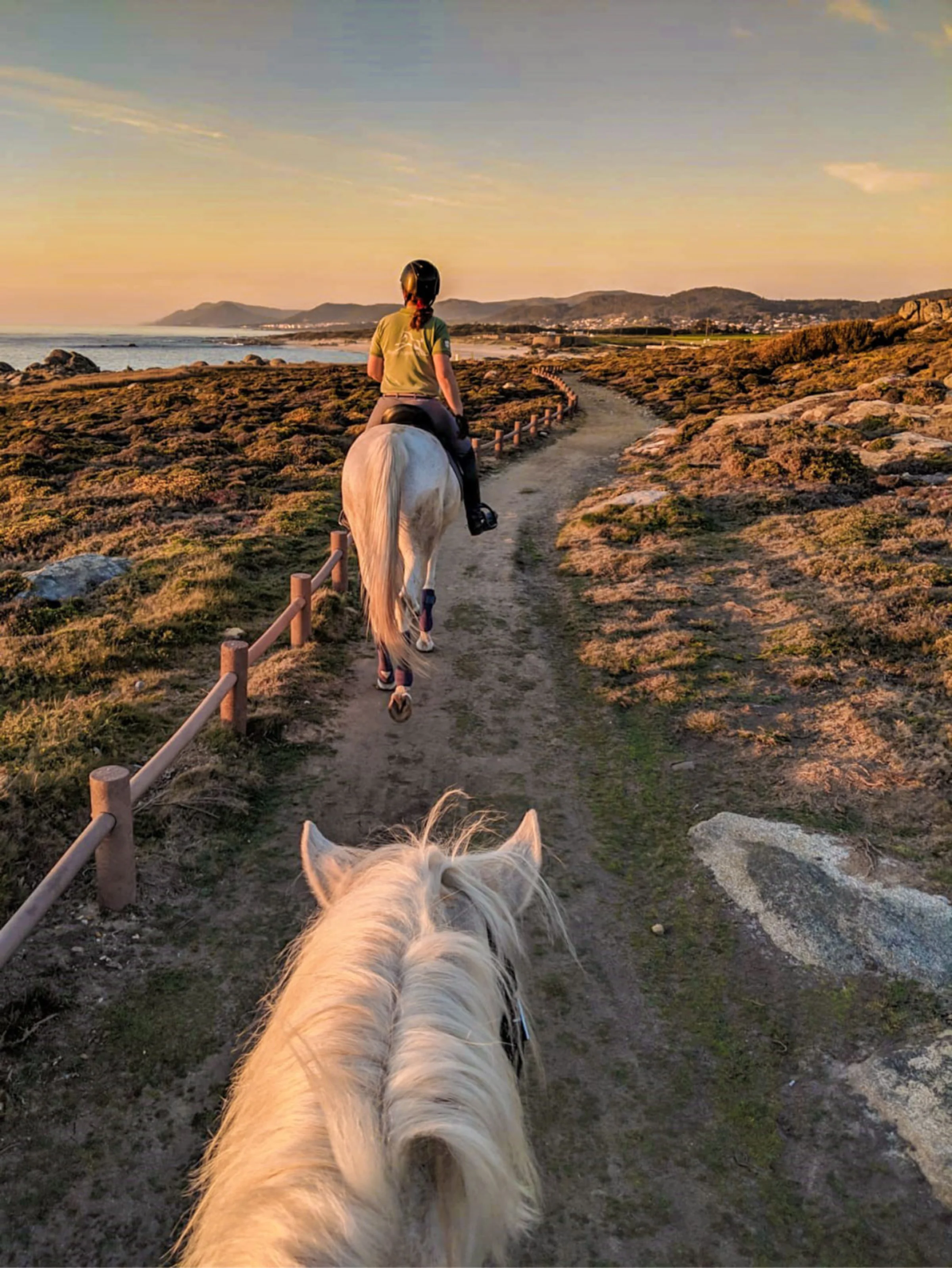
Beach, mountain and flower fields in a single morning from a stable ten minutes from the city.
Our concierge can arrange.
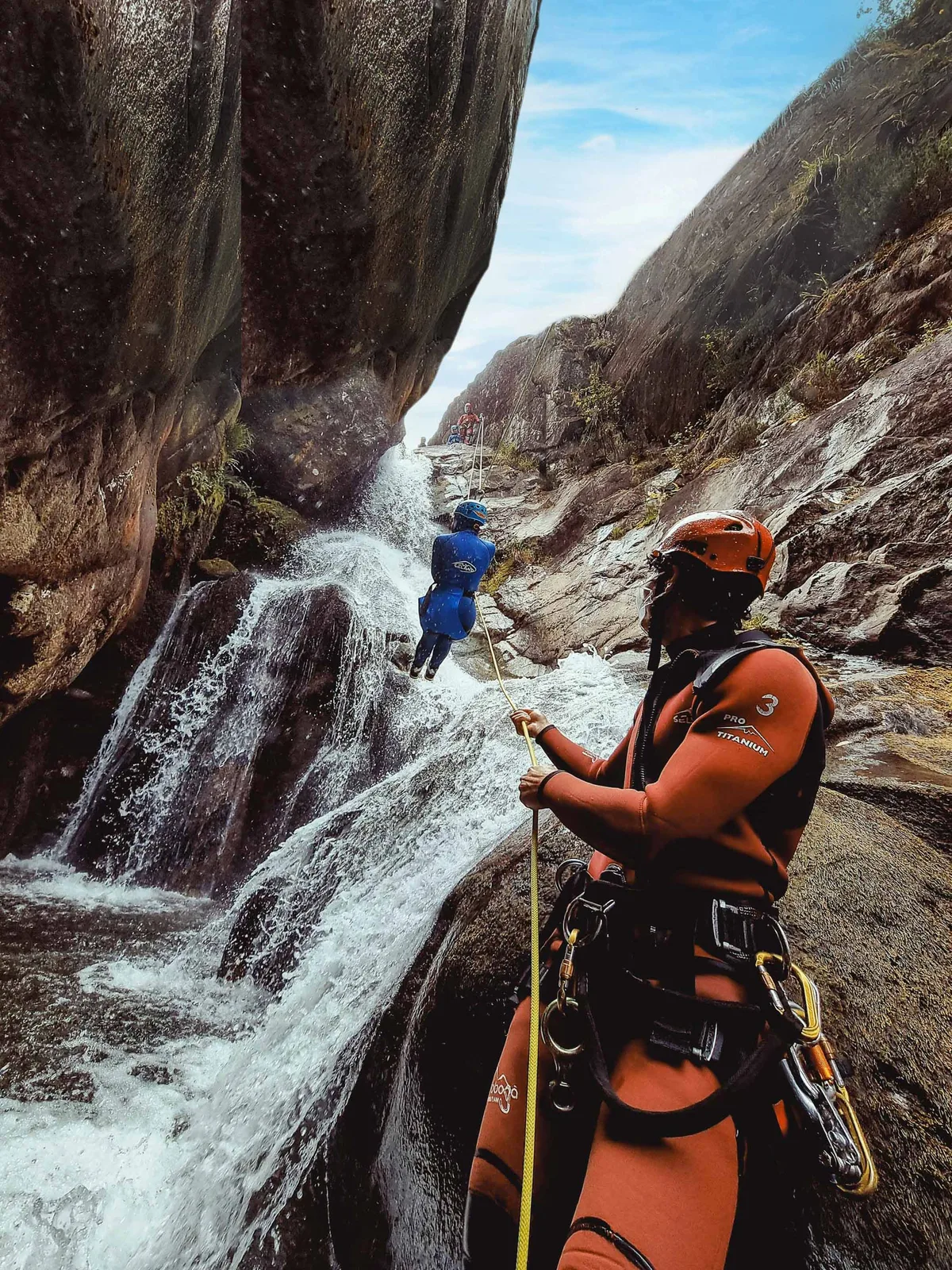
Abseiling waterfalls, natural slides and pools in the national park, with our own guides. From age twelve.
Our concierge can arrange.
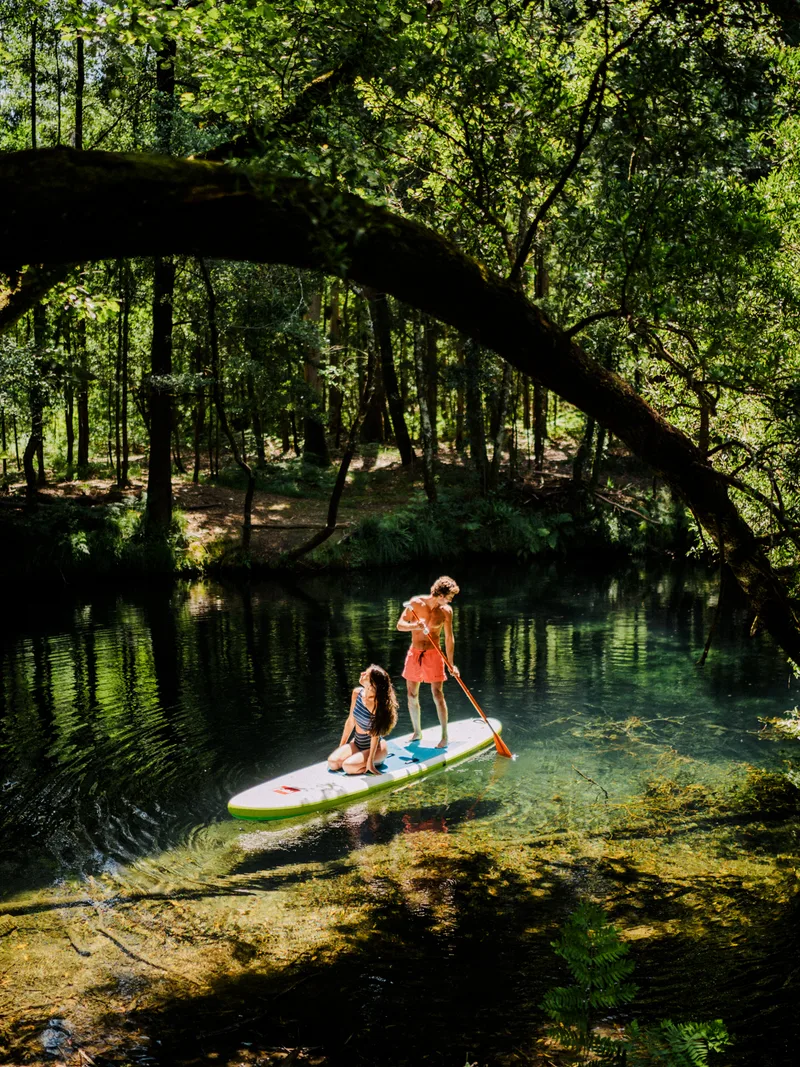
A gentle paddle downstream from Ponte de Lima between vineyards and Roman bridges.
Our concierge can arrange.
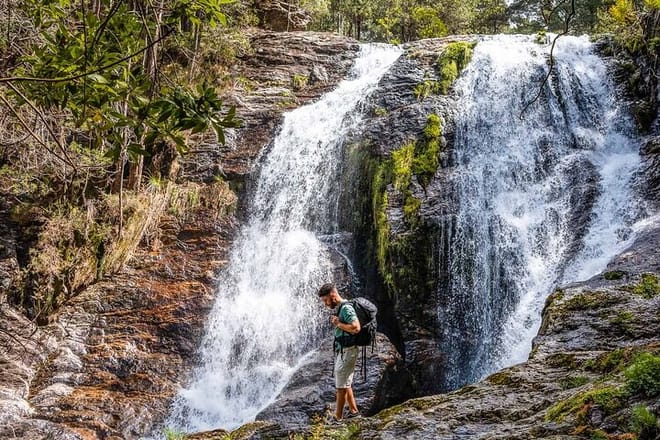
A morning walk on the sierra, a swim in a granite river pool and lunch in a village restaurant.
Our concierge can arrange.
A morning at a working quinta with the producer — four to six wines, regional cheese and bread.
Our concierge can arrange.
Cabedelo's consistent beach break, with a school that has taught here for twenty years.
Our concierge can arrange.

Descend hidden river canyons, jump into natural pools, and rappel down waterfalls in northern Portugal's most spectacular gorges.
from €65

Sunrise sessions on the Lima River, sunset paddles along the Atlantic coast, or a tranquil morning on a hidden lagoon.
from €45

Ride along deserted beaches, through pine forests, and over coastal dunes. Suitable for beginners and experienced riders.
from €75

A full-day adventure: hike to hidden waterfalls, swim in natural pools, and finish with a traditional lunch at a local family restaurant.
from €95

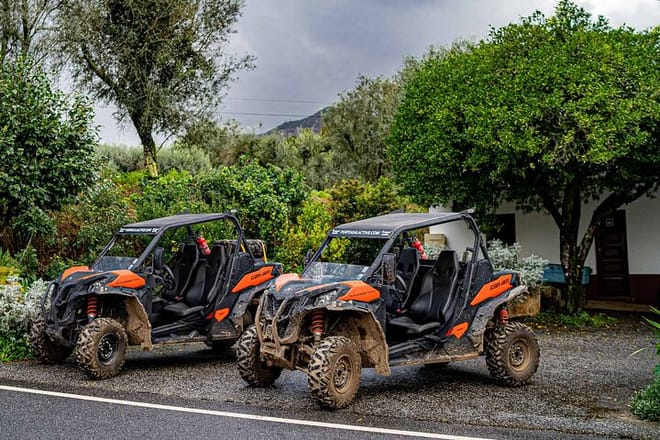
Off-road through mountain trails and forest tracks. Guided tours with panoramic viewpoint stops.
from €120

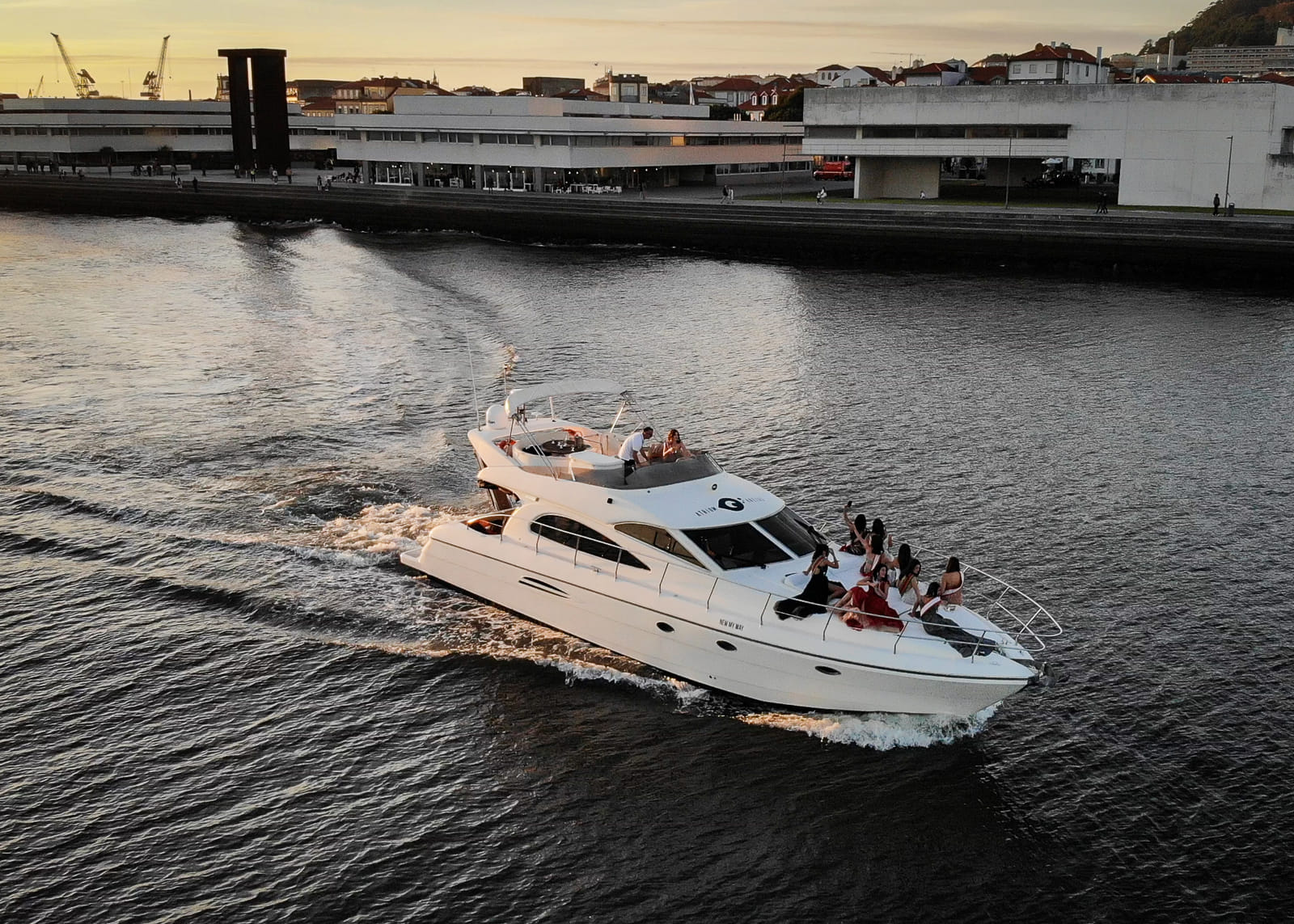
River cruises, paddleboarding, swimming, dolphin watching or a golden-hour sunset — a private yacht experience where the Atlantic meets the Lima River, tailored to your day.

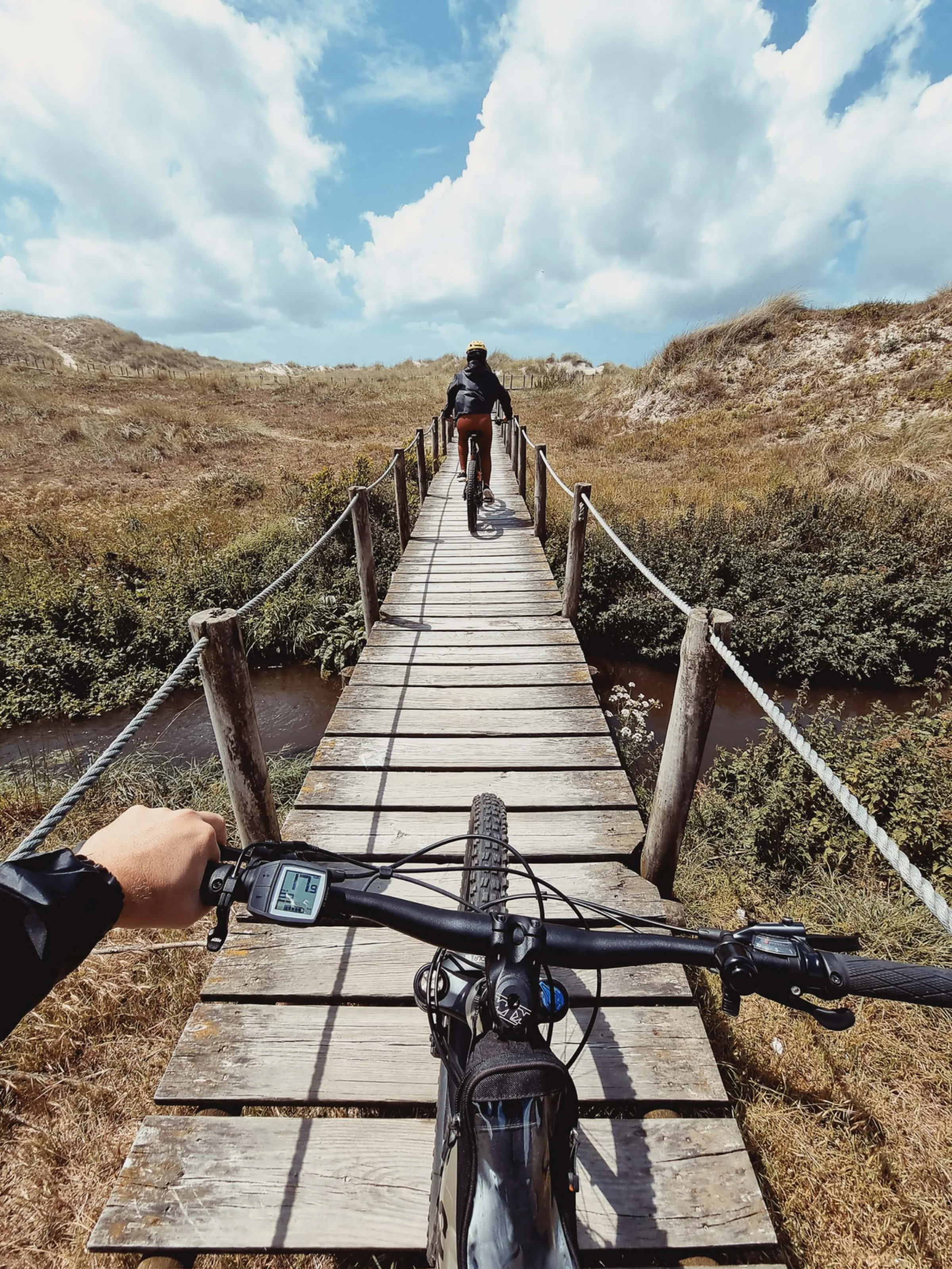
Explore coastal trails, beach dunes, and mountain paths on electric or fat-tire bikes. Guided by locals.
from €55

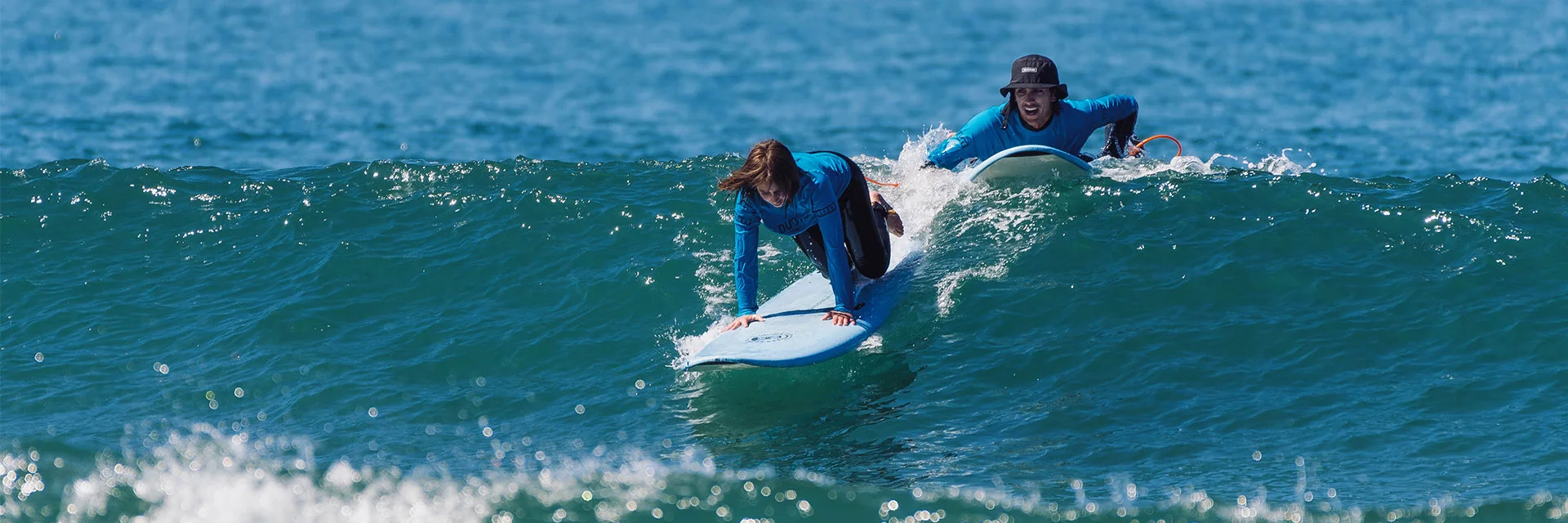
Learn to surf on Portugal's best Atlantic waves. Private or small-group lessons with certified instructors.
from €60
The Minho's calendar is the most festive in Portugal. The two dates that matter for planning are both in August, in Viana do Castelo; the harvest in September is the quieter reward.
Third week of August, Viana do Castelo
Portugal's most famous romaria, held since 1772: gold-filigree costume parades, flower carpets, boat processions and fireworks over the Lima. Homes on the coast book out months ahead.
First week of August, Viana do Castelo
One of Europe's most respected electronic music festivals, on the old fortress by the sea.
September, Ponte de Lima
The Lima valley's great fair, held since 1826: markets, folk groups, a giant Sunday procession and the best gigantones in the north.
Mid-September to October
The Vinho Verde harvest. Quintas take visitors into the vines and the wineries; the valleys smell of must for a month.
Holy Week
The most important Easter processions in Portugal, in the country's religious capital.
23–24 June, Braga and the coast
Midsummer night: bonfires, grilled sardines, plastic hammers and fireworks in every town.
The Minho is written about less than Porto or the Algarve, which is much of its appeal. The selection below is what the international press has said about the region and its towns.
“The beaches of Viana do Castelo are some of the most beautiful in the country.”
“Viana do Castelo — third most welcoming city in the world.”
“The Minho is an adventure-travel paradise hiding in plain sight in the north of Portugal.”
“Guimarães — an exceptionally well-preserved example of the evolution of a medieval settlement into a modern town.”
For travellers
See every home we operate in Minho — with concierge, daily housekeeping, and private chef on call.
See all villasFor owners
Portugal Active manages premium properties across the Alto Minho: full-service management, marketing, concierge and maintenance, operated to hotel standards by the team that founded the company here.
Speak to our team