Esposende, Portugal
Seaside Urban Retreat
6 3 1
Select dates for price
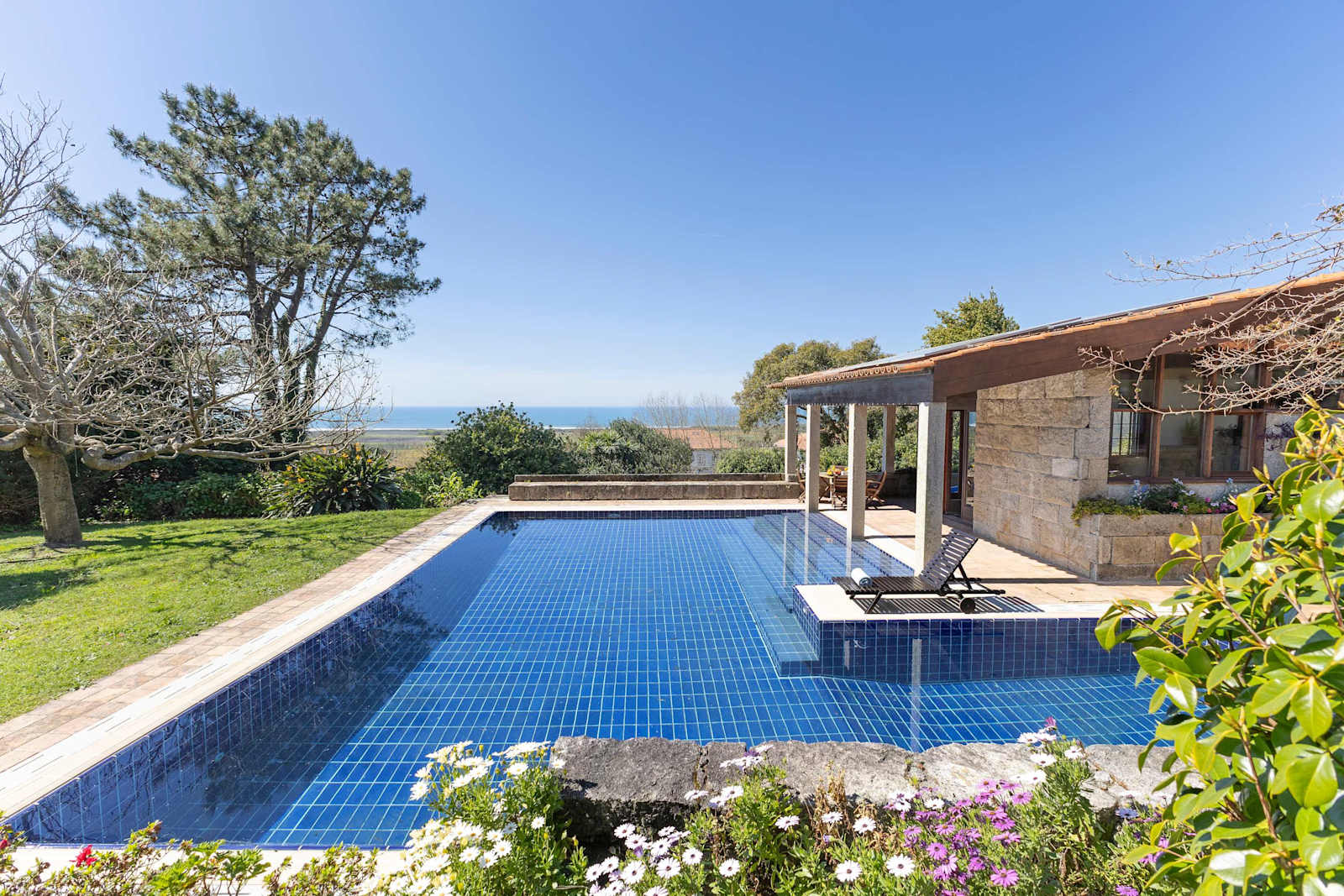
Protected dunes, pine forest and the Cávado estuary, forty minutes north of Porto
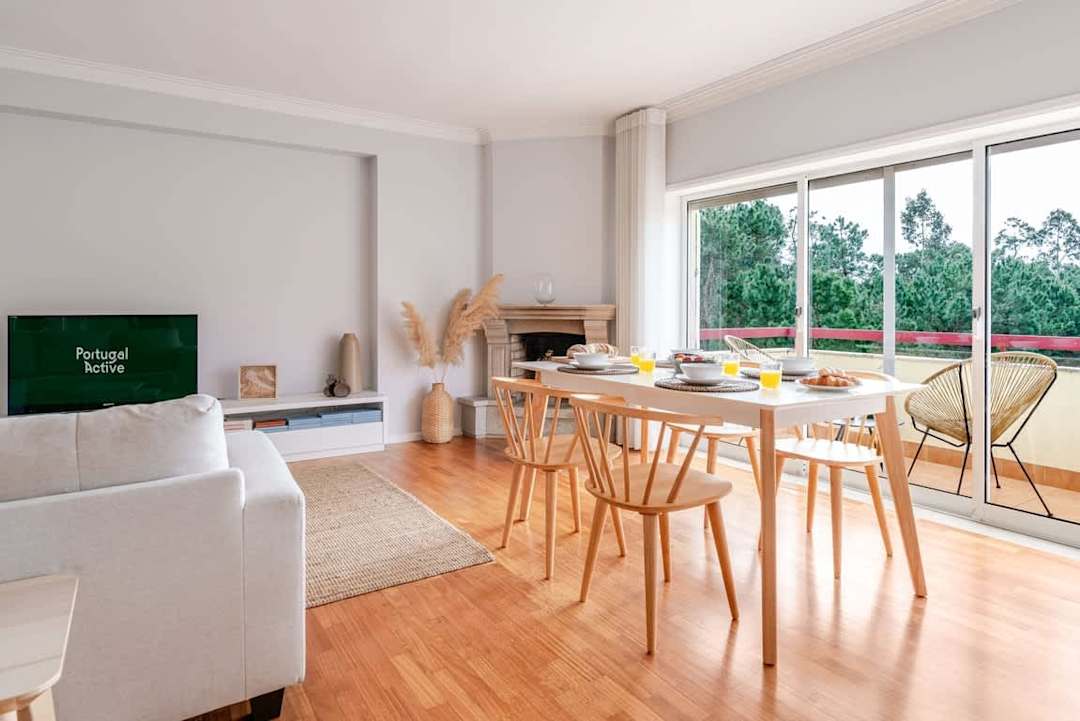
Homes in EsposendeCompare places, space and amenities. Find the home that feels right for your next stay.
WHY ESPOSENDE
Esposende is the stretch of the northern coast that most people drive past. The A28 runs a few kilometres inland, and from the motorway there is little to suggest what lies between the road and the sea: sixteen kilometres of beach, dune and pine forest, protected as a natural park, with a small town at the mouth of the Cávado river in the middle of it.
The Parque Natural do Litoral Norte covers the whole coastline of the municipality, from the mouth of the Neiva in the north to the southern edge of Apúlia. It was first protected in 1987 and became a natural park in 2005, and most of its area lies at sea, over reefs and rocky seabed. On land it protects a fragile system of dunes, pine woods and salt marsh of a kind that has largely disappeared elsewhere on this coast. Wooden walkways cross the dunes, and a coastal cycle path links the beaches.
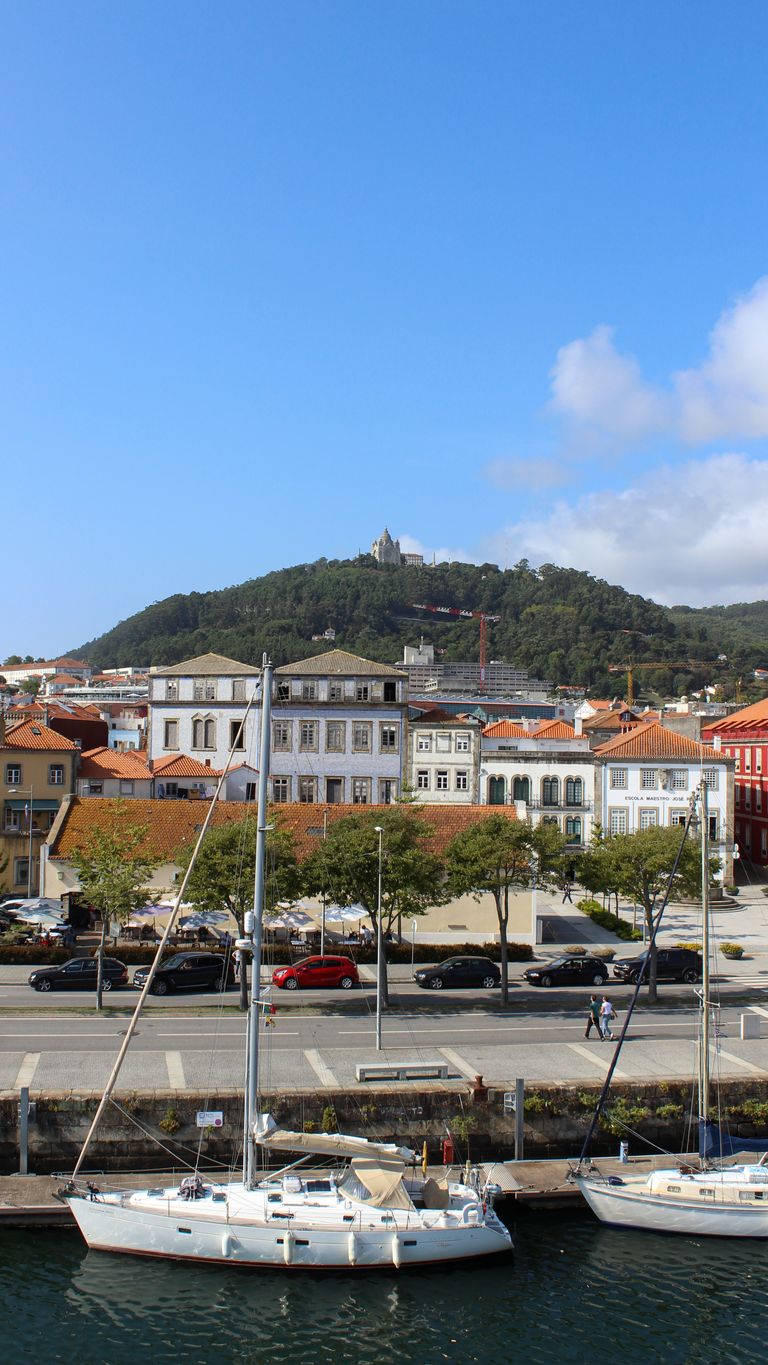
The town sits on the north bank of the Cávado, where the river widens into an estuary sheltered by a long sand spit. The Forte de São João Baptista, built between 1699 and 1704 to guard the river mouth, still stands on the waterfront, with a red iron lighthouse on its southwest corner. An iron bridge from 1892 crosses the river to Fão, a riverside village known across the north for its clarinhas, a small fried pastry filled with squash jam and egg. Beyond Fão lies Ofir, a pine forest on the dunes with a long beach at the end of it and, offshore, the dark rocks known as the Cavalos de Fão.
Further south is Apúlia, the village that gave this coast its best-known trade. For generations the people of Apúlia gathered sargaço, the seaweed brought in by the Atlantic, dried it on the sand and sold it as fertiliser to the farms inland. The sargaceiros worked in the surf in a white woollen tunic called the branqueta, and the stone windmills on the dunes above the beach, built to grind grain, are still the landmark of the village. The harvest is no longer an economy, but it lives on through the village's folk group and in local memory.
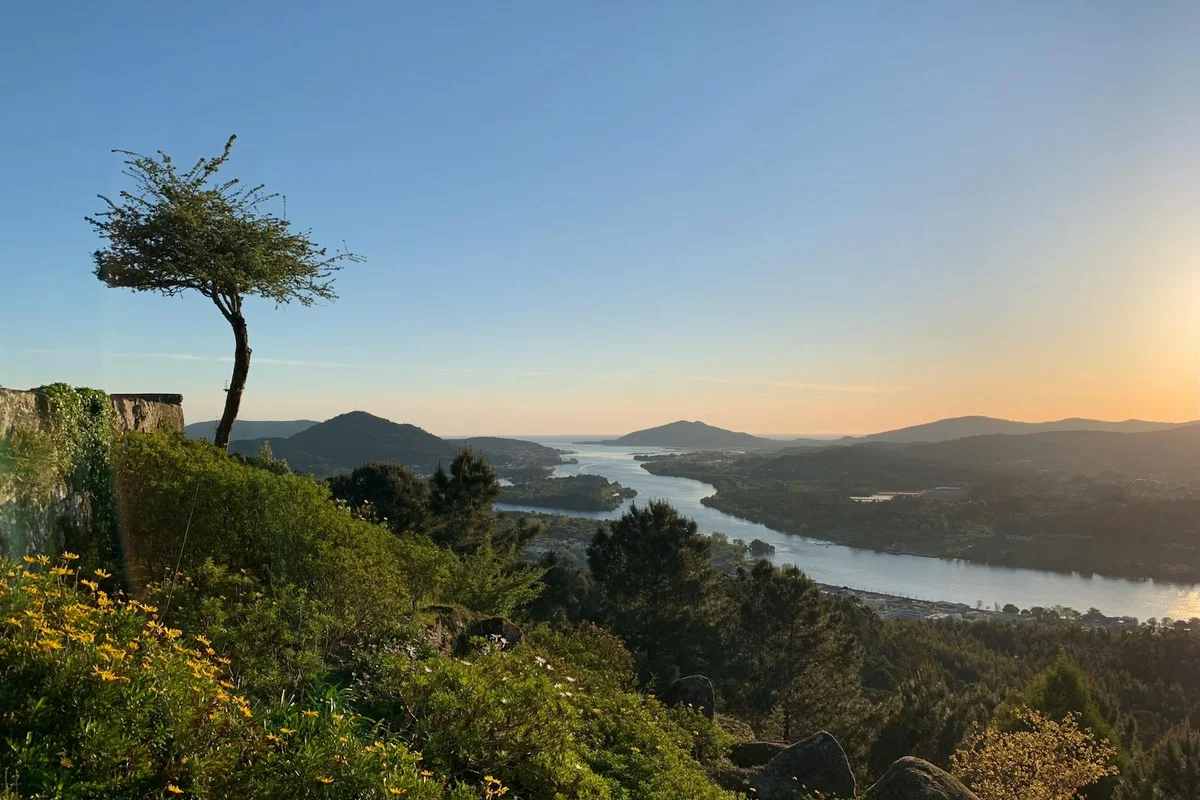
Behind the coast the land rises gently towards Barcelos and Braga. On a hill above Vila Chã, the Castro de São Lourenço preserves the foundations of an Iron Age settlement, with a view down the whole shoreline. Braga, with its cathedral and the sanctuary of Bom Jesus do Monte, is thirty minutes away. Viana do Castelo is twenty-five minutes north, and Porto forty minutes south.
Esposende is a beach town in summer and a quiet one the rest of the year. The northerly wind that blows most summer afternoons keeps the beaches cool and brings windsurfers and kitesurfers to the coast. Families come back year after year for reasons that have not changed much: long beaches with room to spare, fish on the grill, and a pace that suits them.
June and September. Warm days, long beaches with space to spare, and the afternoon wind that suits windsurf and kitesurf. July and August for full summer.
March to May. The dunes flower and the pine woods smell of resin. Highs rise from about seventeen to twenty-one degrees, with showers still frequent. The sea is cold, but the walkways and the coastal cycle path are at their best, and the beaches are empty.
June to August. Warm and mostly dry, with highs in the mid-twenties. The nortada, a steady northerly wind, blows most afternoons, keeping the beaches cool and bringing windsurfers and kitesurfers. The water stays at sixteen to eighteen degrees. July and August are the family months, busiest in the first half of August.
September to November. September is warm and quiet, often the best month for the beach. October brings the first heavy rain and the Atlantic swell. By November the coast belongs to fishermen and walkers again.
December to February. Mild, wet and windy, with highs around fourteen degrees. Atlantic storms make for dramatic walks along the dunes. Many beach restaurants close or shorten their hours, and the town settles into local life.
Best for first-time visitors
June or September. Warm enough for the beach, quiet enough to have long stretches of it to yourself, and with the best light for walking the dunes and the estuary.
Esposende is a place for long walks and slow days rather than sightseeing lists. The coast is the reason to come, and it changes from north to south: river mouth and town, pine forest and dune, then the old seaweed-harvesting village of Apúlia. What follows is how we would divide it.
Built between 1699 and 1704 to defend the mouth of the Cávado, with the red iron lighthouse of Esposende on its southwest corner.
The river widens into a sheltered estuary behind a long sand spit. Calm water for paddleboard and kayak, and salt marsh for wading birds.
Iron bridge from 1892 across the Cávado, linking the Esposende side of the river with the village of Fão.
Small riverside village on the south bank, known across the north of Portugal for the clarinhas de Fão pastry.
A long beach at the end of a pine forest on the south bank of the river, with the offshore rocks known as the Cavalos de Fão.
Wooden walkways cross the protected dunes of the natural park, so you can walk for kilometres behind the beach without damaging the plants that hold the sand.
Beach village at the southern end of the park, with its row of stone windmills on the dunes and the memory of the sargaceiros, the seaweed harvesters.
North of the town, towards the Neiva river, the beaches get wilder and quieter, backed by dunes and farmland.
Iron Age hill settlement above Vila Chã, with the foundations of stone houses and a view along the whole coast.
Twenty minutes inland, home of the Barcelos cockerel and one of the largest weekly markets in Portugal, held on Thursdays.
Thirty minutes east. The cathedral, the old centre and the sanctuary of Bom Jesus do Monte, a UNESCO World Heritage site since 2019, with its baroque stairway and water-powered funicular.
Twenty-five minutes north: the basilica of Santa Luzia, the historic centre and more Atlantic beaches.
By air
Porto's Francisco Sá Carneiro airport is about forty kilometres south, around thirty-five minutes by car on the A28. It is the natural arrival point, and we arrange private transfers to our homes. Vigo airport in Galicia is about an hour and a quarter north.
By train
Esposende has no railway station. The nearest are Barcelos, on the Linha do Minho about twenty minutes inland, and Viana do Castelo, twenty-five minutes north; from either, a taxi covers the rest. Buses also run between Porto and Esposende.
By car
From Porto, the A28 reaches Esposende in about forty minutes. The A11 links the town to Barcelos and Braga. The N13, the old coast road, runs through the town and is the slower, more local way to Viana do Castelo. Drivers of cars with foreign plates should register with an electronic toll service before arriving.
From Spain
From Vigo, cross the Minho at Tui and Valença and follow the motorways south by way of Ponte de Lima and Viana do Castelo, about an hour and a quarter in all. From Santiago de Compostela allow around two hours.
Getting around
The town, the beach and the estuary are all walkable, and a coastal cycle path follows much of the natural park. A car is useful for Braga, Barcelos and Viana do Castelo, less so for day-to-day life by the sea.
Our concierge arranges private transfers from any airport or station to your villa.
Esposende's table is the coast's table: Atlantic fish grilled over charcoal, seafood rice for sharing, and in Fão a pastry tradition worth the detour. The restaurants along the seafront at Apúlia and beside the Cávado work to the season and the catch, and most of them are small and family-run. The wine is Vinho Verde from the Cávado, one of the sub-regions of the appellation. Our concierge keeps a short list of tables along the coast and books them for guests.
A half-moon of thin fried pastry filled with doce de chila, a squash jam, and egg yolk, then rolled in sugar. Made in Fão and sold in its pastry shops.
Sea bass, bream and, in summer, sardines, grilled over charcoal and served with boiled potatoes, greens and olive oil.
Seafood rice, loose and brothy in the northern style, brought to the table in the pot and meant for sharing.
One of the sub-regions of the Vinho Verde appellation, known for fresh, citric whites. Drunk young and cold, with fish.
What follows are experiences our concierge arranges for guests staying in our Esposende homes. Most need a day's notice, and the concierge can arrange transfers wherever a car would otherwise be needed.
A guided session on the sheltered water behind the sand spit, with the fort and lighthouse on one side and the pines of Ofir on the other.
Our concierge can arrange.
Lessons for beginners and improvers on a coast where the afternoon northerly blows reliably through the summer. Equipment included.
Our concierge can arrange.
A guided walk with a local naturalist along the walkways and through the pine woods, explaining how the dune system works and why it is protected.
Our concierge can arrange.
A day in Braga: the cathedral, the old centre and the baroque stairway of Bom Jesus do Monte, coming back down on the water-powered funicular.
Our concierge can arrange.
Thursday morning at one of the largest weekly markets in Portugal, for pottery, produce and the painted cockerels.
Our concierge can arrange.
A visit to a Vinho Verde producer inland, with a tasting of the region's whites and lunch among the vines.
Our concierge can arrange.
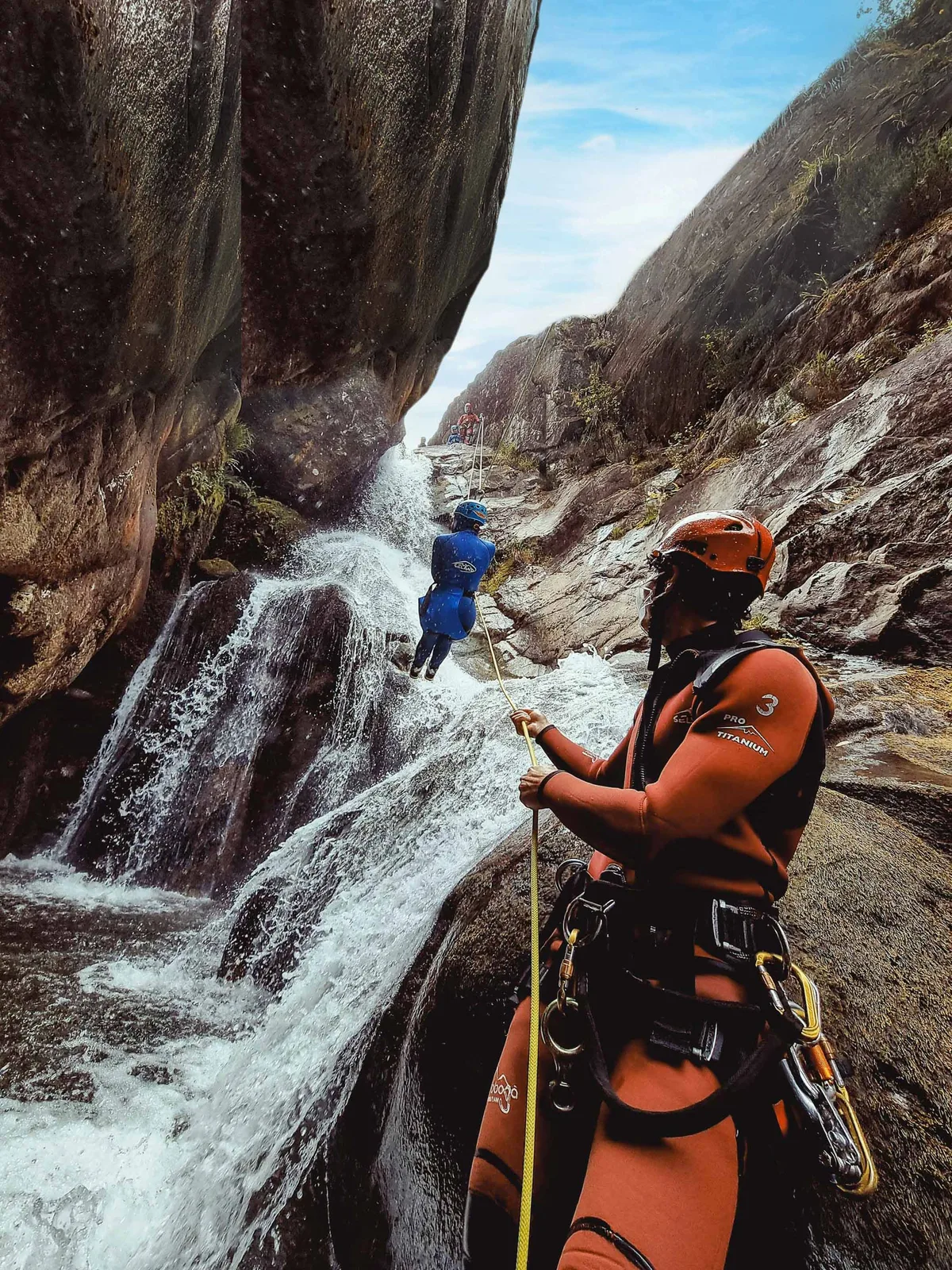
Descend hidden river canyons, jump into natural pools, and rappel down waterfalls in northern Portugal's most spectacular gorges.
From €65
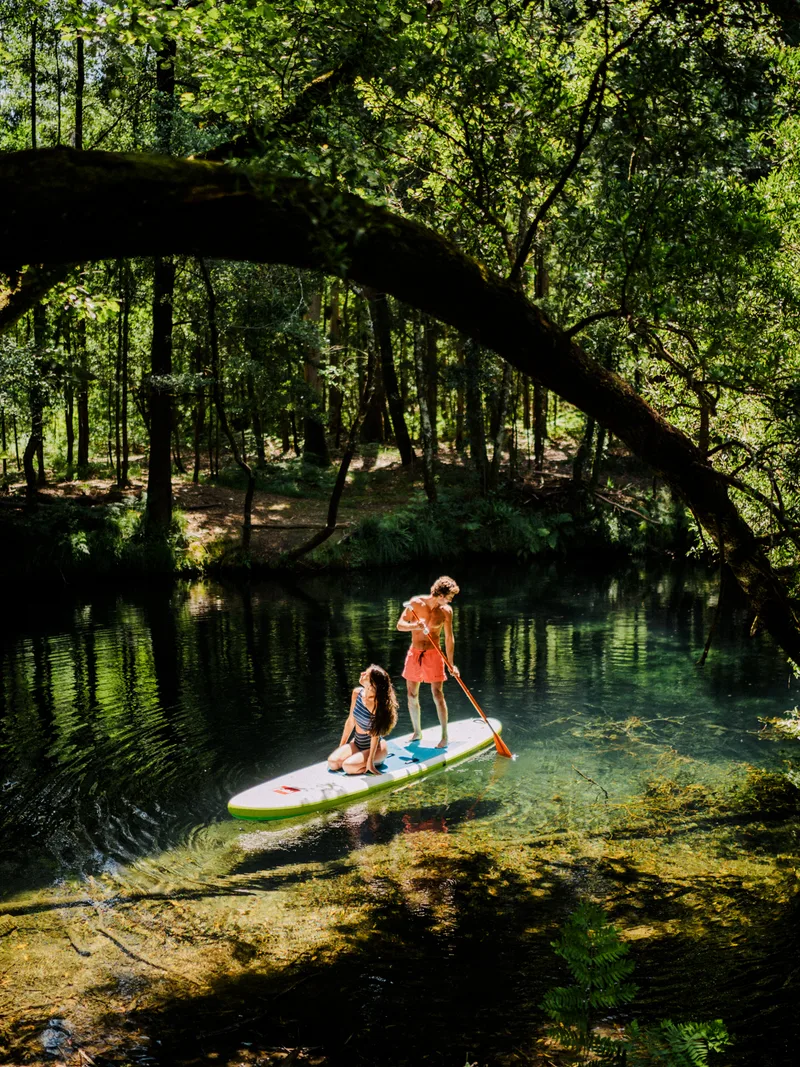
Sunrise sessions on the Lima River, sunset paddles along the Atlantic coast, or a tranquil morning on a hidden lagoon.
From €45
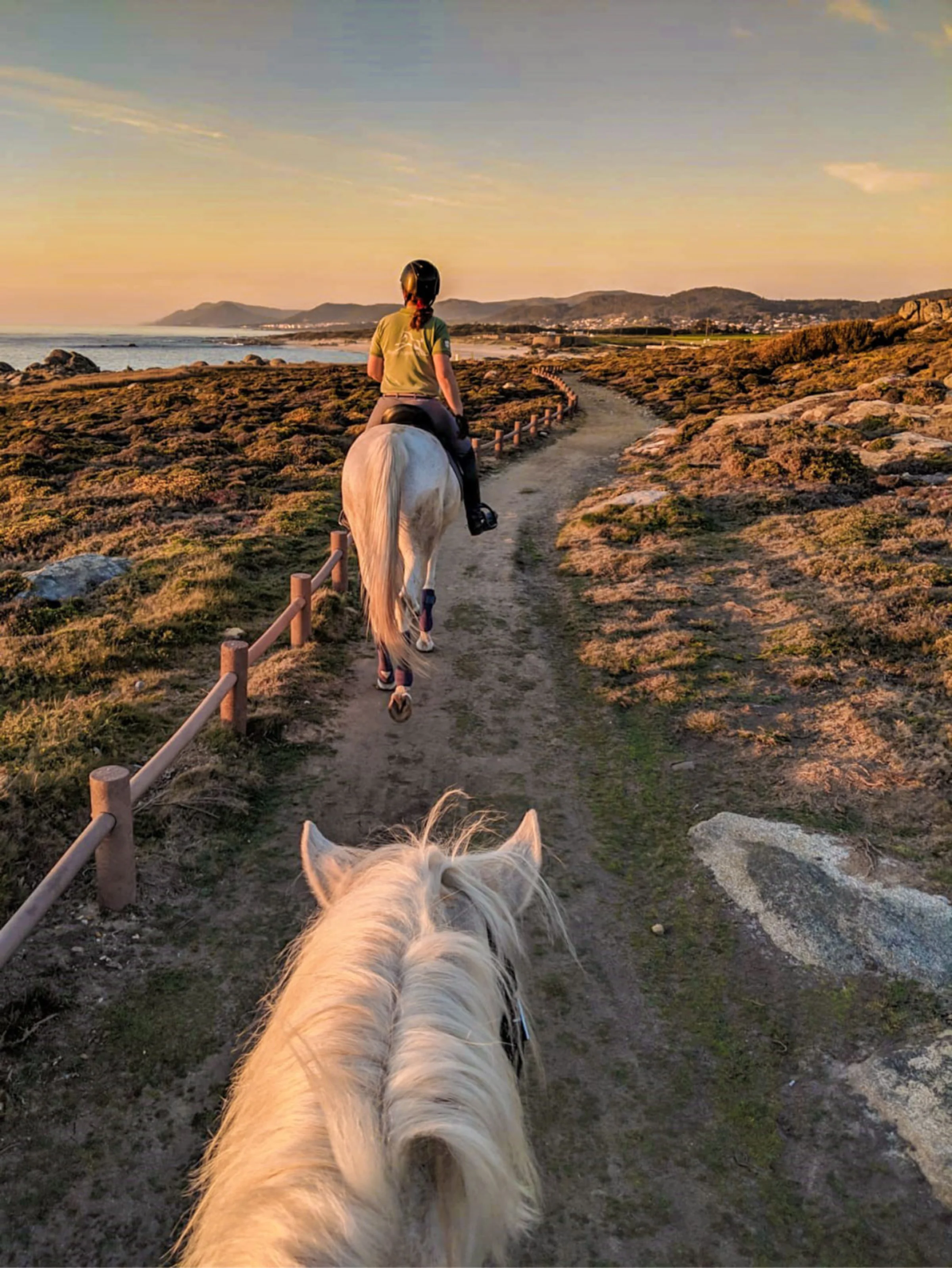
Ride along deserted beaches, through pine forests, and over coastal dunes. Suitable for beginners and experienced riders.
From €75
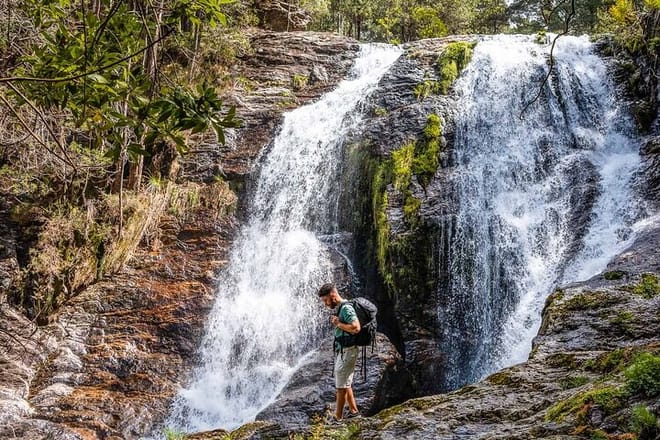
A full-day adventure: hike to hidden waterfalls, swim in natural pools, and finish with a traditional lunch at a local family restaurant.
From €95
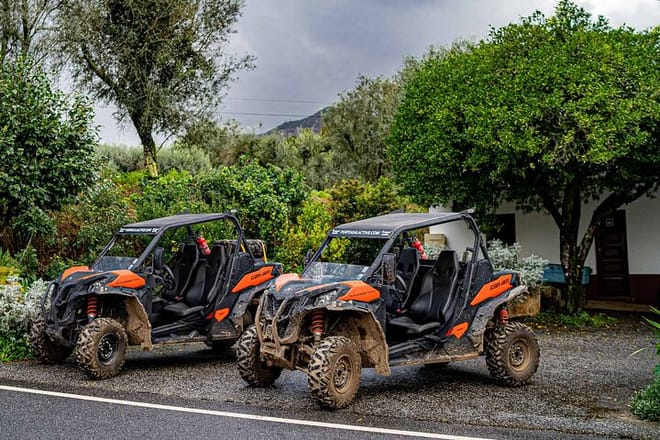
Off-road through mountain trails and forest tracks. Guided tours with panoramic viewpoint stops.
From €120
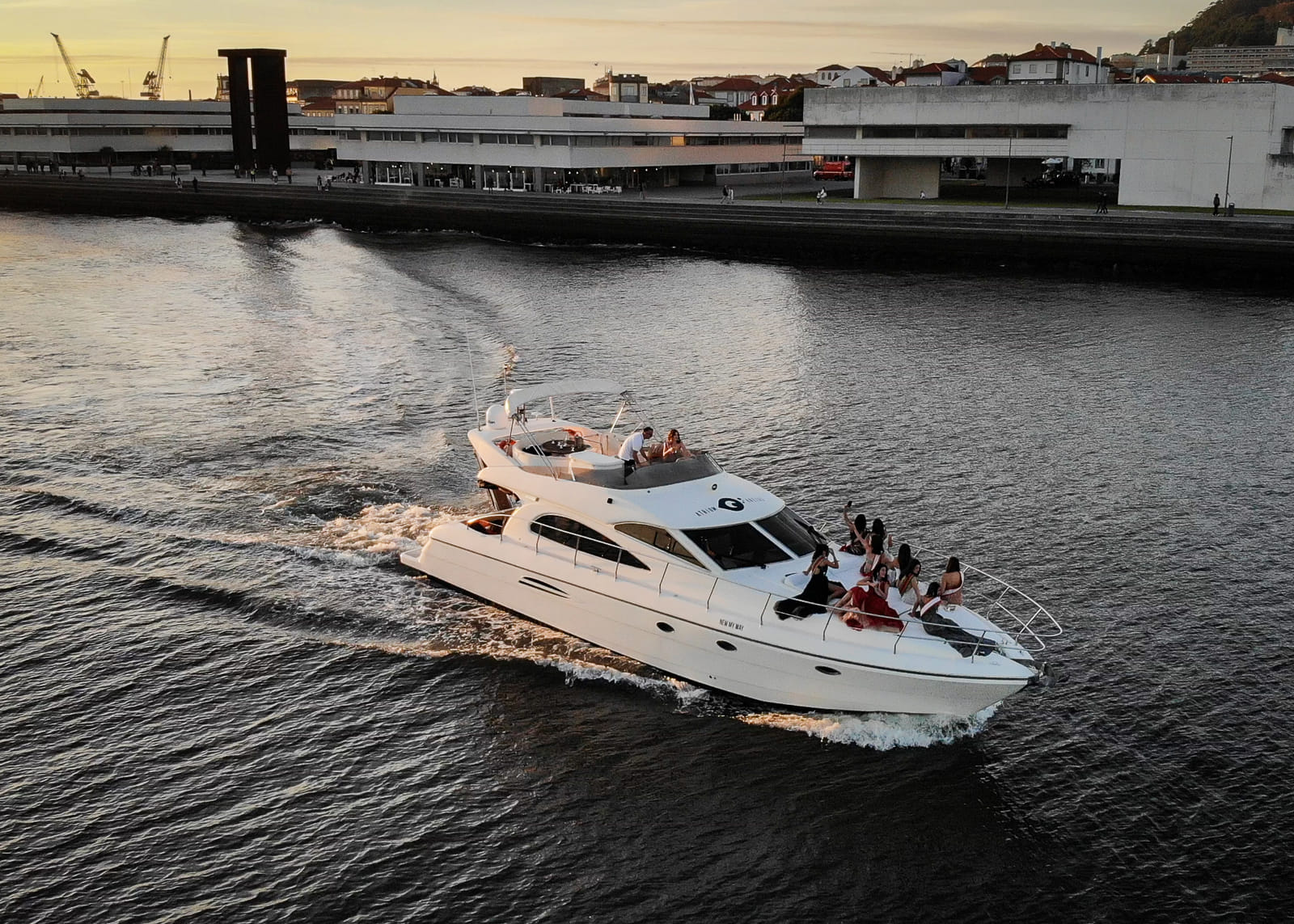
River cruises, paddleboarding, swimming, dolphin watching or a golden-hour sunset — a private yacht experience where the Atlantic meets the Lima River, tailored to your day.
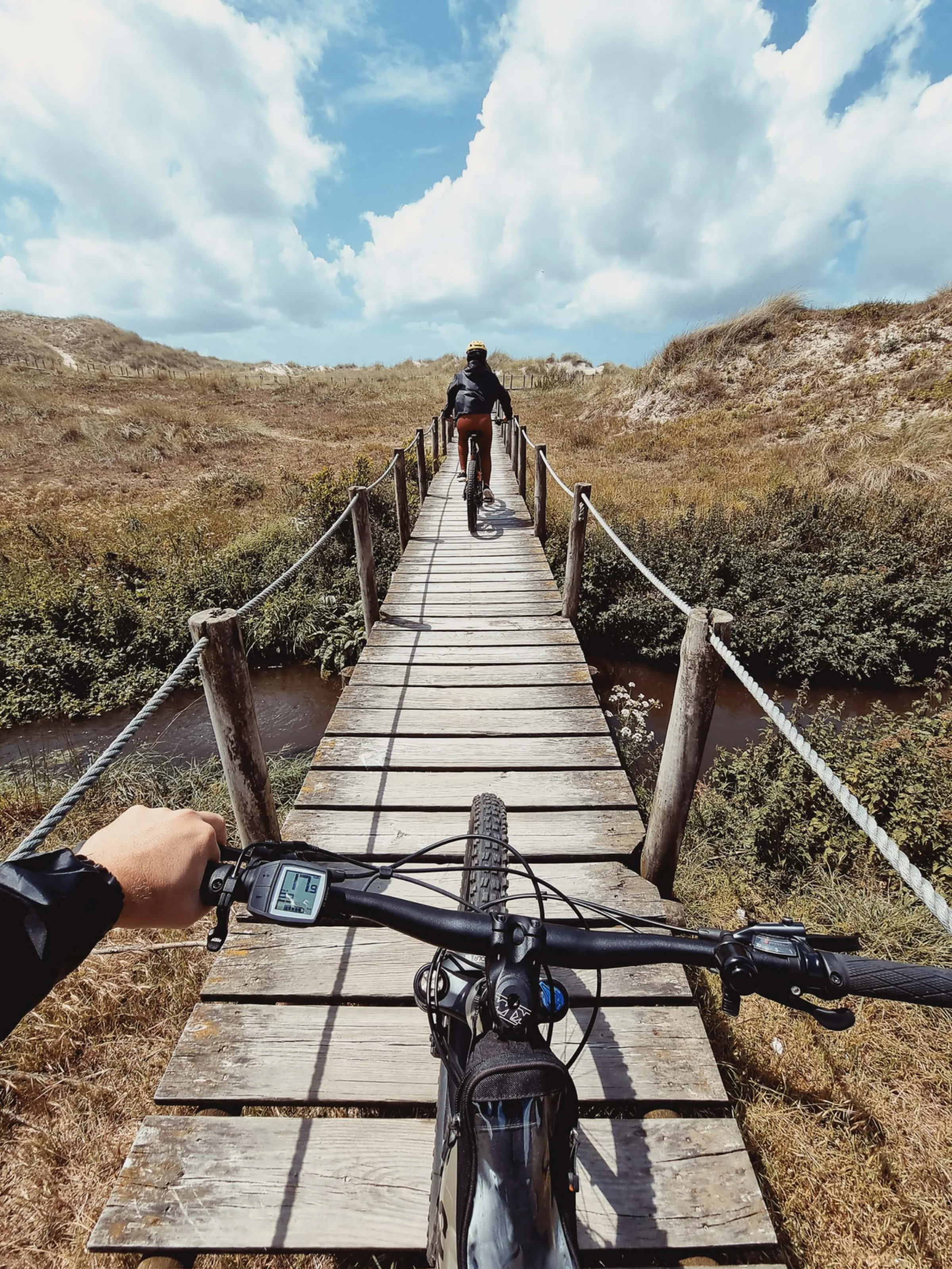
Explore coastal trails, beach dunes, and mountain paths on electric or fat-tire bikes. Guided by locals.
From €55
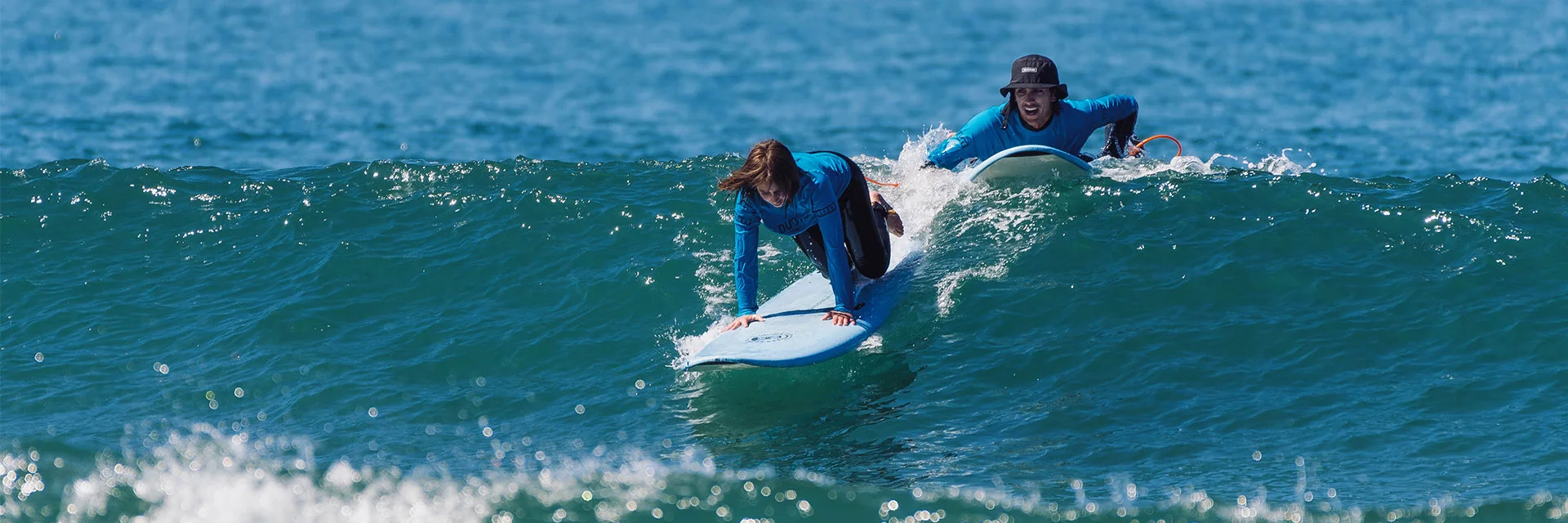
Learn to surf on Portugal's best Atlantic waves. Private or small-group lessons with certified instructors.
From €60
Choose a destination, compare homes and check prices for your dates.