Albufeira, Portugal
Mirante 1
12 6 7.5
Select dates for price
Portugal's southern coast, from the wild west to the lagoons of the east
Europe's Leading Beach Destination
World Travel Awards
Awarded repeatedly to the Algarve over the last decade
WHY THE ALGARVE
Everyone knows the Algarve for its resorts, its golf and its summer beaches, and for good reason: this is the sunniest coast in Europe, with a warm sea from June to October and a winter that feels like an English spring. What most visitors never see is the rest of it. The western coast around Sagres and Aljezur, where the cliffs face the open Atlantic and surfers have empty beaches to themselves. The Ria Formosa in the east, a lagoon of islands, salt pans and fishing villages that is one of the finest natural parks in Portugal. The hills of the Serra de Monchique and the Barrocal, with cork oaks, orange groves, whitewashed villages and restaurants that have never seen a tourist menu. And the villas: behind the walls of Quinta do Lago and Vale do Lobo, on the cliffs of the central coast and in the countryside of the west, there are private homes that turn the Algarve into something very different from a resort holiday — a house with a heated pool, a chef in the kitchen and a concierge who knows which cove is empty at four in the afternoon. Our Algarve homes are exactly those houses.
“Praia da Falésia — the best beach in the world.”
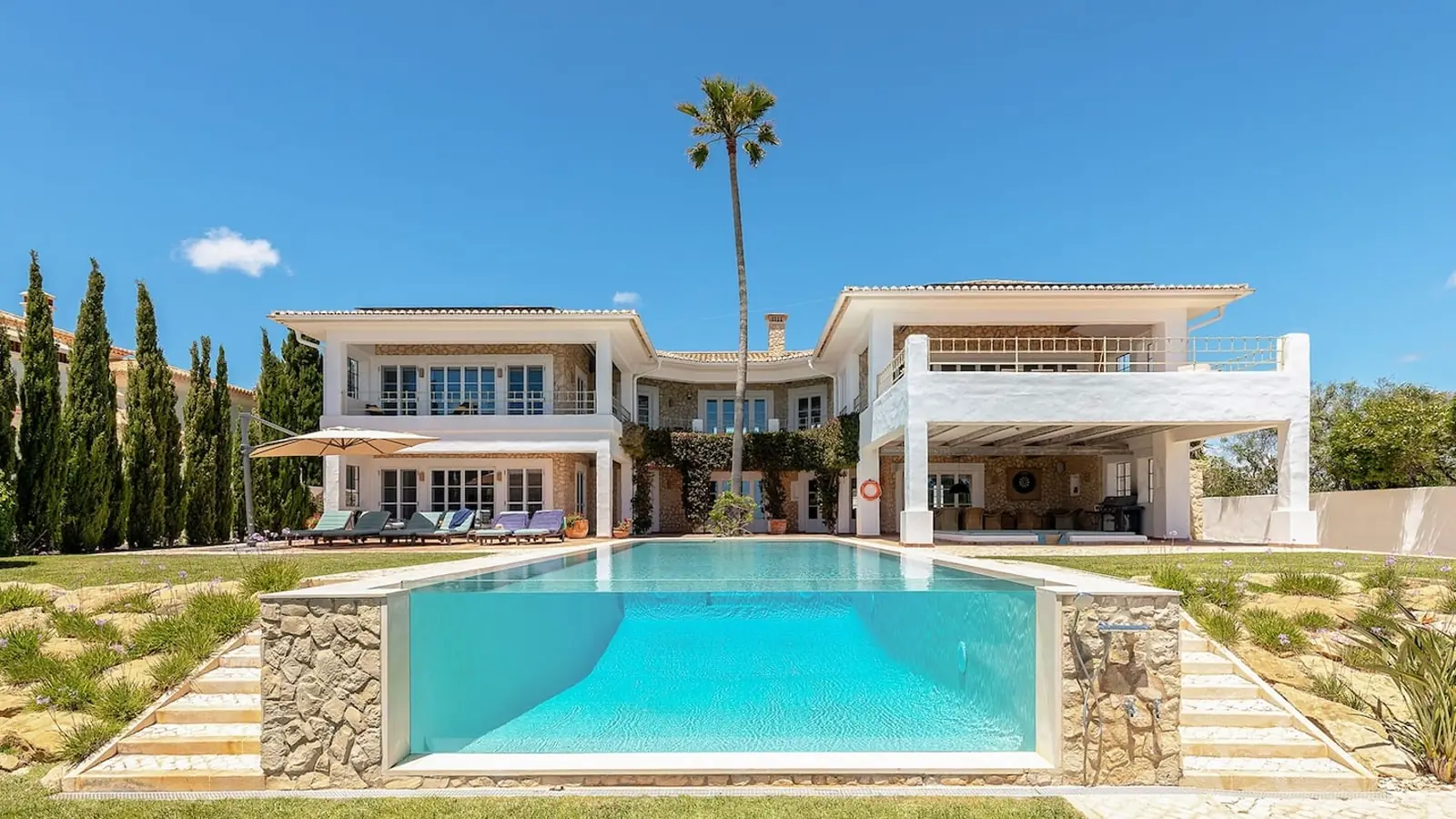
Portugal Active operates a small collection of homes across the Algarve: villas inside Quinta do Lago and on the central coast between Albufeira and Vilamoura, houses in the east around Tavira, and estates in the west near Lagos. Each is operated to the same standard as our homes in the north — a heated pool, a stocked kitchen, a private chef on request and a concierge who lives in the region.
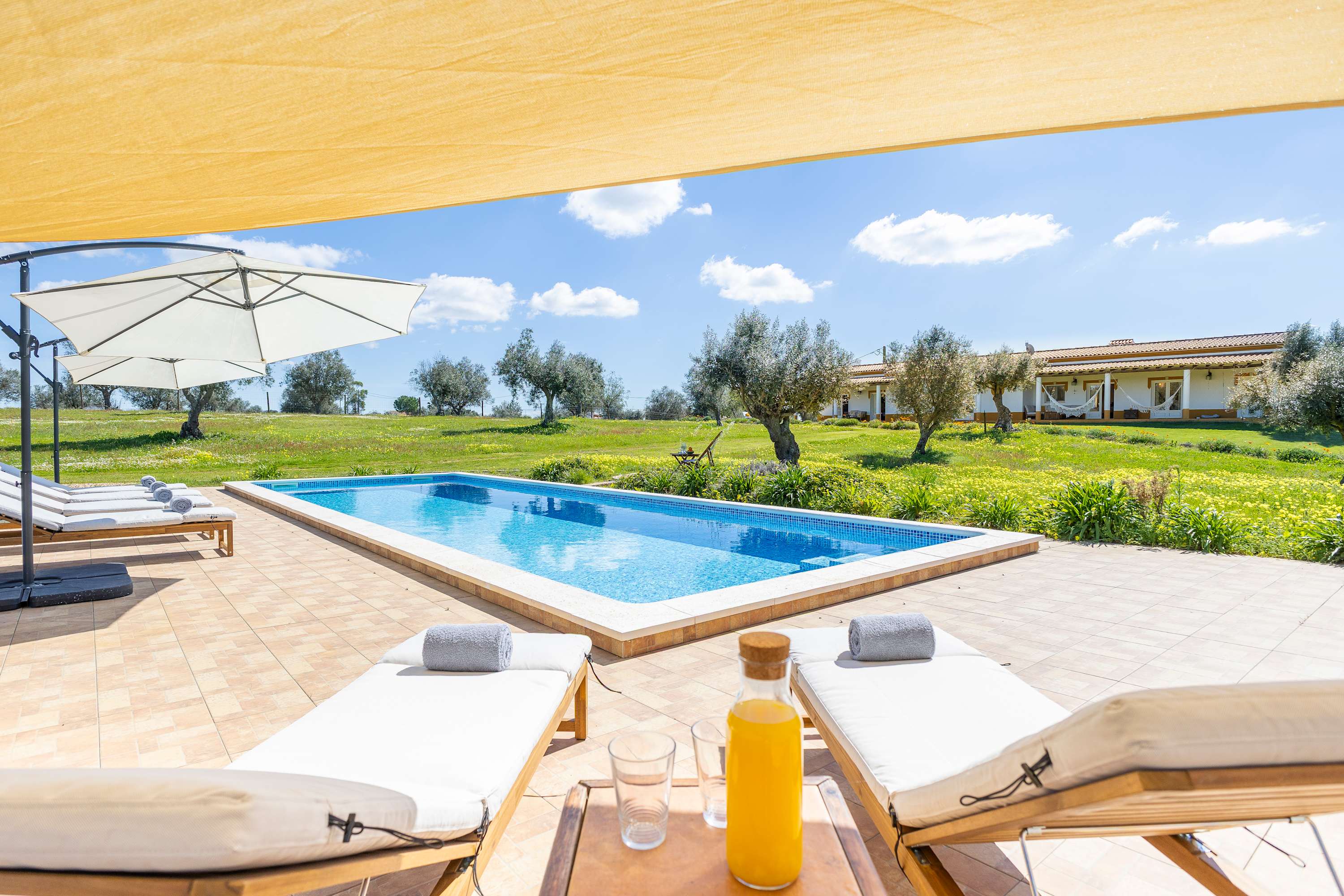
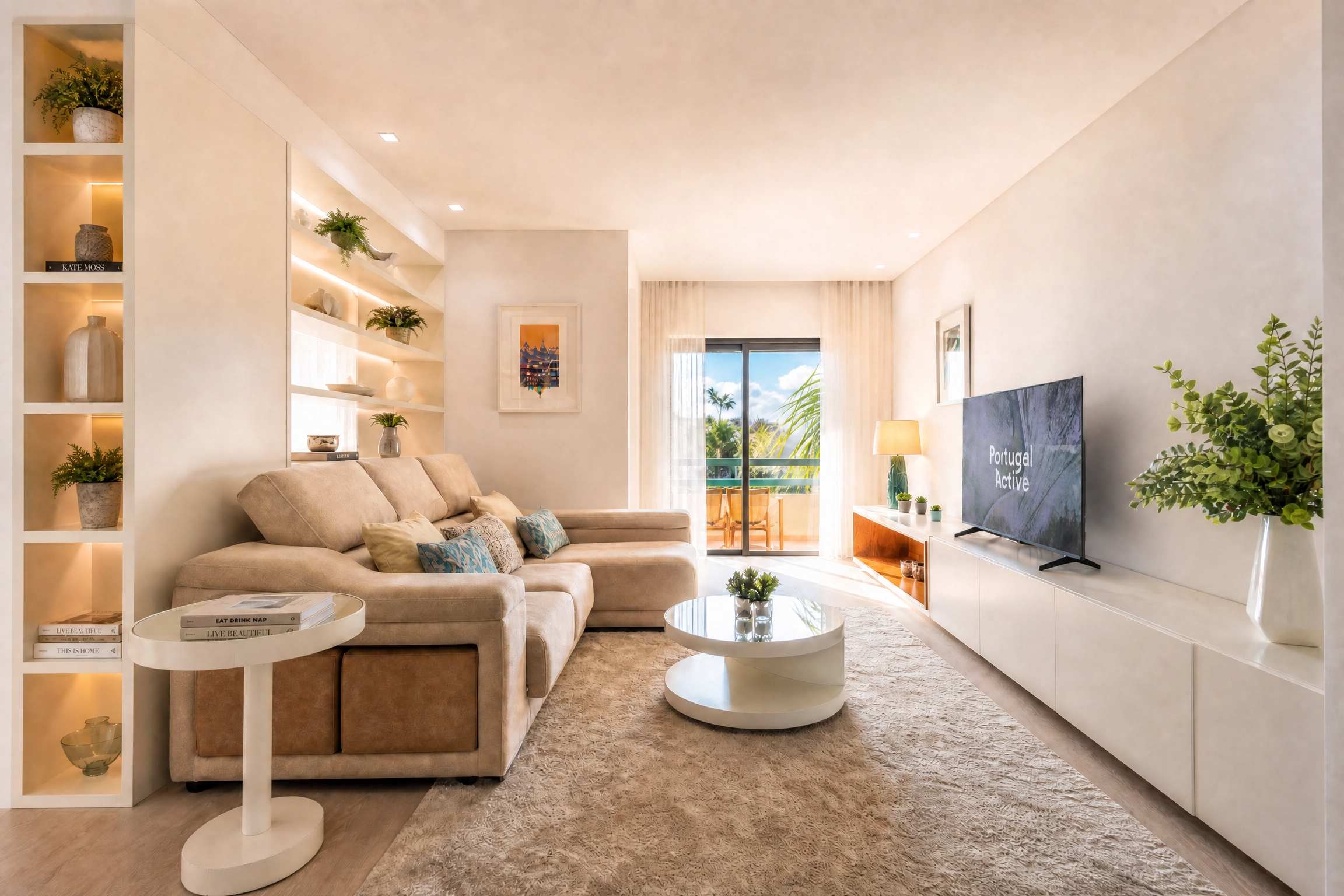
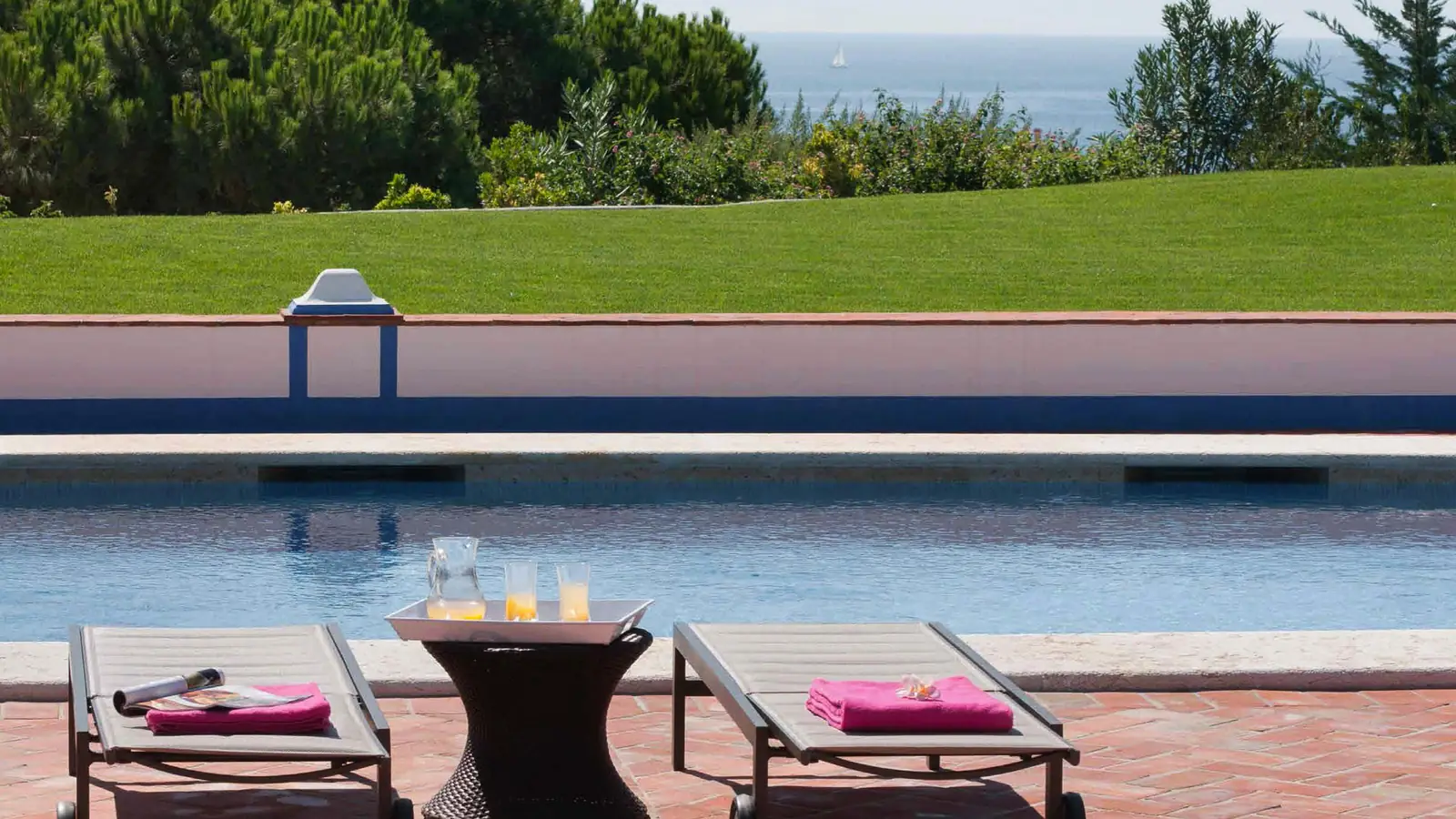
Albufeira, Portugal
West Algarve, Portugal
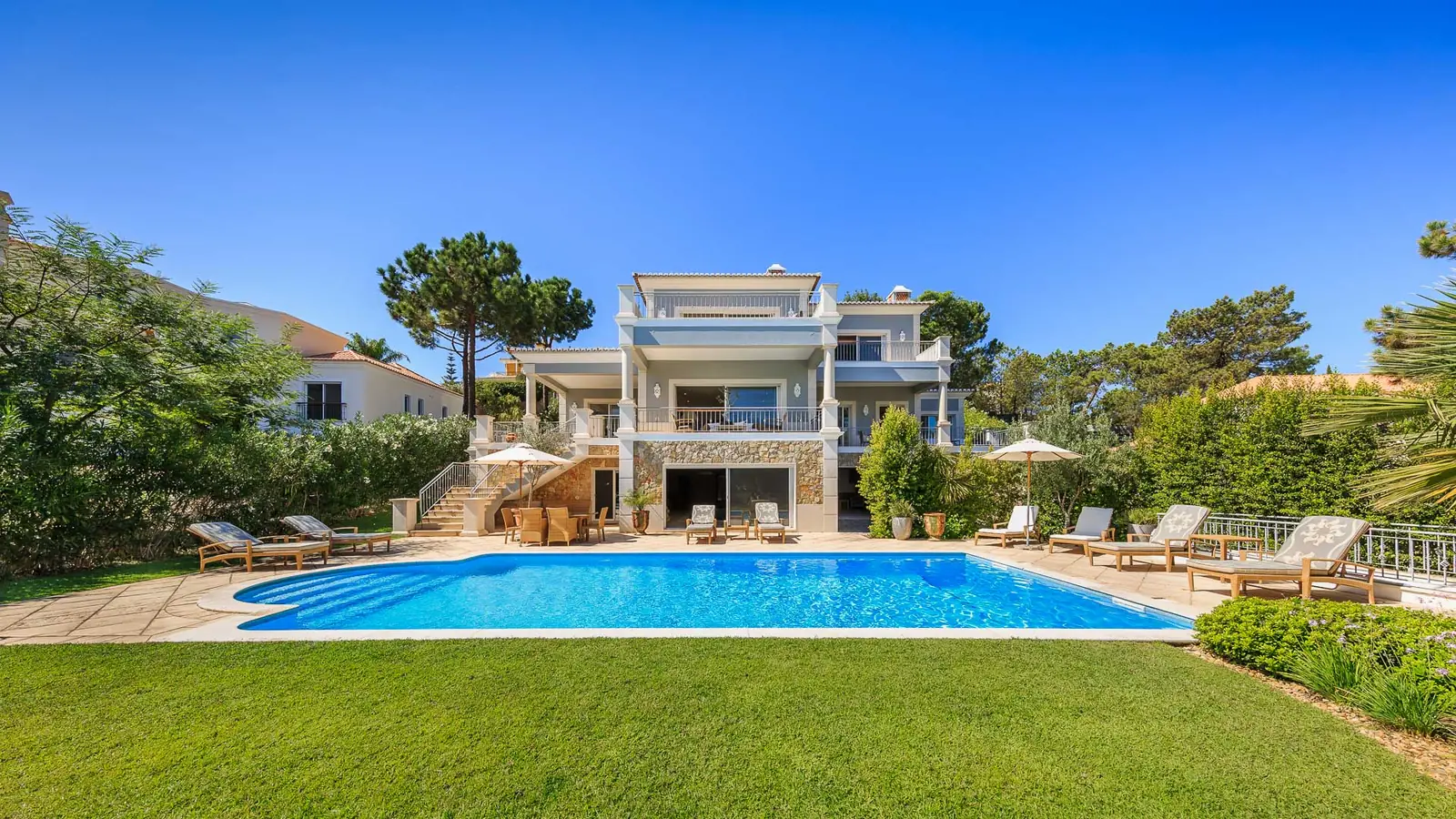
Quinta do Lago, Portugal
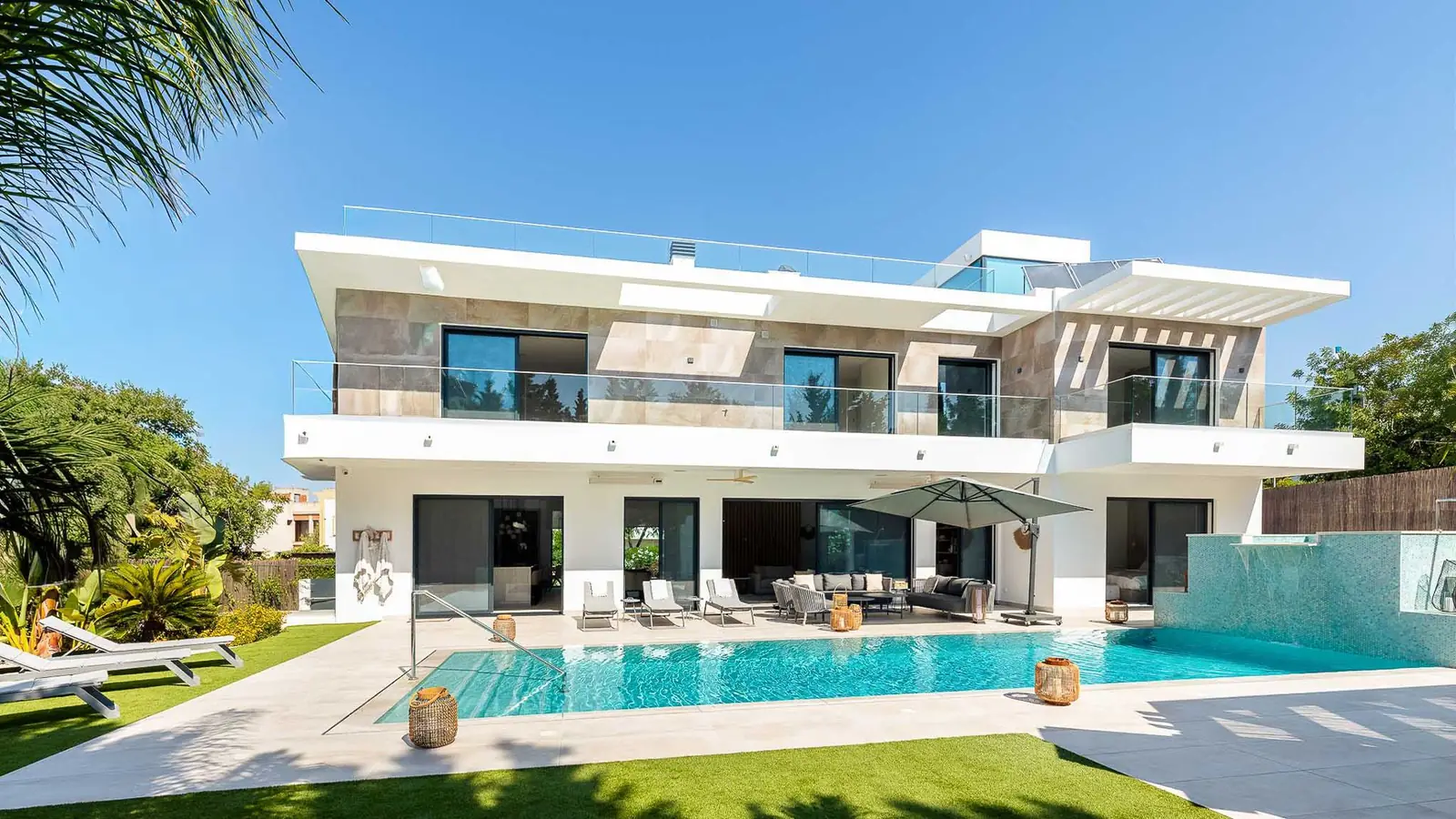
East Algarve, Portugal
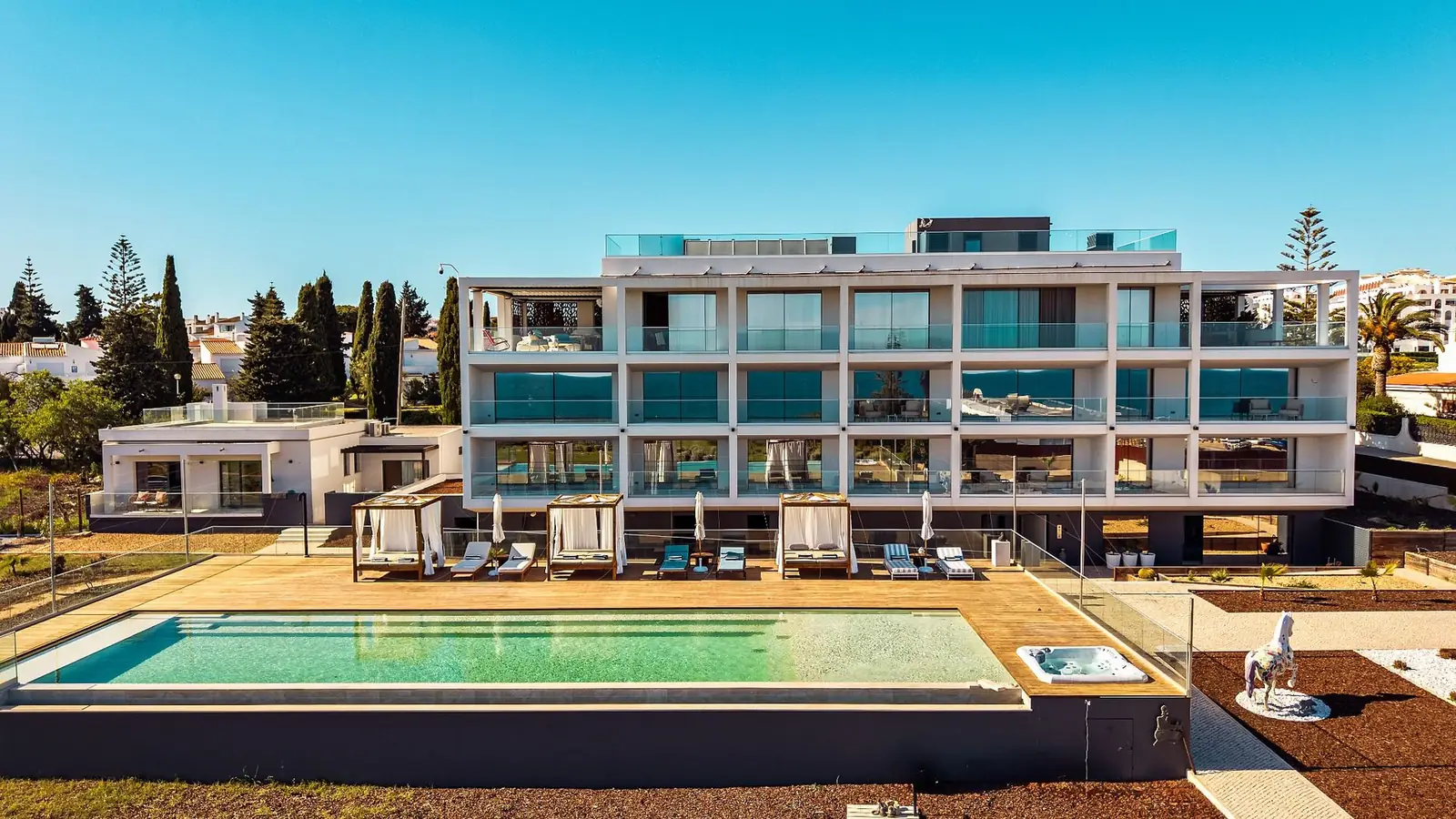
Central Algarve, Portugal
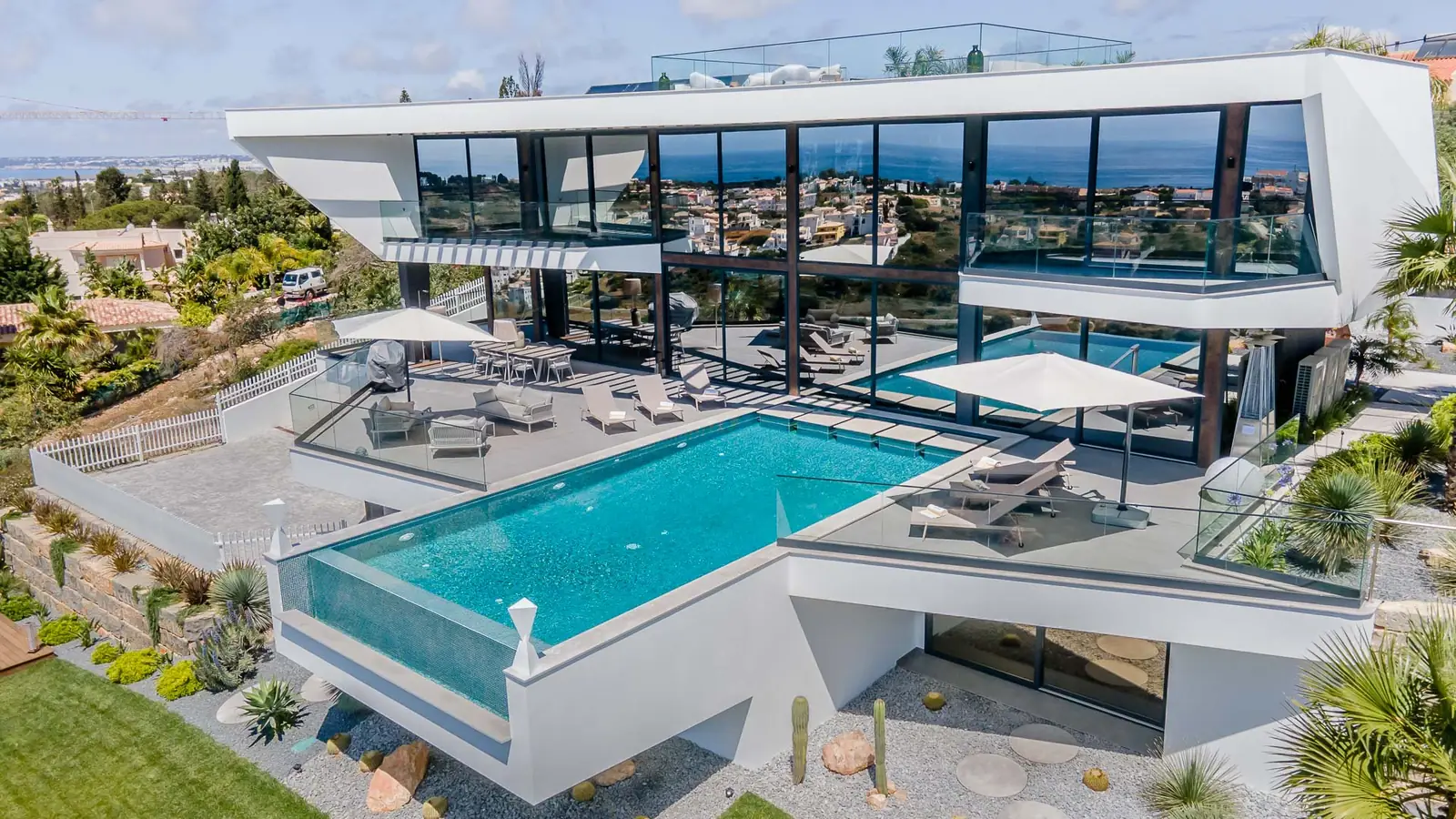
Albufeira, Portugal
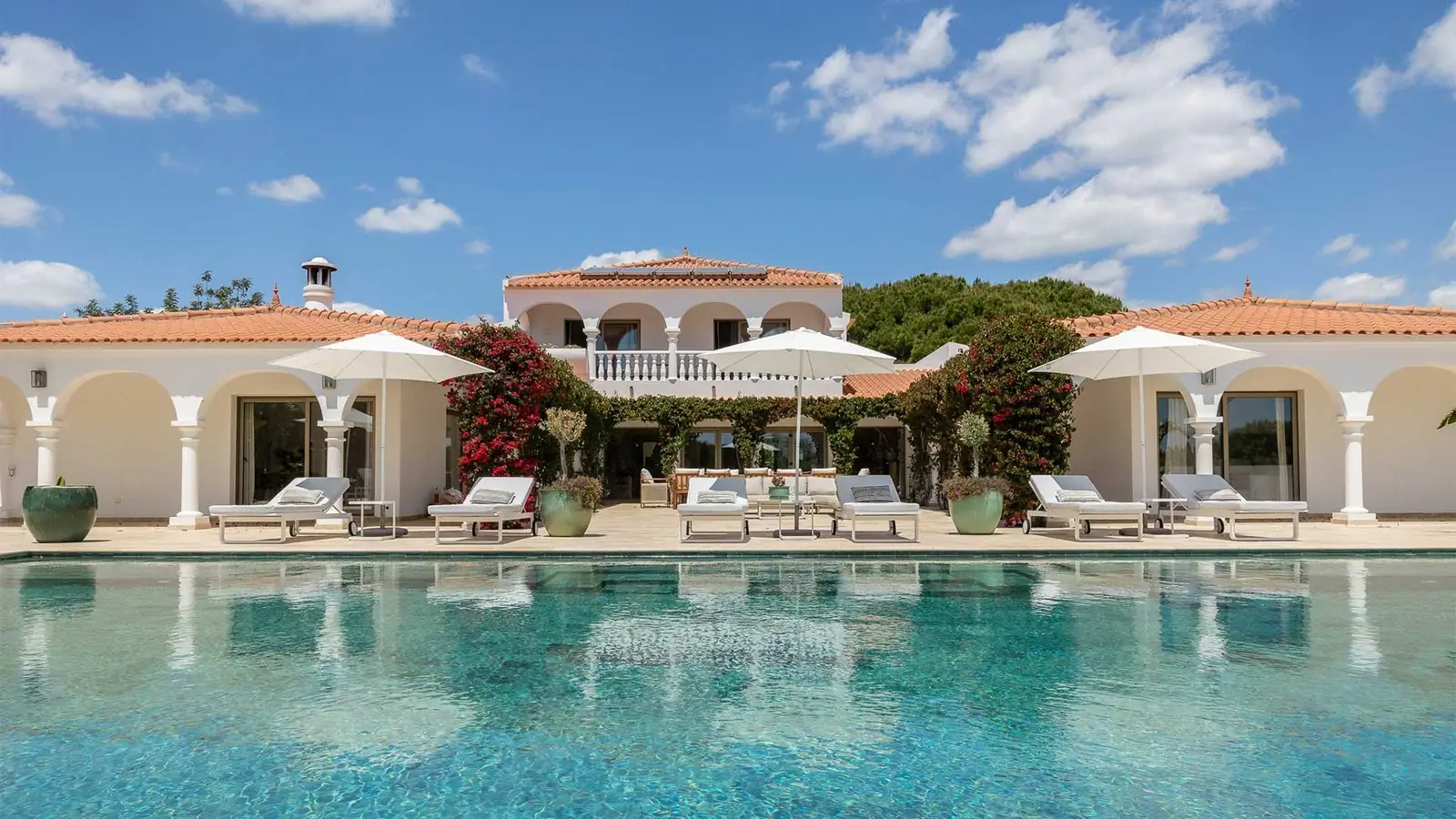
Quinta do Lago, Portugal
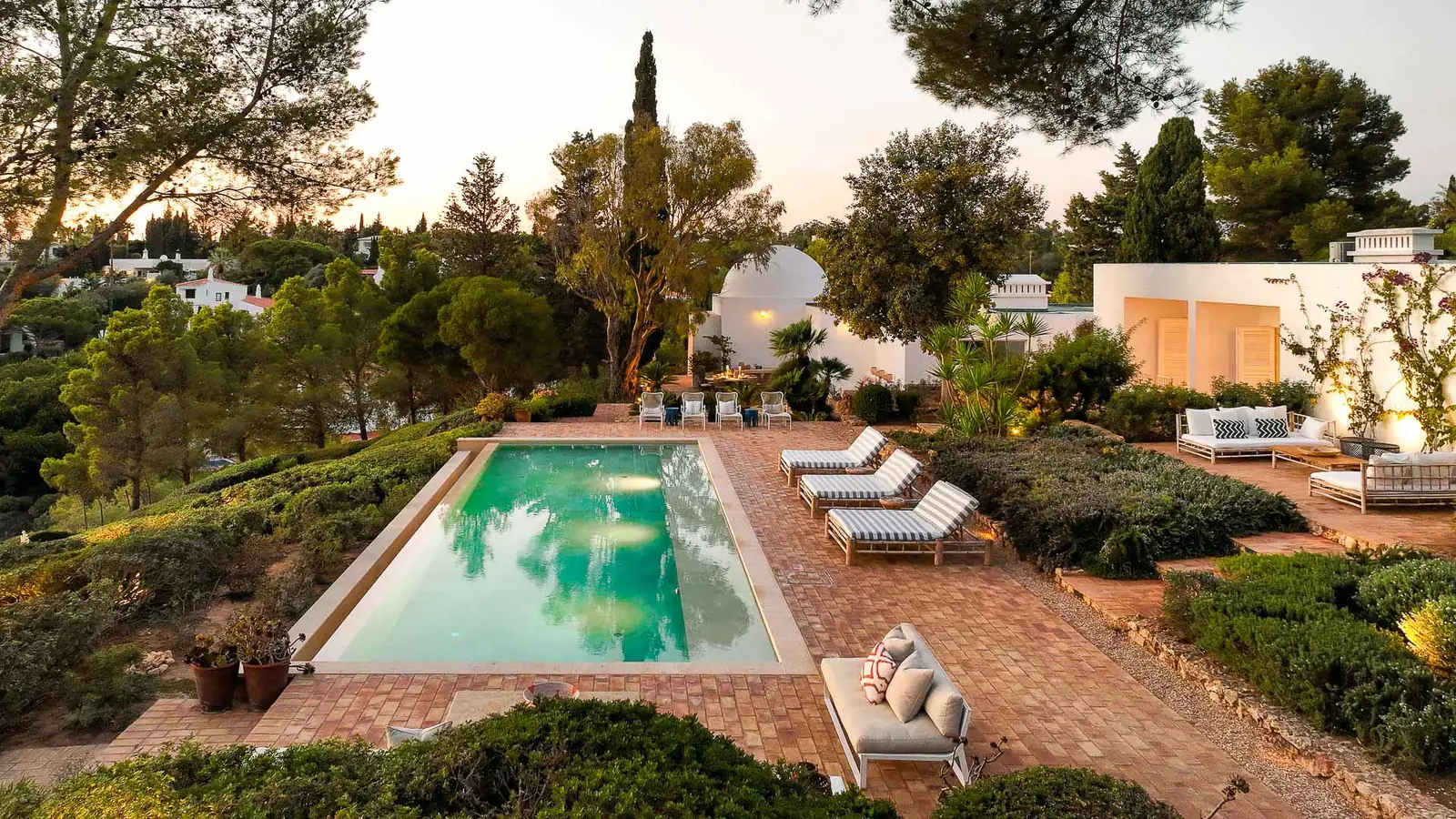
Central Algarve, Portugal
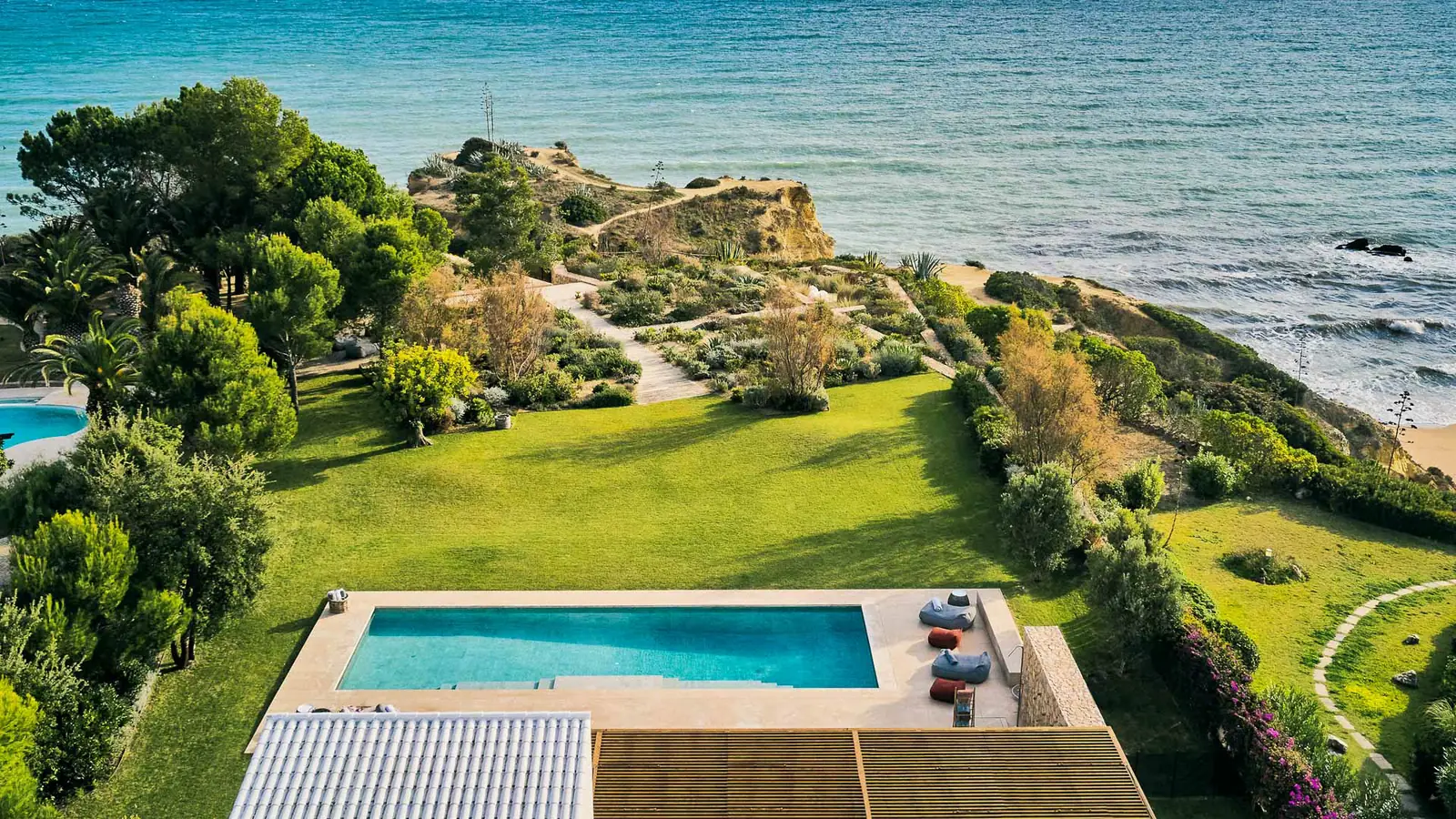
Central Algarve, Portugal
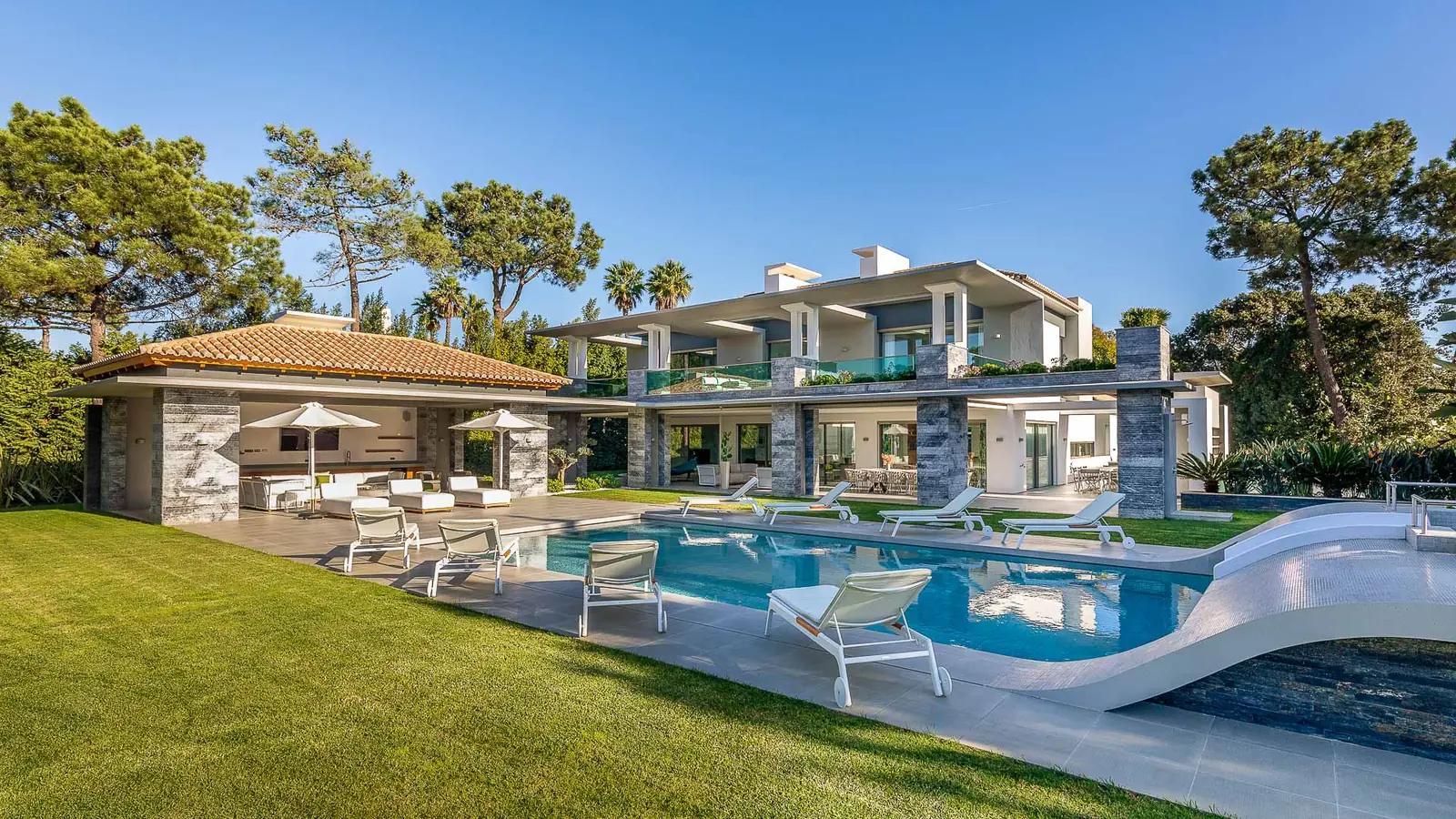
Quinta do Lago, Portugal
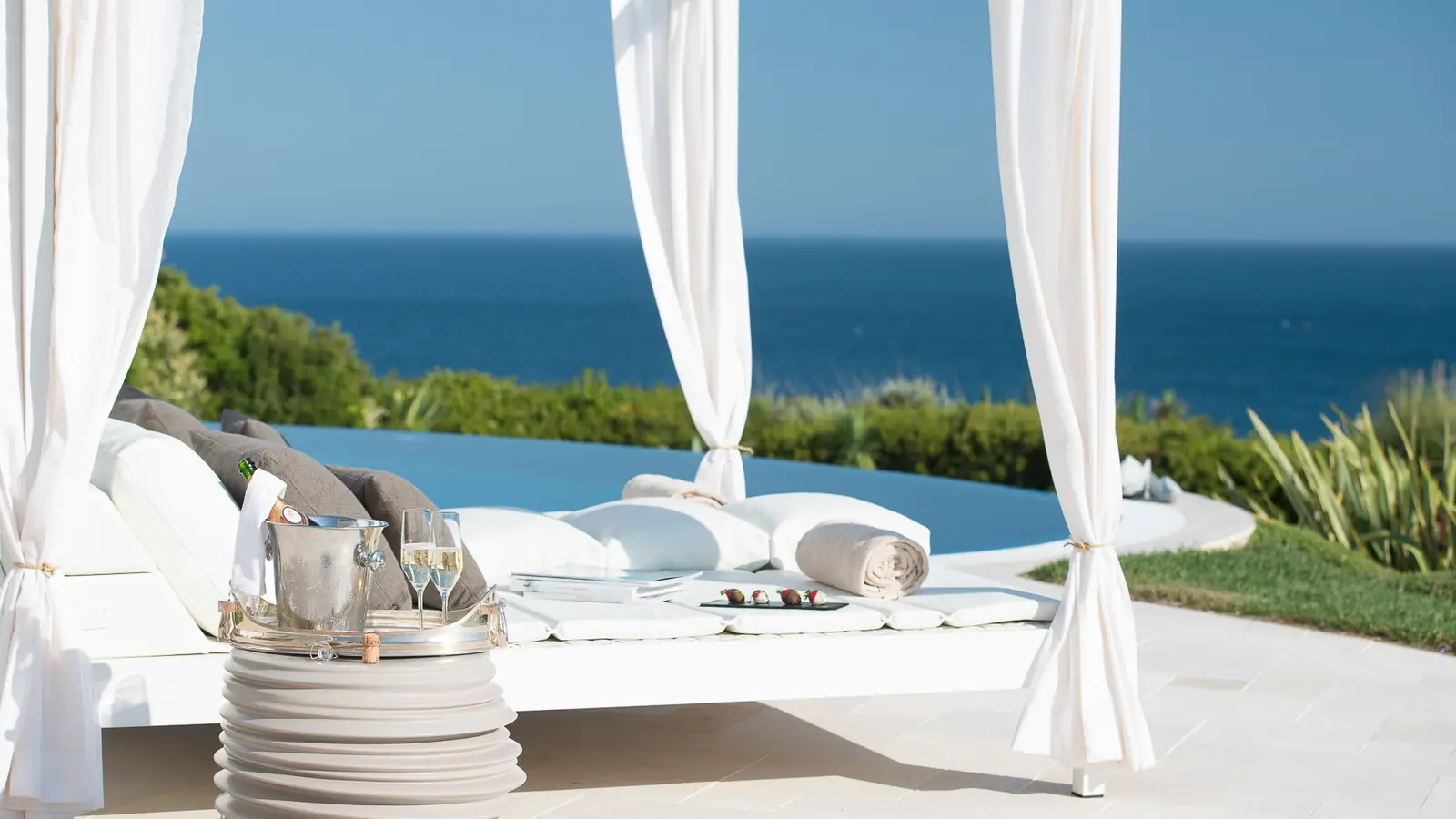
Central Algarve, Portugal
The Algarve is a hundred and fifty kilometres wide and has three distinct coasts, so the first decision is where to base yourself. What follows is our concierge's list for a first visit, organised west to east, with driving times from the central coast.
The south-western tip of Europe: a lighthouse on a cliff sixty metres above the Atlantic, once believed to be the end of the world. Come for the sunset. One hour and fifteen minutes from Albufeira.
The windswept promontory where Henry the Navigator's school of navigation is said to have stood. Surf beaches on both sides: Beliche and Tonel facing the ocean, Martinhal facing the bay.
Two vast Atlantic beaches on the Costa Vicentina, backed by dunes and cliffs, with a surf school on Amado and almost nobody on Bordeira. Ninety minutes from the central coast.
The west's handsome harbour town, with a walled old centre, a working marina and, just south, the golden rock arches and grottoes of Ponta da Piedade — best seen from a kayak at nine in the morning.
The Algarve's most photographed coast: a cathedral-sized sea cave reached by boat or paddleboard, and, next door, Marinha, regularly ranked among Europe's best beaches. Go early — from June to September the caves are busy by ten. Twenty minutes from Albufeira.
Six kilometres of clifftop path between Praia da Marinha and Praia de Vale Centeanes, past sinkholes, arches and empty coves. Two to three hours; carry water.
Six kilometres of sand beneath ochre cliffs between Vilamoura and Albufeira — Tripadvisor's best beach in the world in 2024, and quiet at either end even in August. Fifteen minutes from our Vilamoura and Quinta do Lago homes.
The Moorish capital of the Algarve, with the best-preserved castle in the south, a Gothic cathedral and a riverside old town. Visit in the morning, lunch in town, then the orange groves of the Barrocal.
Sixty kilometres of lagoon, salt marsh and barrier islands between Faro and Cacela Velha: flamingos, chameleons, oyster beds and beaches reached only by boat. Take the ferry from Olhão to Culatra or Armona.
The most beautiful town in the Algarve: a Roman bridge, thirty-seven churches, a castle garden and the Ilha de Tavira beach a short ferry away. Forty minutes from Faro.
The best fish market in the south, in two red-brick halls on the waterfront. Saturday mornings. Buy for the house and let our chef do the rest.
A handful of white houses, a church and a fort above the lagoon, with an oyster bar and a beach you wade to at low tide. The Algarve as it was.
The Algarve's mountain: eucalyptus and chestnut forest, the spa village of Caldas de Monchique and Fóia, the highest point in the south, with views to both coasts. Forty-five minutes from Lagos or Portimão.
Two whitewashed villages in the Barrocal, with springs, almond and carob groves and a Sunday lunch culture that has nothing to do with the coast.
Saturday mornings in the neo-Moorish market hall and the streets around it: fruit, cheese, cured meats, ceramics. Twenty minutes from Quinta do Lago.
May to June and September to October: twenty-two to twenty-eight degrees, a warm sea, and beaches and restaurants without the August crowds. July and August for guaranteed heat. Winter is the mildest in mainland Europe — fifteen to eighteen degrees, golf, hiking and almond blossom in February.
March through May. Highs climb from eighteen to twenty-four degrees, rain is rare after March and the countryside is at its best — almond blossom finishes in February, orange blossom in April, wildflowers on the clifftop trails through May. The sea is still cool at sixteen to eighteen degrees. Easter is busy; May is one of the best months of the year, warm, dry and quiet.
June through August. Hot and dry — twenty-eight to thirty-two degrees, days of unbroken sun and a sea that warms to twenty-two or twenty-three degrees by August. The central coast fills from mid-July; the west stays breezier and emptier, the east quieter still. This is the Algarve of long pool days, evening barbecues and a chef in the kitchen. Book months ahead for July and August.
September through November. September and October are the connoisseur's months: the sea at its warmest, twenty-two to twenty-six degrees in the air, the crowds gone and every restaurant table free. November brings the first rain and softer light, with highs still around twenty degrees. The best golf weather of the year.
December through February. The mildest winter in mainland Europe: fifteen to eighteen degrees, more sun than most of northern Europe sees in June, and the occasional Atlantic front. Not beach weather, but walking, cycling, golf and heated-pool weather. Almond blossom covers the Barrocal from late January. Rates are at their lowest.
Best for first-time visitors
Late May to June, or September to early October. Both give twenty-two to twenty-eight degrees, a swimmable sea and the coast without its August crowds. June has longer days and cooler water; September has the warmest sea of the year and the softest light.
By air
Faro airport is the gateway and sits in the middle of the coast: twenty minutes to Quinta do Lago and Vale do Lobo, thirty to Vilamoura, forty to Albufeira, forty to Tavira, sixty to Lagos and seventy-five to Sagres, all by the A22 motorway. It has direct flights from most European cities year-round. Lisbon airport is an alternative for the west — two and a half hours by the A2 to Lagos.
By train
Comboios de Portugal runs Alfa Pendular and Intercidades trains from Lisbon to Faro in about three hours, and a regional line along the coast from Lagos to Vila Real de Santo António. The train is pleasant for a day trip between towns but not for reaching a villa — the stations are inland and the homes are not.
By car
The A22 motorway runs the length of the region and is electronically tolled; the old N125 runs parallel and slower, through every town. From Lisbon, the A2 crosses the Alentejo to the Algarve in two and a half hours. Hire cars are cheap at Faro; foreign-plated cars should register for the tolls before arrival.
From Spain
Seville is two hours from Tavira and two and a half from Faro across the Guadiana bridge — the Algarve is closer to Andalusia than to Lisbon, and many of our Spanish guests drive.
Getting around
A car is essential: the Algarve is wide, the best beaches are at the end of small roads, and the villages inland have no buses worth the name. Within Quinta do Lago and Vale do Lobo, bicycles and golf buggies do the job. Our concierge arranges transfers, drivers and boats for every home.
Our concierge arranges private transfers from any airport or station to your villa.
The Algarve's cooking is the sea's: sardines and horse mackerel on the grill, cataplana — a clam-shaped copper pot of fish, shellfish and pork — razor clams from the Ria Formosa, oysters from Cacela, and, inland, roast kid, piri-piri chicken from Guia and the almond and fig sweets of the Moors. Below, the places our team sends guests, from harbour tasquinhas to the region's Michelin tables.
Praia dos Caneiros, Ferragudo. A beach restaurant that has served the same grilled fish for forty years, on a cove between two headlands. Reserve for lunch.
Carvoeiro. Two Michelin stars in a whitewashed house a few minutes from the cliffs; the region's most serious table.
Lagos. Above Praia do Camilo, with the rocks of Ponta da Piedade below and the freshest fish in the west.
Olhão. Beside the fish market, on the ria; whatever came off the boats that morning, cooked simply.
Guia. The home of piri-piri chicken since 1964, and still the place to eat it — loud, fast and perfect.
Tavira. Regional produce on a terrace above the roofs of the old town, a short walk from the Roman bridge.
Fish, clams, prawns and often pork, cooked and served in the hinged copper cataplana. The Algarve's national dish.
Grilled sardines on bread, from June to September, when they are fat. Portimão is the sardine capital.
Oysters from the lagoon, eaten on the quay at Cacela Velha or Olhão with a glass of Algarve white.
Almond and fig sweets in Moorish shapes, sold in every pastelaria; dom rodrigo is the one to try.
In the Algarve our experiences are organised by the concierge with local partners we work with every week — boats, guides, chefs and golf courses — and delivered to the same standard as our own team's in the north.
A private boat or a guided kayak from Benagil or Carvoeiro into the sea caves before the crowds arrive.
Our concierge can arrange.
A market-fresh dinner cooked in your kitchen — cataplana, grilled fish, Algarve sweets — by a chef the concierge books for you.
Our concierge can arrange.
Tee times, transfers and club hire on the Algarve's championship courses, minutes from our homes.
Our concierge can arrange.
A private launch from Olhão or Faro through the lagoon to the barrier islands, with lunch on Culatra.
Our concierge can arrange.
Beginner and improver lessons on Amado or Arrifana with a school that has taught the west coast for decades.
Our concierge can arrange.
Quinta dos Vales and the new wave of Algarve estates around Lagoa and Silves, with the winemaker.
Our concierge can arrange.
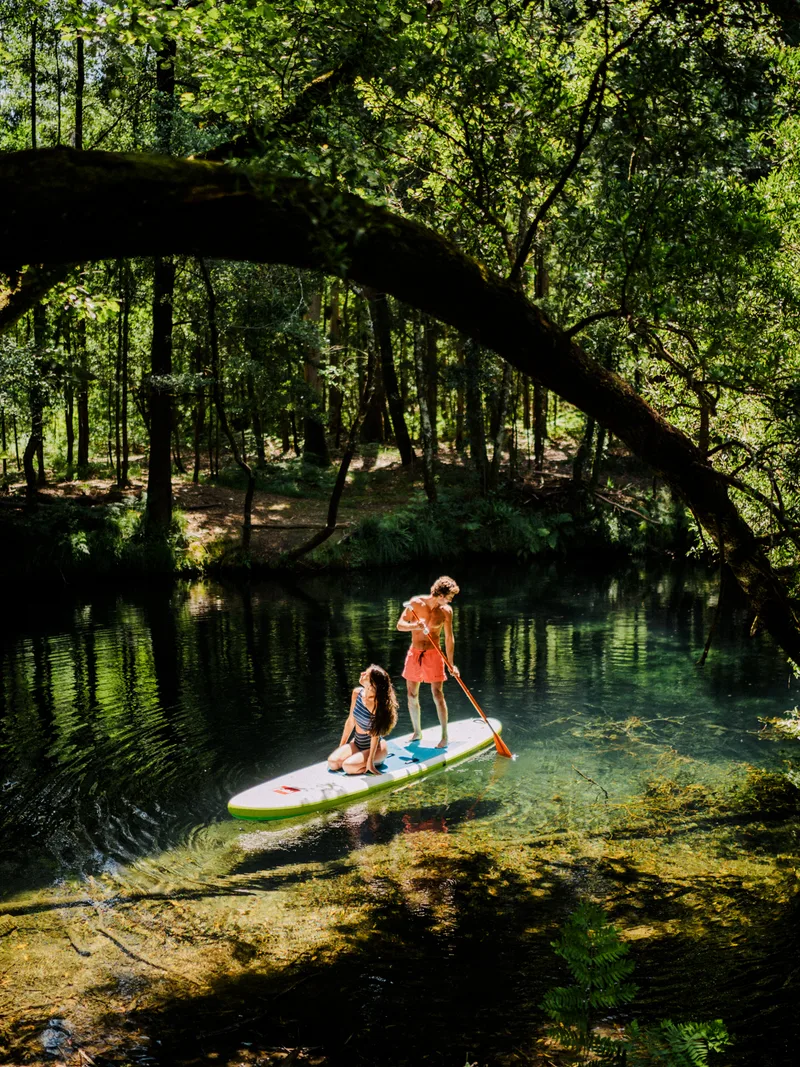
Sunrise sessions on the Lima River, sunset paddles along the Atlantic coast, or a tranquil morning on a hidden lagoon.
from €45
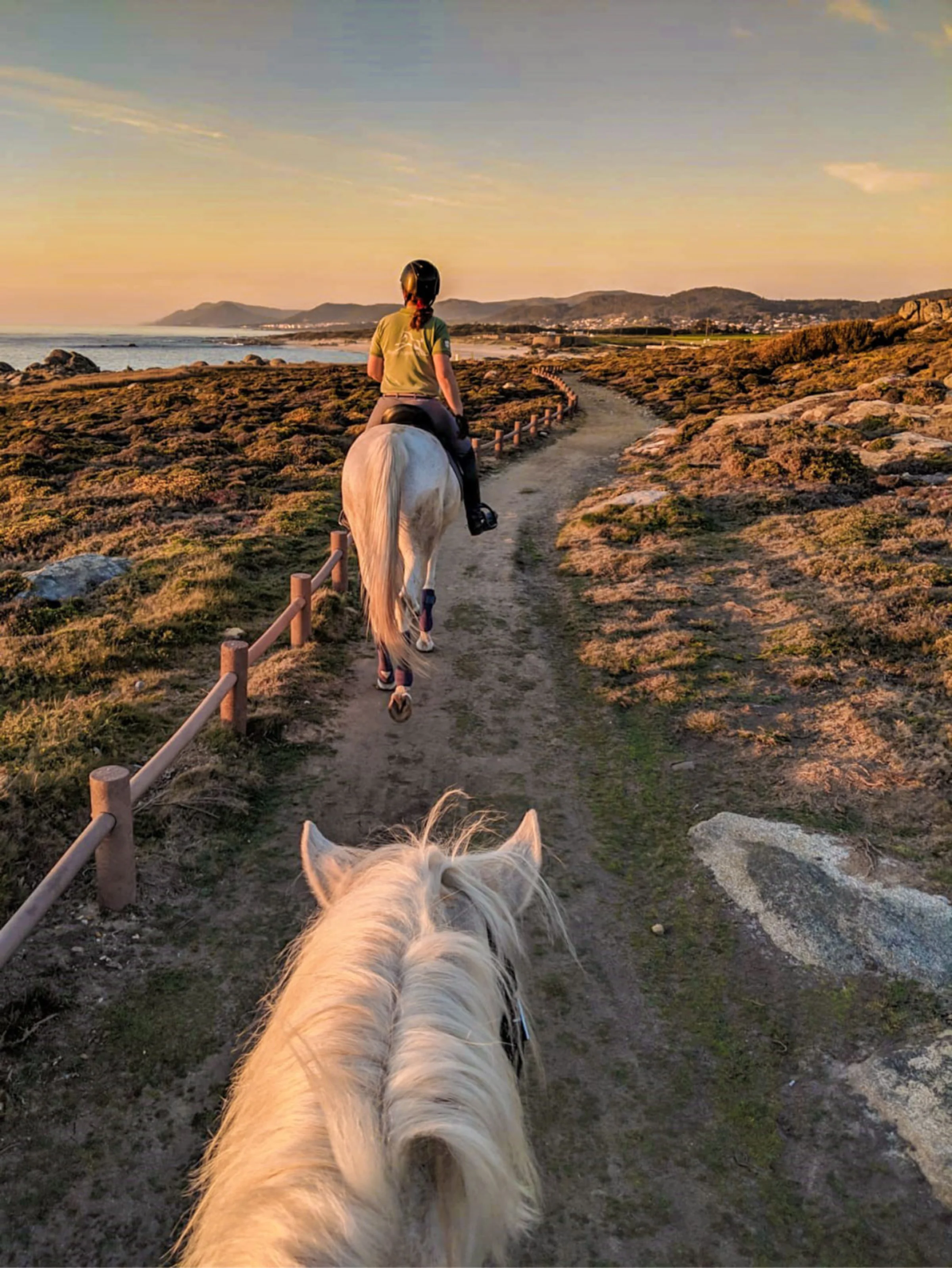
Ride along deserted beaches, through pine forests, and over coastal dunes. Suitable for beginners and experienced riders.
from €75
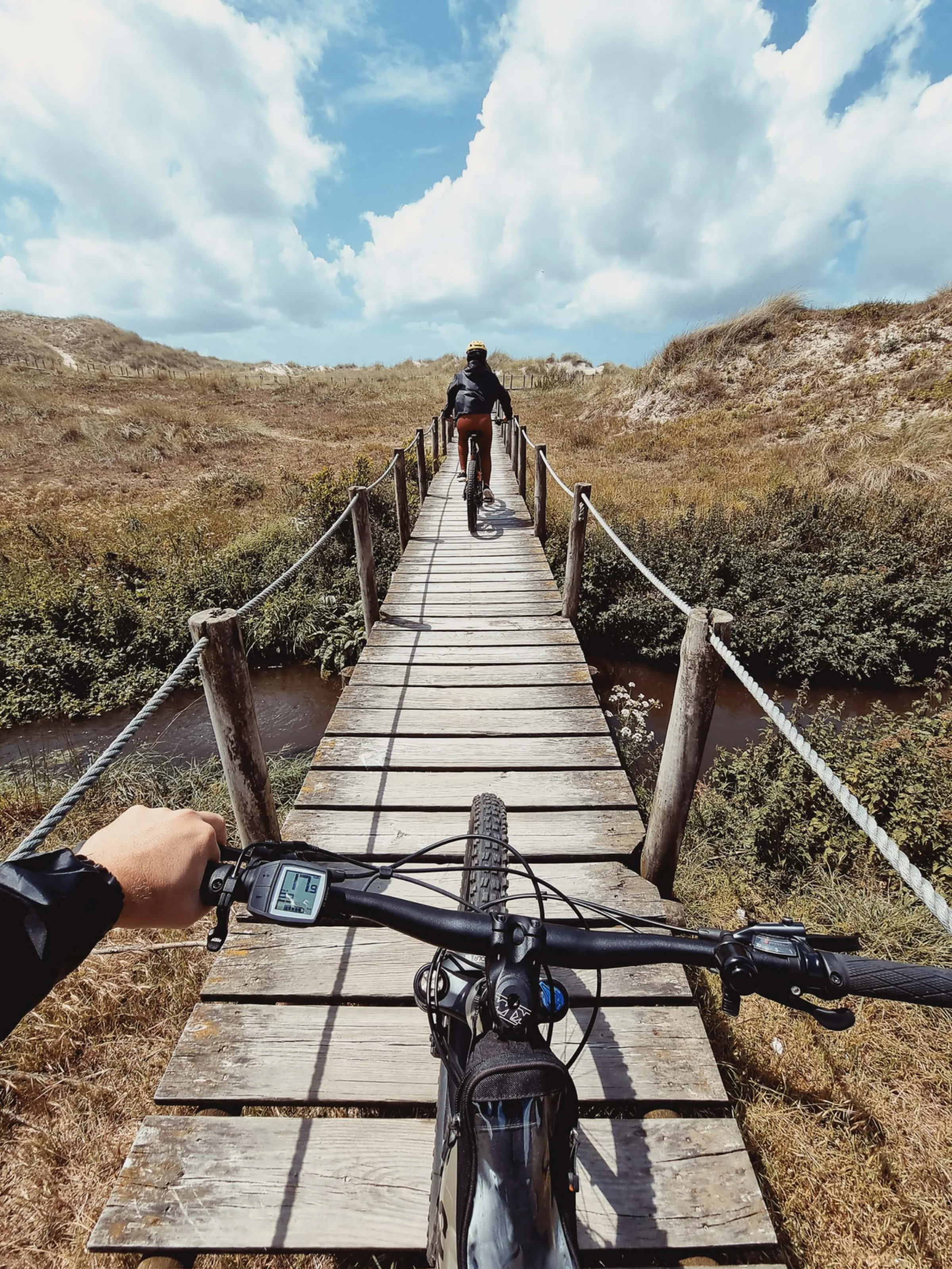
Explore coastal trails, beach dunes, and mountain paths on electric or fat-tire bikes. Guided by locals.
from €55
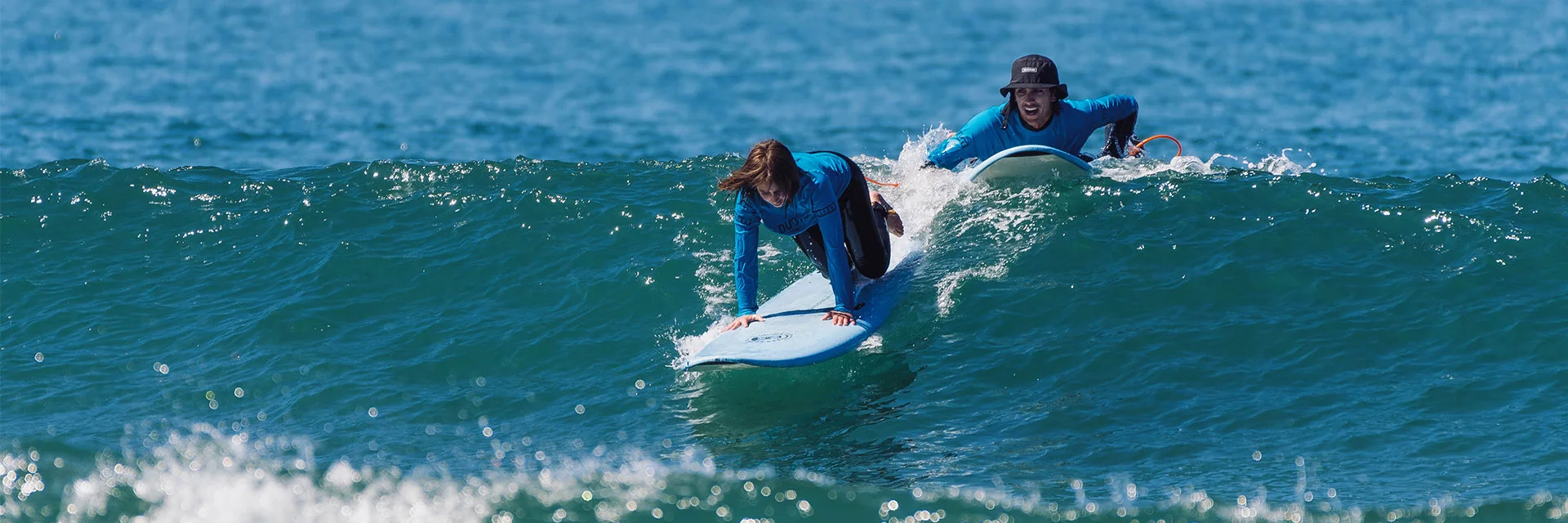
Learn to surf on Portugal's best Atlantic waves. Private or small-group lessons with certified instructors.
from €60
The Algarve's year runs from spring blossom to summer festivals to a long, mild off-season. The dates below matter most for planning; August needs booking months ahead regardless.
Late June, Loulé
World music in the old town's streets and squares — three nights, dozens of stages, the region's best festival.
Mid-August, Olhão
A week of seafood on the waterfront, the ria's biggest party.
August, Portimão
Grilled sardines by the ton on the riverfront, with concerts every night.
August, Silves and Castro Marim
The two castle towns turn back their clocks: markets, jousting, music and a lot of roast meat.
Late January to February, the Barrocal
The hills between Loulé and Tavira turn white for three weeks — the Algarve's quiet, beautiful winter secret.
February
The oldest carnival parade in Portugal, on the streets of Loulé.
The Algarve is one of the most written-about coasts in Europe. The quotes below are the ones that describe the region we know.
“Praia da Falésia — the best beach in the world.”
“Europe's Leading Beach Destination.”
“The Costa Vicentina is the wild, unspoilt side of the Algarve most visitors never see.”
“Tavira is the Algarve's most beautiful town.”
For travellers
See every home we operate in Algarve — with concierge, daily housekeeping, and private chef on call.
See all villasFor owners
Portugal Active operates premium villas across the Algarve — from Quinta do Lago to the west coast — with full-service management, marketing, concierge and maintenance to hotel standards.
Speak to our team