Back to Journal
guides
Team building with accommodation: how to compare the complete proposal
September 16, 20264 min read

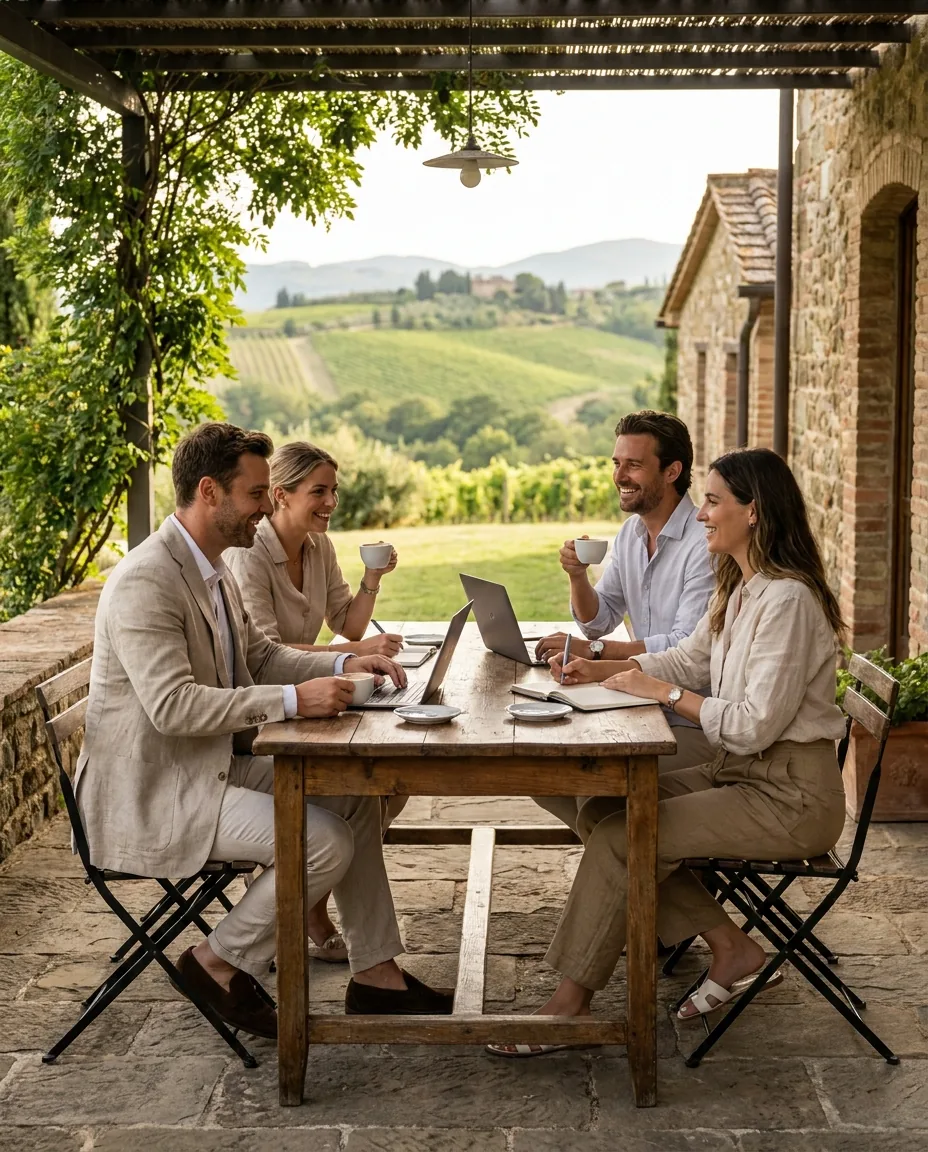
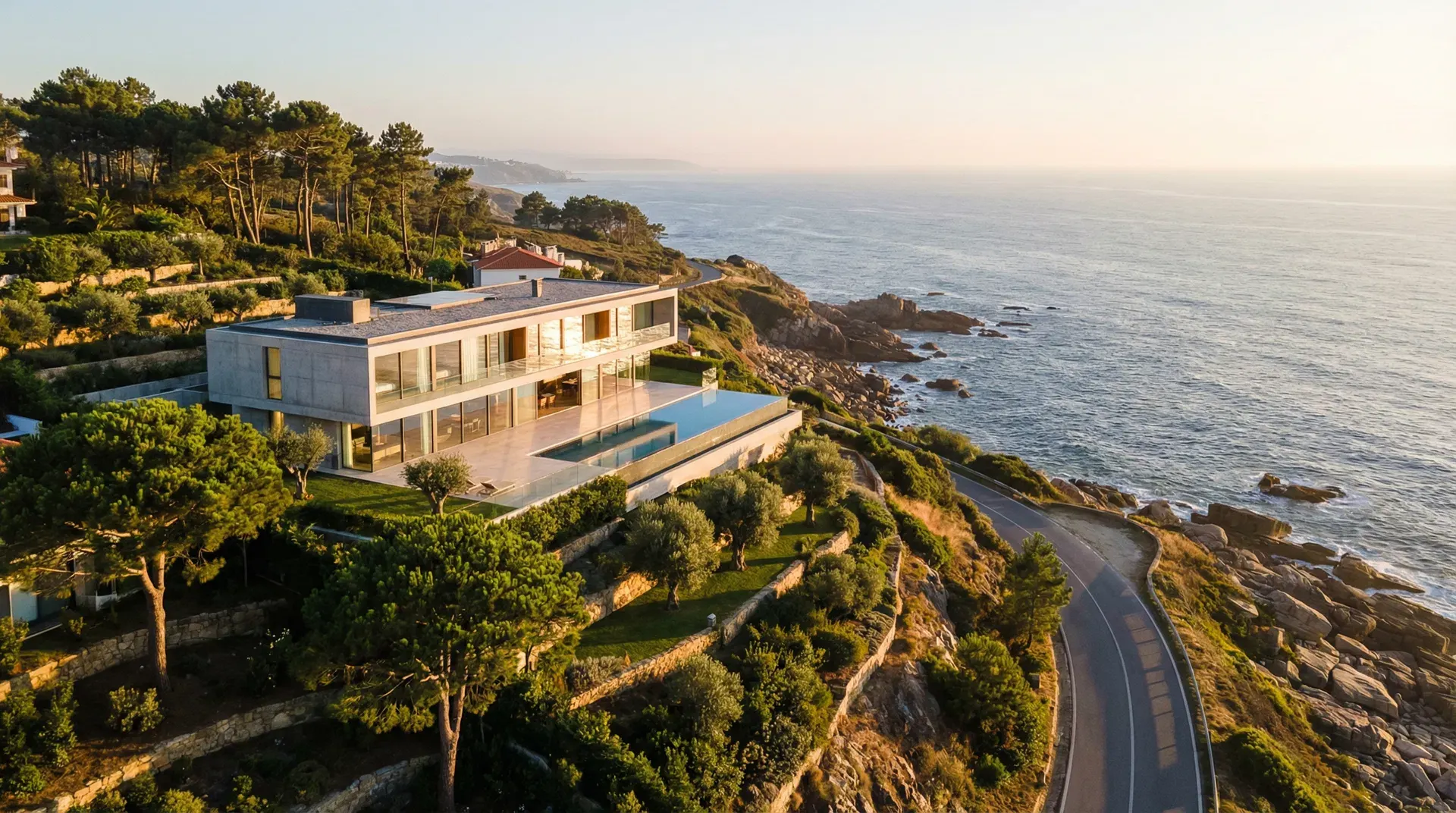
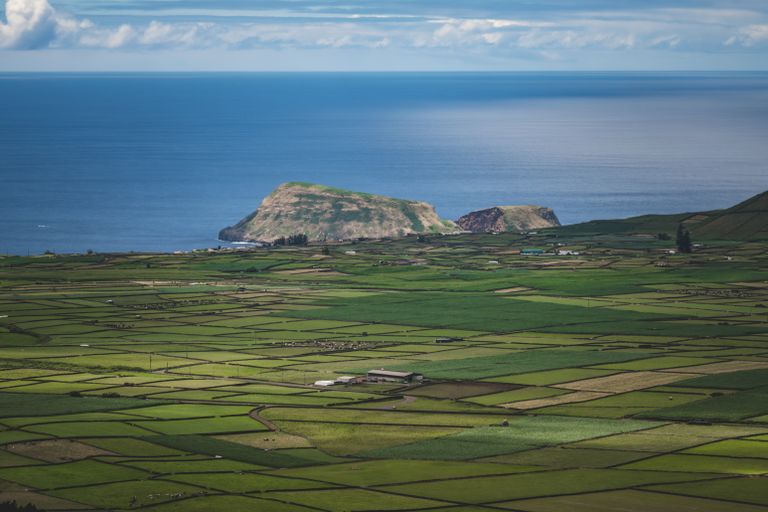
Illustrative image from the Portugal Active collection. Venue and programme are agreed for each enquiry.
At a glance
Start by comparing the same dates, headcount and bedroom arrangements. Then check what each proposal includes for accommodation, meals, activities, workspace and transport. A per-person price only becomes meaningful when those details match.
Define the purpose before requesting quotes. Welcoming new colleagues, bringing a remote team together, celebrating a milestone and working through a specific challenge may call for different programmes.
What an itemised proposal should explain
| Item | What to confirm |
|---|---|
| Accommodation | Nights, rooms and beds; planned room sharing; preparation and cleaning; check-in and check-out times. |
| Workspace | Capacity in your requested layout, internet, equipment, privacy and hours of use. |
| Meals | Which meals and drinks are included; dietary options; service and any kitchen or supplier charges. |
| Activity | Duration, location, facilitator or guide, equipment, participation requirements and a wet-weather alternative. |
| Transport | Routes, timings, passenger and luggage capacity, including journeys during the programme. |
| Terms | The total with taxes and mandatory charges identified, payment schedule, cancellation terms and quote validity. |
Keep optional costs visible and check any security-deposit conditions. If a deposit applies to the stay, the concierge should explain the arrangements before arrival.
Separate fixed costs from costs per participant
An exclusive-use property's accommodation cost may not fall in proportion when fewer people attend. Catering or activities may be priced per person while still carrying a minimum charge. The proposal should make those differences clear.
To compare per-person costs, divide the confirmed programme total by the number of paying participants. Repeat the calculation for a smaller group, allowing for minimum charges and change conditions. Do not fold optional extras into the required price, or remove necessary services simply to produce a lower headline figure.
A bed is not a private bedroom
Guest capacity may include double beds, single beds or other arrangements. Ask for the actual room plan. Two venues sleeping the same number of people can offer very different levels of privacy.
Check dining seats, workspaces and bathrooms separately. Share any presentation or workshop layout before choosing the venue. Permission for business gatherings and external visitors should also be explicit.
Choose an activity the team can take part in
Consider physical effort, duration, interests, accessibility and the option to sit an activity out. Strong photographs alone do not establish whether a programme suits your group.
Request a lower-intensity alternative and a plan for unsuitable weather. Ask whether the alternative replaces the original activity at the same price or changes the budget. An optional activity should not require someone to disclose a personal condition publicly in order to decline it.
Count the time available, not just the activities
An overnight stay gives conversations room to continue beyond a structured session. Transfers and changes of venue can also consume much of that time. Sketch the complete journey, including arrival, check-in, meals and check-out.
If the retreat includes work, protect uninterrupted sessions. If the aim is to help colleagues connect, leave breaks that are genuinely breaks. A useful programme serves the purpose of the meeting rather than trying to fit in every possible activity.
Requesting a proposal from Portugal Active
Send the headcount, preferred and alternative dates, number of nights, bedroom needs, activity objective and overall budget. State whether you need a workspace, meals and coordinated transport.
Request a team-building proposal with accommodation. The team can assess suitable properties and services for your group. Capacity, permitted use and availability are confirmed for each enquiry.
Explore company retreats and the Minho to begin planning. Browsing homes helps you understand the accommodation offer; confirming an event requires a separate assessment of the intended use.
P
Portugal Active
Journal
Discover the homes behind the stories.
Corporate retreats and team building in Portugal
Tell us your dates, group size, budget and what the team needs from this time together.