Back to Journal
Destinations
The Algarve Beyond the Resorts: A Local's Guide to Southern Portugal's Quieter Side
March 30, 20269 min read
At a glance
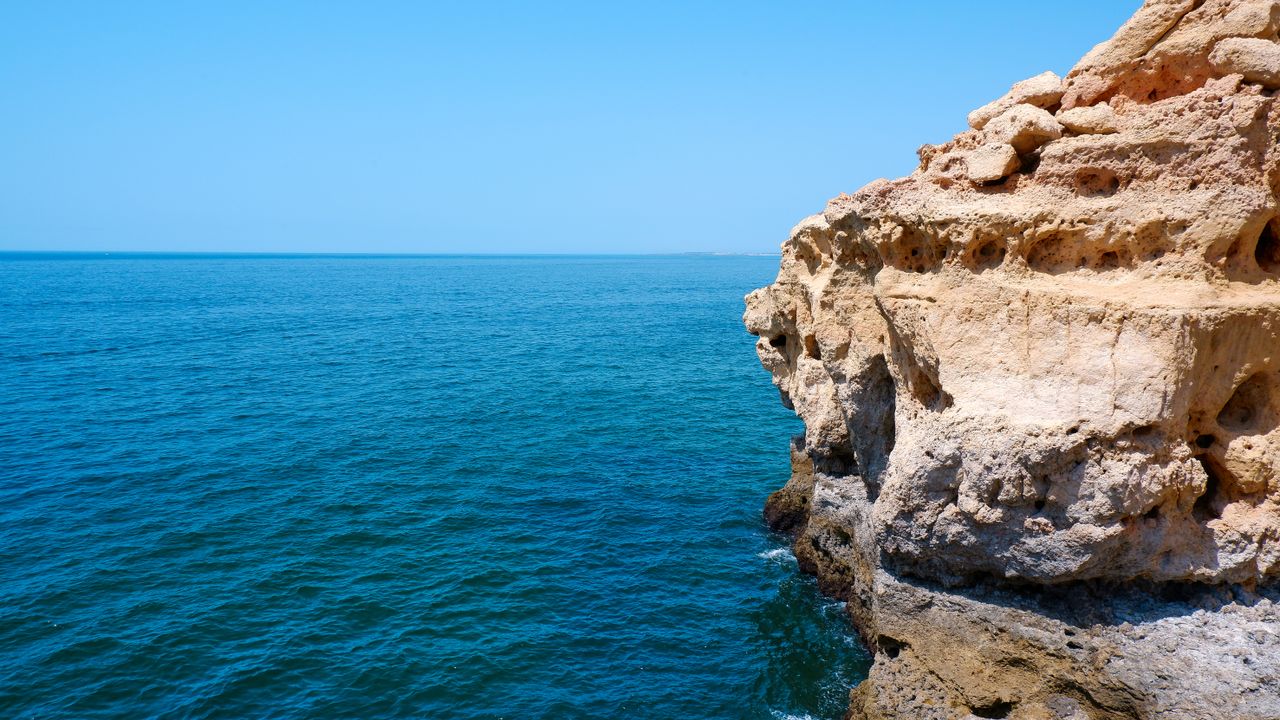
Discover the Algarve the tourists miss: wild west coast, hilltop Silves, Monchique mountains, and local seafood. Your guide beyond the resort strip.
Mention the Algarve to anyone who has visited Portugal and you will get one of two reactions. Either their eyes light up with memories of golden cliffs and warm water, or they grimace at the thought of resort strips, golf developments, and British pubs serving full English breakfasts.
Both reactions describe the same region. But they describe different parts of it. And the part most visitors never see is the one worth crossing a continent for.
The problem with "the Algarve"
The central Algarve, from Albufeira to Vilamoura, has been developed for mass tourism since the 1960s. It does what it does well: beach resorts, golf, and reliable sunshine 300 days a year. There is nothing wrong with this, but it has created a perception that the Algarve is a monoculture of sunbeds and all inclusive drinks.
The reality is that the Algarve stretches over 150 kilometres of coastline and reaches 50 kilometres inland. The western end is wild, undeveloped, and protected by natural park status. The interior hides Moorish castles, mountain villages, and cork oak forests. The eastern end fades into salt marshes, lagoons, and fishing communities that live exactly as they did a generation ago.
This is the Algarve we want to show you.
The west coast: Europe's last wild shoreline
West of Lagos, the Algarve changes character dramatically. The Costa Vicentina runs from Sagres to the border of the Alentejo, and nearly the entire stretch is protected as a natural park. Development is minimal. Hotels are few. The beaches are reached by dirt roads and cliff paths.
Praia da Arrifana near Aljezur is the jewel. A crescent of sand enclosed by towering cliffs, with excellent surf and a beach restaurant that grills fresh fish on a terrace above the waves. The village of Arrifana above the beach has a handful of cafes and the relaxed energy of a surf community that prefers it stays small.
Praia da Bordeira is vast. One of the largest beaches in the Algarve, backed by dunes and a river mouth where children can swim safely in warm, shallow water while the Atlantic breaks further out. In winter, the beach is deserted. In summer, it is merely uncrowded.
Sagres sits at the southwestern tip of continental Europe. The fort, perched on cliffs above violent Atlantic waves, has a symbolic power that photographs cannot capture. This was where Prince Henry the Navigator planned the voyages that opened the world. The wind here is constant, the light is extraordinary, and the sunset is the last in Europe.
Aljezur is the town that ties the west coast together. A small, whitewashed settlement split between a castle hilltop and a modern lower town. The Saturday market brings in producers from the surrounding countryside. The surf shops and vegetarian cafes reflect the community of surfers and creative professionals who have made this stretch of coast their home.
Silves: the forgotten capital
An hour north of the coast, Silves sits on a hillside above the Arade river. Most visitors to the Algarve never come here. Their loss.
Silves was the capital of the Moorish Algarve, and the massive red sandstone castle that crowns the town is the best preserved Moorish fortress in Portugal. Walking its walls, you look down on orange groves, the slow river, and a town that moves at a pace the coast forgot.
The town itself is small enough to explore in a morning. The cathedral (built on the site of the main mosque after the Christian reconquest) mixes Gothic and Moorish elements. The market sells citrus fruits, figs, almonds, and the carob products that are an Algarve speciality. Lunch at one of the riverside restaurants, with grilled chicken and a glass of Algarve wine, costs a fraction of what you would pay on the coast.
The drive from Silves into the hills leads to scattered villages, cork oak forests, and a landscape that feels more like rural Andalusia than the beach Algarve.
Monchique: mountains in a beach region
The Serra de Monchique rises to 902 metres behind the coast, and the change in climate and landscape is startling. Within twenty minutes of leaving a beach, you are in a green, wooded mountain range with chestnut trees, eucalyptus forests, and springs that have attracted visitors since Roman times.
The town of Monchique is compact and charming. A weekly market, a handful of restaurants serving mountain cuisine (think slow cooked pork, wild boar, and chestnut desserts), and streets steep enough to count as exercise.
Caldas de Monchique is a tiny spa village in a wooded valley below the main town. The thermal waters have been used for healing since at least the Roman era. The restored spa complex offers treatments in a setting that feels a century removed from the coastal bustle.
Foia, the highest point in the Algarve at 902 metres, provides views across the entire region on clear days. You can see both the south coast and the west coast, the mountains of the Alentejo to the north, and on very clear days, the outline of Morocco across the Strait of Gibraltar.
For hikers, the Via Algarviana long distance trail passes through the Serra de Monchique, offering multi day walks through some of the most beautiful and least visited terrain in southern Portugal.
The eastern Algarve: salt, lagoons, and time
East of Faro, the Algarve becomes something else again. The Ria Formosa lagoon system stretches for 60 kilometres along the coast, creating a network of barrier islands, salt marshes, and tidal flats that shelter an extraordinary diversity of birdlife.
Tavira is the star of the eastern Algarve. A graceful town of churches, whitewashed houses, and a Roman bridge spanning the Gilao river. The beaches here are on barrier islands reached by boat, which keeps them quieter than their western counterparts. Tavira feels like the Algarve before the resorts arrived.
Olhao is a working fishing town with a waterfront market that rivals any in Portugal. The cubist architecture (flat roofed, whitewashed buildings that reflect North African influence) gives it a distinct visual character. Ferries from Olhao reach the Ria Formosa islands in minutes.
Cacela Velha might be the most photogenic village in the Algarve. A tiny clifftop settlement overlooking the lagoon and ocean, with a church, a fortress, and a handful of houses. The beach below is accessed by a tidal walk across the sandflats. Arrive at the right time and you have a beach with almost nobody on it.
The food: beyond grilled fish
Algarve cuisine is richer and more varied than its reputation for grilled sardines suggests.
Cataplana. The defining dish of the region. A copper clam shaped pot is sealed and heated, steaming seafood (clams, prawns, monkfish, chourico) in a broth of wine, garlic, and tomato. The moment the pot opens at the table, releasing a cloud of aromatic steam, is one of the great moments in Portuguese dining.
Dom Rodrigo and Morgados. The Algarve has a rich tradition of almond and egg yolk sweets inherited from the Moorish period. These are not tourist souvenirs. They are serious confectionery, and the best are handmade by small producers in Silves and Loule.
Algarve wines. Yes, the Algarve makes wine, and the quality has improved dramatically. The Negra Mole grape produces distinctive reds, and several producers in Lagos, Silves, and Lagoa are worth visiting. The wines pair beautifully with the local cuisine.
Percebes (goose barnacles). Harvested from the wave battered rocks of the Costa Vicentina at considerable personal risk, these strange looking crustaceans are one of Portugal's most prized (and expensive) delicacies. Simply boiled in seawater and eaten with your hands.
Where to stay: our Algarve collection
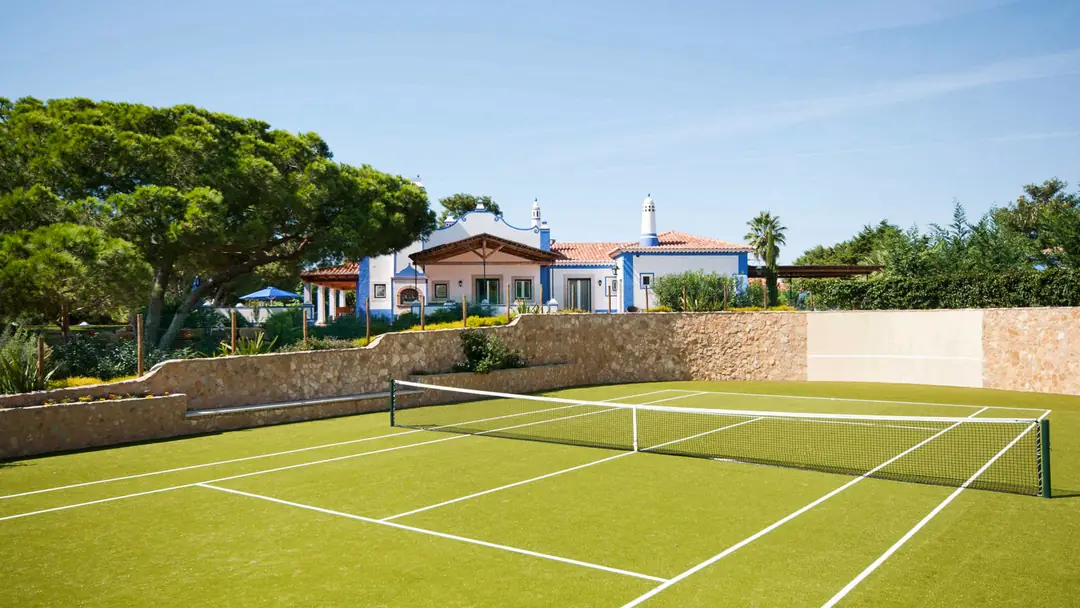
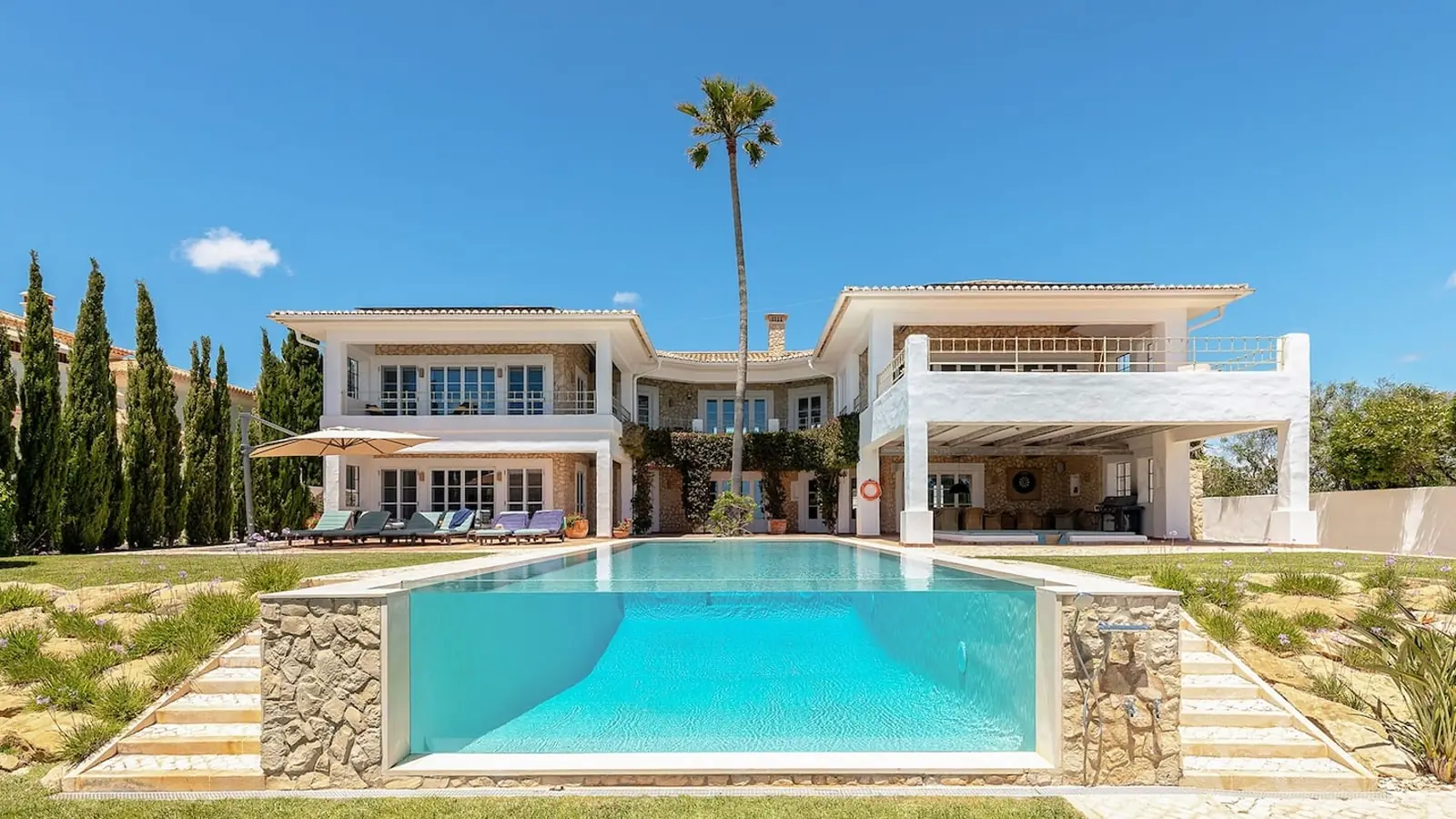
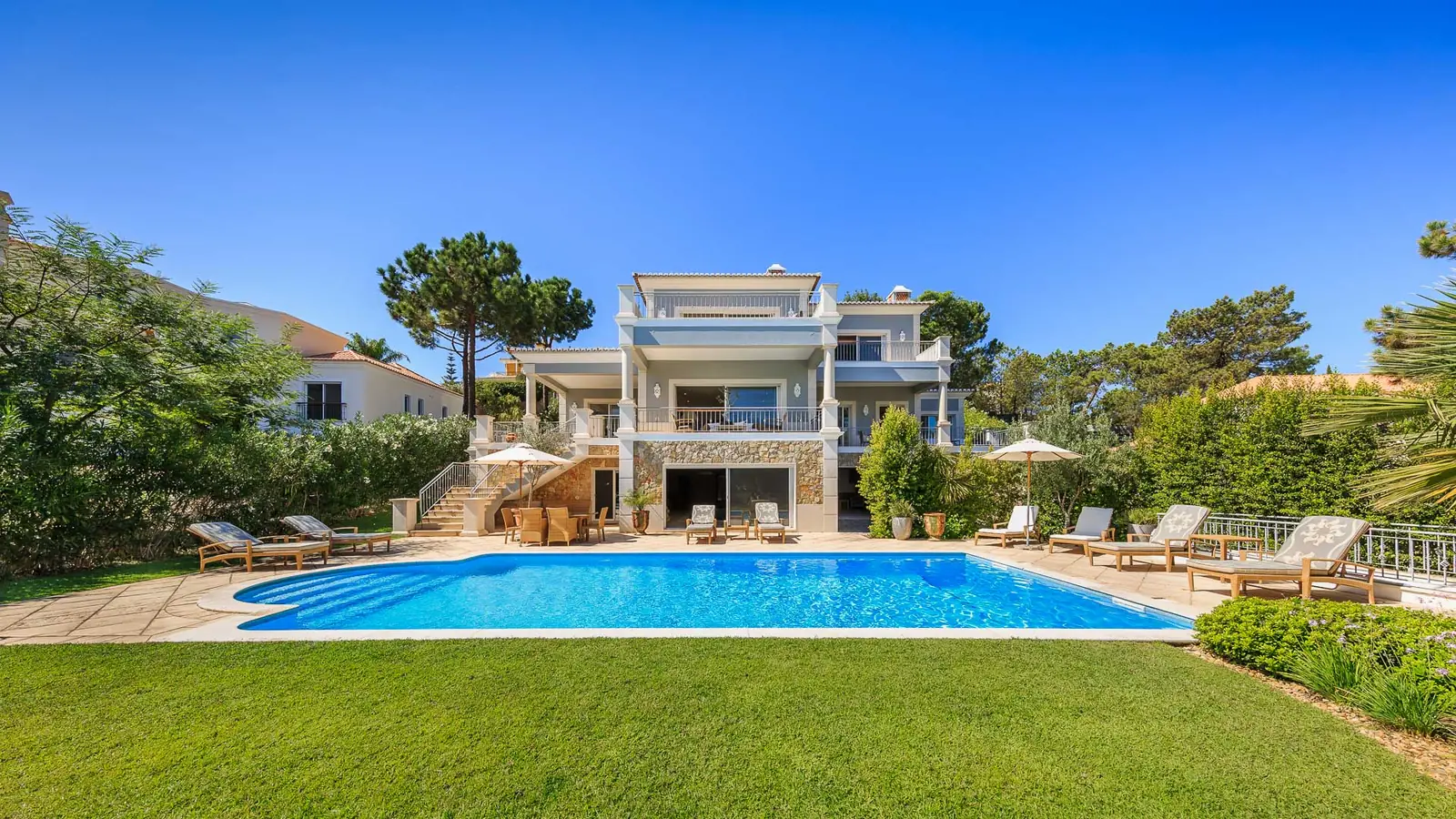
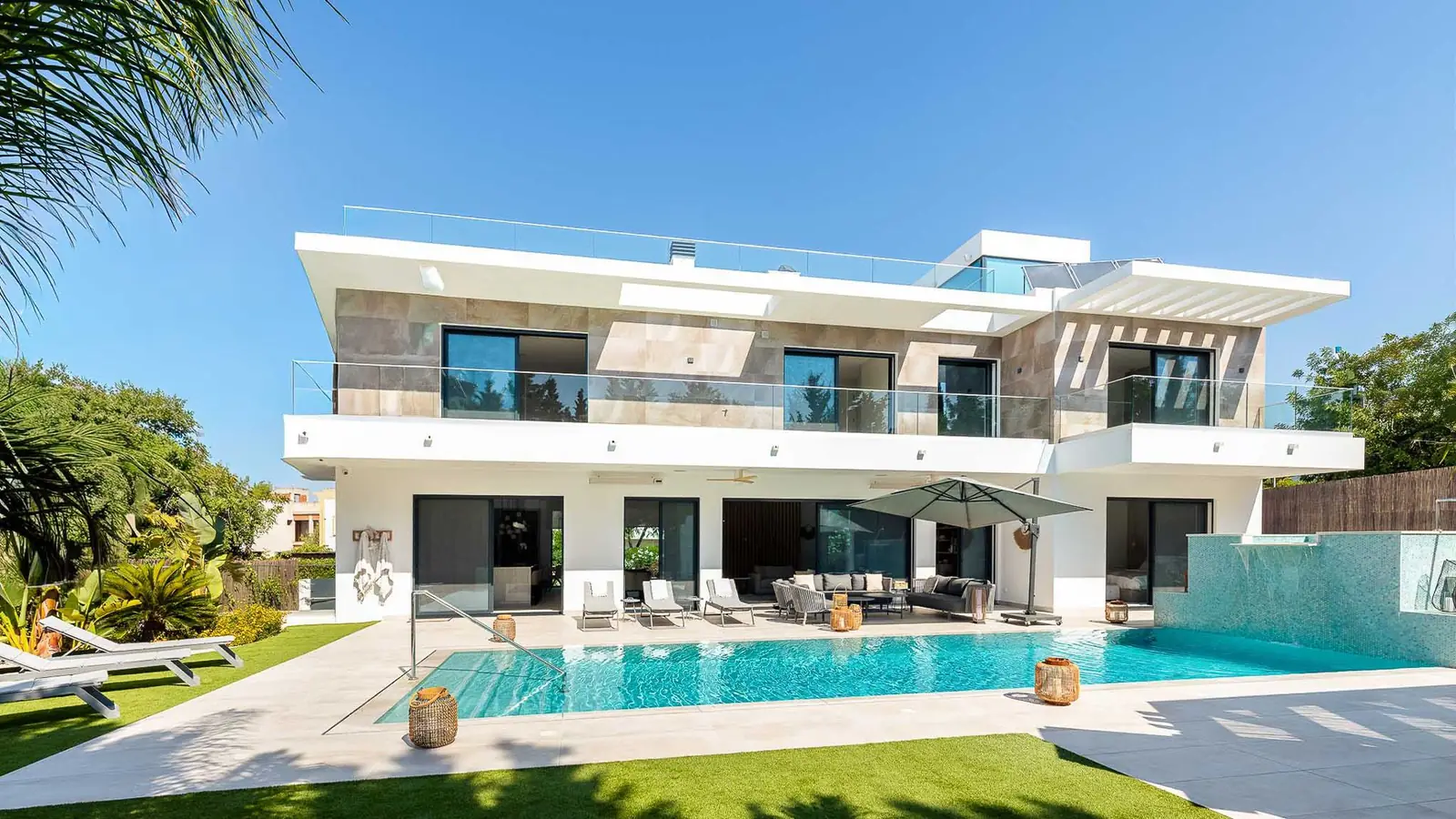
Our presence in the Algarve is growing. Each property follows the same operating standard we apply everywhere: in-house team, concierge support, hotel-grade service in a private home.
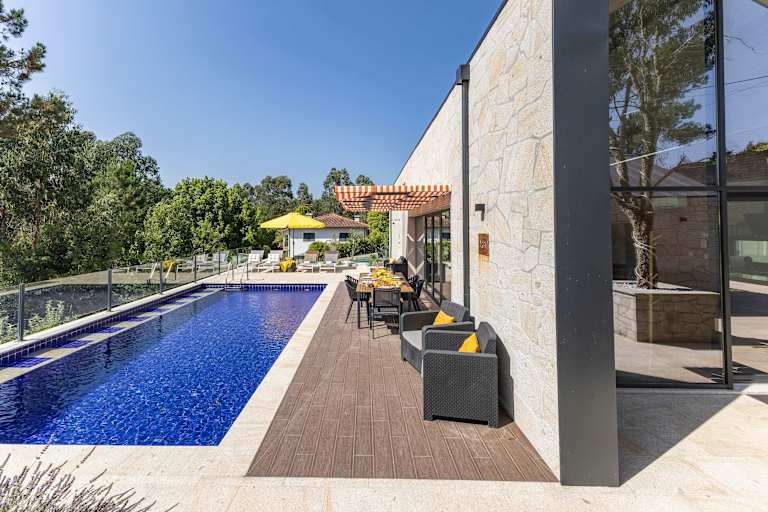
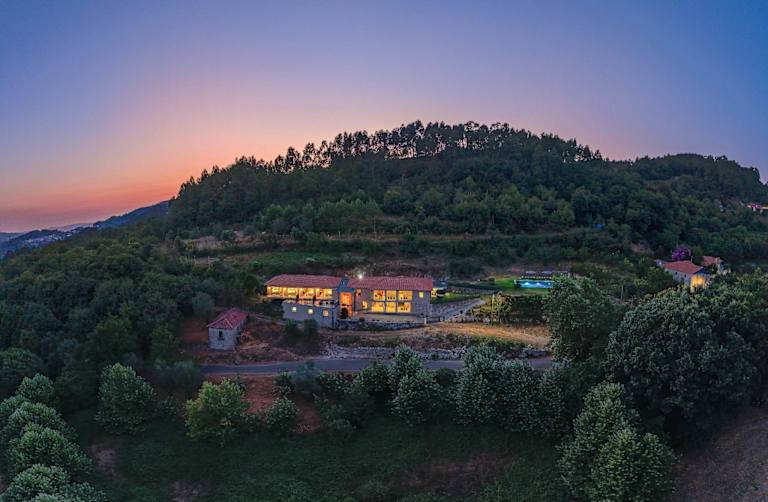
Browse our Algarve homes. Whether you choose a villa with pool near the golden coast or a rural estate in the hills behind, the service level is identical.
For guests choosing between north and south, we have written a detailed comparison: Minho vs Algarve: Which Region Should You Choose?
Getting here
Faro Airport (FAO) is the gateway. Direct flights from most European capitals. From Faro, the western Algarve is 60 to 90 minutes by car. The eastern Algarve is 20 to 40 minutes.
Lisbon is about 2 hours 30 minutes by car on the A2 motorway. The train takes a similar time.
We arrange private transfers from Faro Airport to any of our properties.
The Algarve that waits
The resort Algarve is not going away, and it serves its purpose. But running parallel to it, sometimes just ten minutes inland or west, is a region of extraordinary beauty, depth, and authenticity.
The west coast is wild. The interior is green and quiet. The east is graceful. The food is honest and the wine is getting better every year. And the light. The light in the Algarve is famously extraordinary, golden and warm and the reason artists have been coming here for generations.
For travellers who want sunshine without the conveyor belt, the Algarve is not a compromise. It is a discovery.
P
Portugal Active Team
Editorial Team
Discover the homes behind the stories.
Ready to experience Portugal?
Every article is inspired by real places, real experiences, and real guests. Explore our collection and start planning your stay.
Stay nearby
Homes we manage in this part of the country.